Introduction to Memorial Diamonds Popularity
Every family experiences grief differently. For some, the traditional path involves regular visits to a gravesite. Others prefer keeping an urn in a prominent place at home. However, in 2026, more families are turning their loved one’s remains into a permanent, wearable heirloom. Specifically, memorial diamonds popularity has surged because these gems provide a tangible connection to those who have passed.
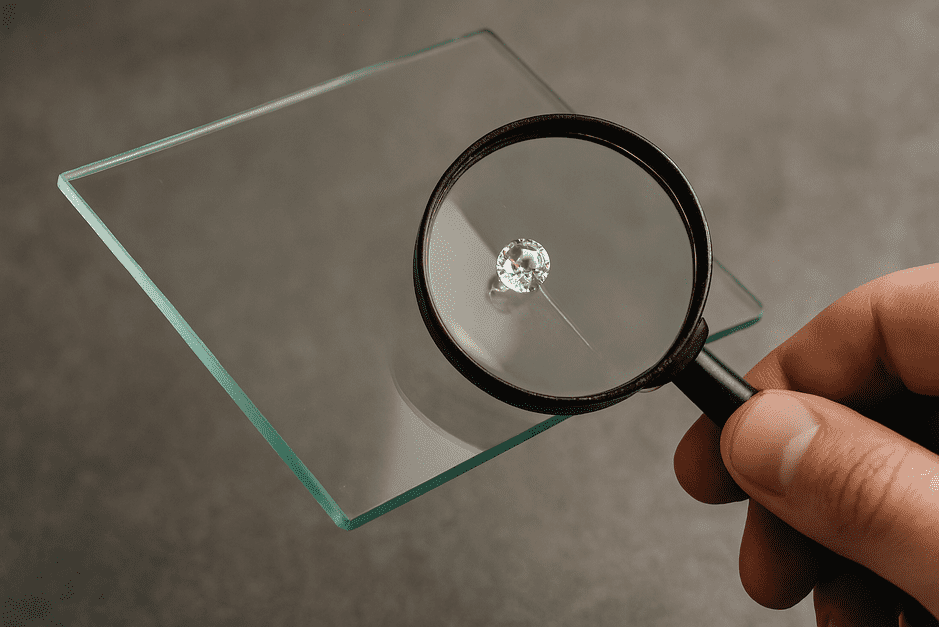
A memorial diamond, often called a cremation diamond, is a genuine laboratory-grown diamond. Scientists create it by extracting carbon from hair, fur, or cremated ashes. Consequently, the finished gemstone carries an immense personal weight for the wearer. While families in the United States and Japan have embraced this trend, it remains a new concept in many other regions. This guide explains why this choice is becoming a global standard for modern remembrance. You should also read our guide on gemstone buying mistakes to understand how to evaluate the quality of laboratory-grown stones before you commission a piece.
Factors Driving Memorial Diamonds Popularity in the West
Several practical and emotional factors explain why Western countries have adopted this technology so rapidly. First, cremation rates have increased significantly across Europe and North America. In the United Kingdom and the United States, cremation recently surpassed traditional burial as the preferred choice for families.
Flexibility and Cremation Diamond Popularity
Second, the staggering cost of traditional funerals drives many toward alternatives. A standard burial with a casket and plot can easily exceed $10,000. Because of this financial pressure, families often choose cremation and invest the savings into a lasting jewel. Furthermore, many major cities currently face severe shortages of cemetery space. As a result, people increasingly prefer portable memorials that they can carry through every relocation. Since modern families move frequently for work, a memorial diamond travels with them in a way a gravestone never could. To explore more about the funeral industry’s evolution, visit the National Funeral Directors Association.
India’s View on Memorial Diamonds Popularity
India presents a unique contrast in the study of memorial diamonds popularity. Although the country has one of the highest cremation rates globally, these diamonds remain rare in Indian households. The reason involves deeply rooted religious beliefs.
In Hindu tradition, families perform the ritual of Asthi Visarjan, which involves immersing ashes in a sacred river like the Ganges. This act symbolizes spiritual release and supports the soul’s journey toward moksha. Because of this belief, many families feel that retaining ashes in jewelry could hinder the spiritual progress of the deceased. Additionally, many communities associate materials related to death with ritual impurity. Wearing a diamond made from human remains might feel emotionally uncomfortable in this setting. However, younger urban generations are gradually becoming more open to these global trends. You can learn more about these cultural rituals through Encyclopaedia Britannica.
Science Behind Memorial Diamonds Popularity
Understanding how scientists create these stones helps explain the high level of memorial diamonds popularity. The production process follows a strict, controlled series of laboratory steps to ensure the final product is a real diamond.
First, the laboratory receives a small sample of hair or ashes. Technicians then extract the usable carbon and purify it using specialized chemical processes. Next, they convert the purified carbon into graphite. This graphite serves as the foundation for the diamond growth. The material then enters a “High-Pressure High-Temperature” (HPHT) machine. This device exposes the carbon to pressures of up to 70,000 atmospheres, mimicking the conditions deep inside the Earth’s mantle. Over several weeks, a rough crystal forms around a tiny diamond seed. Finally, master cutters shape and polish the stone. You can see how these standards compare to mined diamonds at the Gemological Institute of America.
Costs and Memorial Diamonds Popularity
Memorial diamonds cost considerably more than standard lab-grown diamonds found in retail stores. This price difference exists because the laboratory must process every carbon sample individually. In other words, they cannot mass-produce these stones.
Small diamonds typically start around $1,000, while larger, high-quality stones can exceed $15,000. Nevertheless, most buyers do not view these as financial investments. Like all laboratory-grown stones, they have limited resale value compared to natural diamonds. For families, however, the emotional value far outweighs any potential market profit. You may also read our article on Understanding BIS Hallmark to see how certification protects the quality of the gold and platinum settings used to hold these diamonds.
Symbolism and the Popularity of Memorial Diamonds
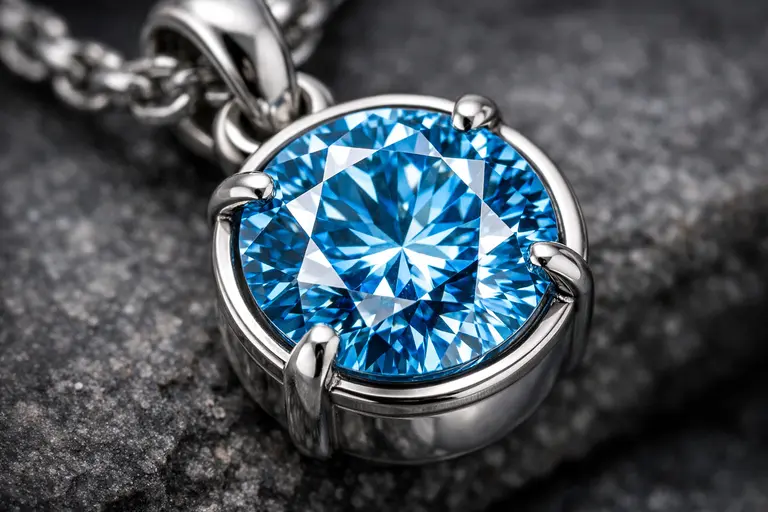
Beyond the physical stone, memorial diamonds popularity is driven by the desire for symbolic immortality. A diamond is the hardest substance on Earth. By turning a loved one into a gemstone, families feel they are making their memory indestructible. This sentiment resonates across all cultures, even if the methods of mourning vary.
Furthermore, pet memorialization has become a massive sub-sector of this industry. Many owners now commission diamonds from the fur of their dogs or cats. Consequently, the market is expanding beyond human remembrance into the broader world of family companionship. As technology improves and costs gradually decrease, these stones will likely become a standard option in funeral homes worldwide.
FAQ: Memorial Diamonds Popularity
Are these real diamonds or just glass?
They are 100% real diamonds. Specifically, they possess the identical chemical, physical, and optical properties of mined diamonds.
Can a jeweler tell the difference?
Most local jewelers cannot tell the difference with basic tools. However, professional laboratories use spectroscopic analysis to identify the unique growth patterns of a lab-grown stone.
How much ash is required for one diamond?
Typically, a laboratory requires about 100 grams of ashes or 2 grams of hair to extract enough carbon for a standard-sized diamond.
Why is this trend growing in Japan?
Japan has a high cremation rate and very limited land for burials. Consequently, memorial diamonds provide a space-saving way to honor ancestors within the home.
Do these diamonds contain DNA?
No. The intense heat used during the cremation or carbon extraction process destroys all DNA. The finished diamond consists only of purified carbon.
Disclaimer
This article discusses cultural beliefs and memorial practices for educational purposes. Customs and religious interpretations vary widely by region. Always consult with a spiritual advisor or funeral professional before making personal decisions about memorial diamonds. The author holds no financial affiliation with Algordanza or Lonité.