Introduction
Laishui walnuts sit at an unusual crossroads between natural curiosities, collectibles, and cultural art. Collectors select Wenwan walnuts for their shell structure, shape, and texture, and Laishui in Hebei is especially known for cultivating them. As a walnut matures, its shell darkens and gains a noticeable shine. Consequently, gemstone lovers often compare the shell to jasper, agate, or jade. However, these materials differ fundamentally. A walnut shell is organic, while jasper and jade form through geological processes. Understanding this difference explains why Laishui walnuts attract collectors and why buyers should approach gemstone comparisons carefully. Ever wonder why these walnuts are so uniquely captivating? We can find the answer by comparing these organic treasures directly to traditional gemstones. Learn more about these connections at Gemology and Jewellery Education.
Which Gemstone Resembles Laishui Walnuts?
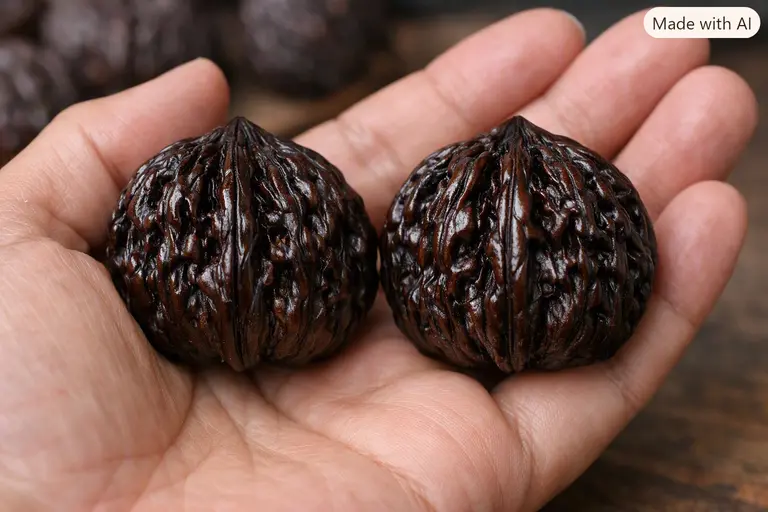
First, the closest gemstone comparison depends on which stage of the walnut you examine. A fresh walnut shows a ridged, woody surface, whereas a well-handled walnut develops a warmer colour and a polished finish. Consequently, collectors describe this mature look as jade-like. Wenwan culture even uses the term bao jiang for this developing patina. Even so, the walnut never actually becomes jade; the term simply captures appearance rather than mineral makeup.
Walnut Jasper and Laishui Walnuts as Look-Alikes
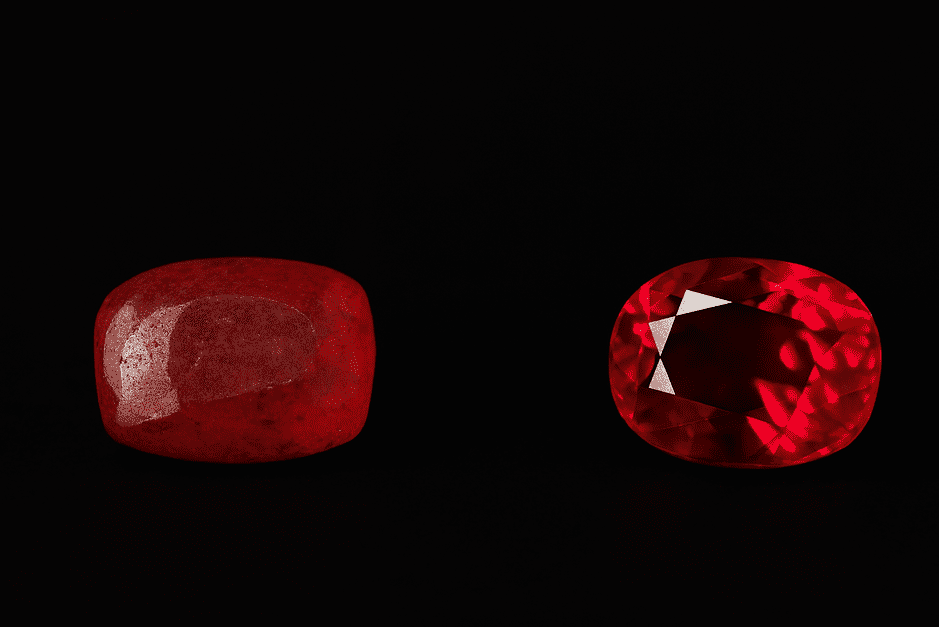
Specifically, Walnut Jasper offers the most obvious visual match for a walnut’s earthy brown tone. Jasper, an opaque form of microcrystalline quartz, commonly appears in brown, red, and yellow. That said, treat Walnut Jasper mainly as a descriptive trade name rather than a formally recognised mineral variety. The name alone never guarantees a specific composition. In addition, for a deeper introduction to gemstone identification, you can consult the Gemological Institute of America (GIA).
Comparing Mature Laishui Walnuts to Jade
Jade provides another useful comparison, particularly once a walnut develops a smooth, glossy, reddish-brown surface. Still, genuine jade carries a different geological identity. Gemologists define true jade strictly as jadeite or nephrite. For that reason, “jade-like finish” describes the walnut far more accurately than “jade walnut” does, since a patina never turns an organic shell into a gemstone.
How Laishui Walnuts Develop a Wenwan Patina
Indeed, the appeal goes well beyond colour. Collectors choose Wenwan walnuts for their shape, symmetry, and ridge structure, then spend years handling matched pairs. As a result, each walnut builds a personal history. The owner watches the surface change gradually rather than receiving a finished object outright. That said, sellers should not present claims that rolling improves circulation as established medical fact. Instead, focus on the meditative and aesthetic rewards of this tradition.
How a Wenwan Walnut Develops Its Patina
Patina describes the visible changes that handling and regular care produce over time. Frequently touched areas smooth out, while colour and sheen deepen the longer an owner works the pair. However, researchers haven’t fully established the chemistry behind this process. It is safer to describe what collectors observe than to credit one specific reaction. Crucially, a darker surface alone never proves age or value, since treated walnuts can acquire a similar look. Therefore, treat patina as evidence of surface history rather than proof of provenance.
Can a Gemstone Match the Laishui Walnuts Experience?
Notably, a gemstone reproduces only part of the visual appeal. It reaches buyers already cut and polished, whereas a Wenwan walnut keeps developing through years of handling. Even so, Walnut Jasper and reddish ornamental stones supply comparable colour and gloss. Ultimately, a walnut’s value includes time, touch, and personal history. This uniquely human element sets it apart from a gemstone’s purely geological value.
Are Laishui Walnuts Popular in the Indian Market?
Even so, Laishui walnuts remain a niche interest in India compared with China’s established collecting culture. Indian buyers generally know walnuts as food and recognise hand-held objects such as Rudraksha beads far more readily. Nonetheless, an Indian collector can still appreciate Wenwan walnuts, especially with an interest in Chinese culture or unusual collectibles. Meanwhile, our guide to Rudraksha bead traditions offers useful context for readers curious about comparable Indian collectibles.
How to Spot Fake Laishui Walnuts and Wenwan
Additionally, counterfeiting remains a genuine concern. Sellers have reportedly used resin casts, dyed shells, and artificial ageing treatments. Consequently, buyers should examine the whole object rather than judge by colour alone. Watch for uniform surfaces, mould lines, and unnatural seams. Still, natural variation runs wide. Therefore, a visual check flags warning signs without always confirming authenticity.
Are Home Tests for Laishui Walnuts Reliable?
Some collectors heat a pin to distinguish shell from resin, since resin tends to soften or give off a plastic-like odour. This test, however, can permanently damage a genuine walnut. Buyers should not treat it as routine. Similarly, weight and surface feel offer useful clues. For a costly purchase, buyers should seek specialist examination instead.
Treatments for Laishui Walnuts Buyers Should Know
Sellers also apply oils, dyes, and aggressive polishing to fake a darker appearance. Because of this, a uniform gloss is not automatic proof of age. A treated walnut can carry a very different surface history than a naturally patinated one. Above all, buyers should ask about treatment history whenever price hinges on claimed age or patina.
Why a Jade-Like Laishui Walnut Isn’t Jade
A mature Laishui walnut can certainly look gem-like, yet its transformation stays organic rather than geological. “Jade-like” therefore works well as a description, while “turned into jade” does not. For gemstone lovers, this distinction makes Laishui walnuts especially fascinating. It shows how time and attention produce a gem-like appearance without changing the underlying material.
Frequently Asked Questions
Which gemstone looks most like a Laishui walnut?
Walnut Jasper offers the closest match for the earthy brown look, while reddish jade or agate compares better to a mature walnut’s darker finish. No gemstone perfectly matches the natural walnut shell.
Do Wenwan walnuts really turn into jade?
In short, no, they never become mineral jade. Instead, “jade-like” simply describes the appearance that develops through years of handling.
Can a fake Wenwan walnut look genuine?
Yes, resin casts and dyed shells can convincingly imitate desirable traits. So, buyers should check surface structure and treatment history rather than rely on a single test.
Does a dark patina prove a walnut is old?
No, a dark surface does not prove age on its own, since oil, wax, and polishing can all alter appearance. Ultimately, treat patina as one observation rather than definitive proof of authenticity.
Disclaimer
Overall, this article serves general educational purposes only. Wenwan terminology and treatment methods vary among sellers, so visual inspection alone cannot guarantee authenticity, age, or market value. Above all, for a significant purchase, consult a suitably qualified specialist before buying. The author has no financial affiliation with the brands or organizations mentioned.