Summary
Many buyers still chase the Kashmir sapphire origin label, believing it guarantees beauty and value. In truth, the real worth of a sapphire lies in color, clarity, and cut — not birthplace. Magnificent stones also come from Madagascar, Sri Lanka, and Australia. Learn how to judge the gem, not just its story.
Table of Contents
- The Kashmir Sapphire Origin Obsession
- What Defines Sapphire Value
- Modern Sources of Fine Sapphires
- Fake Origins and Market Pressure
- How to Buy Sapphires Wisely
- FAQs
The Kashmir Sapphire Origin Obsession
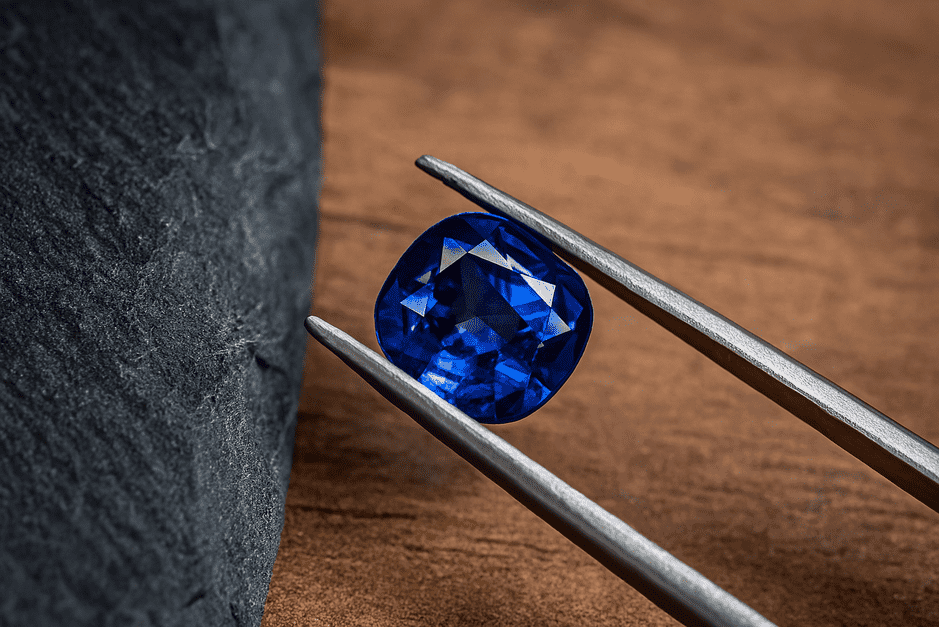
In my 40 years in gemology, one myth never fades — Kashmir sapphire origin.
Buyers often ask, “Is it a Kashmir sapphire?” before even examining the stone.
That obsession leads to mistakes.
Many dazzling Ceylon and Madagascar sapphires are overlooked just because they weren’t “Kashmir.”
The key is beauty, not birthplace.
To understand gemstone grading better, see Gemstone Grading Basics.
What Defines Sapphire Value
A sapphire’s value depends on four visible traits:
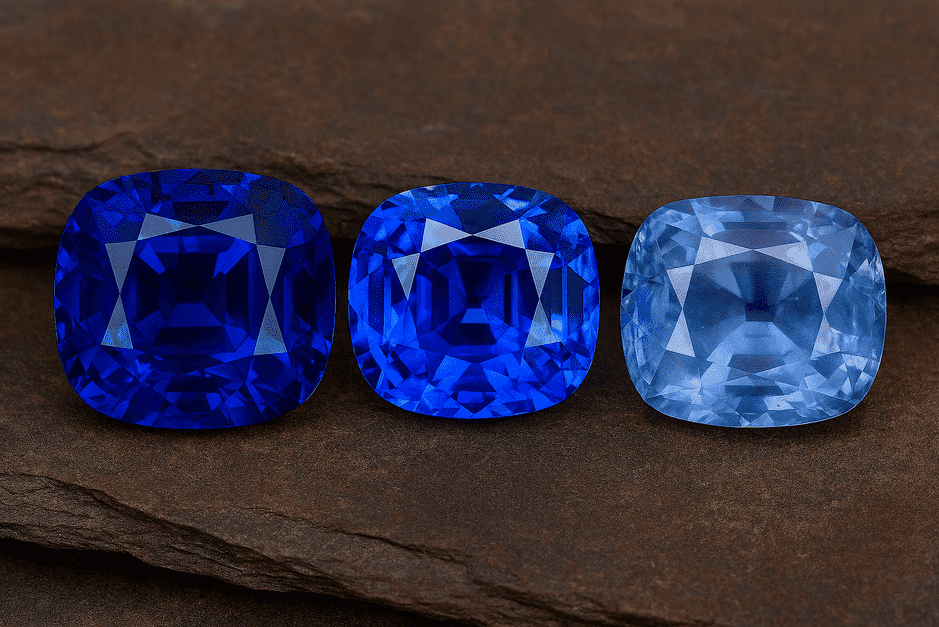
- Color: Pure, even blue that glows in all lights
- Clarity: Minimal inclusions
- Cut: Balanced proportions that create brilliance
- Size: Larger, richly colored stones fetch more value
Origin adds story, not sparkle.
A dull Kashmir sapphire will never outshine a bright Madagascar stone.
You can also read How to Read a Gemstone Report to understand certification details.
Modern Sources of Fine Sapphires
While Kashmir mines closed a century ago, new sources now deliver stunning gems:
- Madagascar: Excellent clarity and strong blue tones
- Sri Lanka (Ceylon): Bright, lively blues with consistency
- Australia: Deep royal shades at fair prices
Top auction houses today feature Madagascar sapphires rivaling old Kashmir pieces in brilliance.
Visit Gemstone Treatment Myths and Facts to learn how treatments affect value.
Fake Origins and Market Pressure
Some traders misuse Kashmir sapphire origin labels to inflate prices.
Smaller labs can misidentify or overstate origin under pressure.
According to the Gemological Institute of America (GIA), origin affects perception more than physical quality.
The Swiss Gemmological Institute (SSEF) also warns buyers to verify reports carefully.
Always cross-check certificates and rely on trusted labs like GIA, SSEF, and Gübelin.
How to Buy Sapphires Wisely
- Judge the gem, not its origin.
- Compare stones under daylight.
- Ask for reports from major labs only.
- Buy from transparent, experienced dealers.
For more buying confidence, read Understanding BIS Hallmark.
A beautiful sapphire is a beautiful sapphire — wherever it’s from.
FAQs
Q1: Are Kashmir sapphires always the best?
No. Many Ceylon and Madagascar stones equal or exceed Kashmir sapphires in beauty.
Q2: Why are Kashmir sapphires expensive?
Their mines closed a century ago, so rarity drives the price.
Q3: Can labs make mistakes?
Yes. Origin reports depend on interpretation, not certainty.
Q4: What should buyers focus on?
Color, cut, and clarity — these decide beauty and value.
Introduction
This comprehensive Watch Buying Guide answers the most common questions about timepieces.
Whether you’re purchasing your first watch or adding to your collection, these expert insights help you make informed decisions.
From understanding movement types to choosing the right size for your wrist, you’ll find everything needed before making a purchase.
What Types of Watches Should You Consider? – Watch Buying Guide Insights
Understanding the five main categories helps narrow your options:
- Mechanical watches – Use springs and gears. No battery needed.
- Quartz watches – Battery-powered; most accurate.
- Automatic watches – Wind themselves from wrist movement.
- Digital watches – Display time numerically on a screen.
- Smartwatches – Connect to your phone and track fitness data.
Accuracy Expectations – Watch Buying Guide Tips
- Quartz watches – Lose about 15 seconds per month.
- Mechanical watches – Lose 20–40 seconds per day.
- Atomic watches – Lose 1 second every 100 million years.
- Your phone’s clock stays perfectly accurate.
Water Resistance Considerations
Water resistance ratings affect usage scenarios:
- 30m – Handles rain and handwashing
- 50m – Safe for swimming
- 100m – Suitable for snorkeling
- 200m+ – Scuba diving
Replace gaskets every 2–3 years to maintain resistance.
Maintenance Schedule – Watch Buying Guide Advice
- Quartz watches – Battery replacement every 1–3 years.
- Mechanical watches – Full service every 3–5 years.
- Service costs: $200–800 depending on the brand.
Watch for stopping, running fast/slow, or condensation under the crystal.
Pricing Strategy
- Budget watches – Plastic cases, basic movements
- Mid-range watches – Steel cases, reliable mechanisms
- Luxury watches – Precious metals, hand-finished details
Remember: craftsmanship, materials, and brand prestige drive prices.
Sizing Advice
- 6–7 inch wrists – 38–42mm
- 7–8 inch wrists – 40–44mm
- 8+ inch wrists – 42–46mm
Ensure lugs don’t overhang wrist edges.
Complications to Prioritize
- Date display – Useful daily
- GMT hand – Second time zone
- Chronograph – Stopwatch
- Moon phase – Decorative
- Annual calendar – Adjusts month lengths
More complications = more things that can break.
Maintenance Tips
- Clean with a soft cloth
- Avoid extreme temperatures & magnets
- Wind manual watches daily
- Use watch winders for automatics
- Don’t adjust date between 9 PM–3 AM
Investment Potential
- Most watches lose value after purchase
- Only select Rolex, Patek Philippe, Audemars Piguet models appreciate
- Vintage watches from 1960s–70s show strong growth
- Buy watches you enjoy wearing, not solely for investment
Essential Tools
- Spring bar tool
- Case back opener
- Soft polishing cloth
- Watch cushion
- Demagnetizer
Where to Purchase
- Online – Better selection, often cheaper
- Physical stores – Try before buying
- Authorized dealers – Full warranties
- Grey market – Discounts, limited warranty
- Forums/eBay – Vintage pieces, verify authenticity
Learn More: