Summary
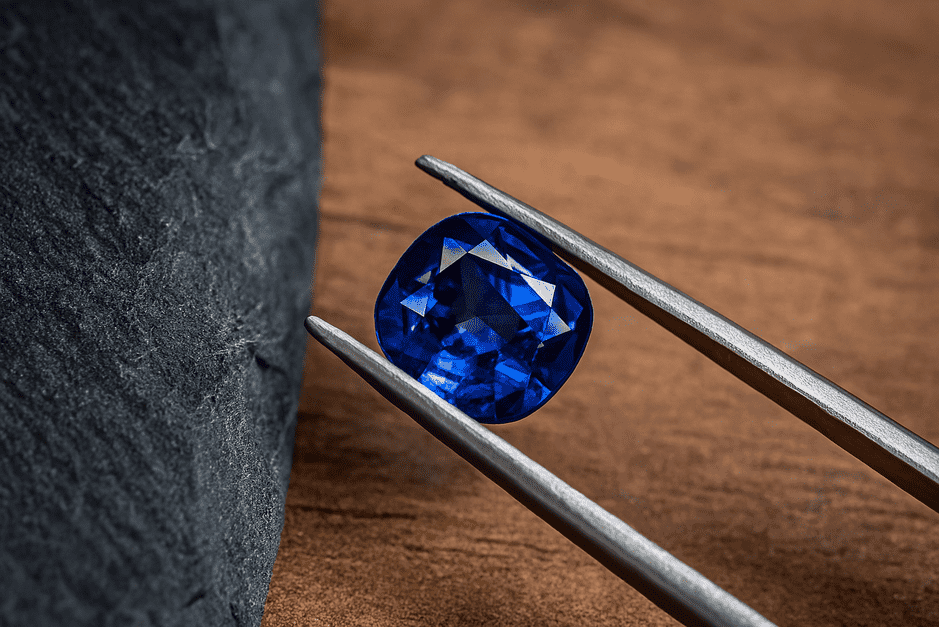
Many buyers still chase the Kashmir sapphire origin label, believing it guarantees beauty and value. In truth, the real worth of a sapphire lies in color, clarity, and cut — not birthplace. Magnificent stones also come from Madagascar, Sri Lanka, and Australia. Learn how to judge the gem, not just its story.
Table of Contents
- The Kashmir Sapphire Origin Obsession
- What Defines Sapphire Value
- Modern Sources of Fine Sapphires
- Fake Origins and Market Pressure
- How to Buy Sapphires Wisely
- FAQs
The Kashmir Sapphire Origin Obsession
In my 40 years in gemology, one myth never fades — Kashmir sapphire origin.
Buyers often ask, “Is it a Kashmir sapphire?” before even examining the stone.
That obsession leads to mistakes.
Many dazzling Ceylon and Madagascar sapphires are overlooked just because they weren’t “Kashmir.”
The key is beauty, not birthplace.
To understand gemstone grading better, see Gemstone Grading Basics.
What Defines Sapphire Value
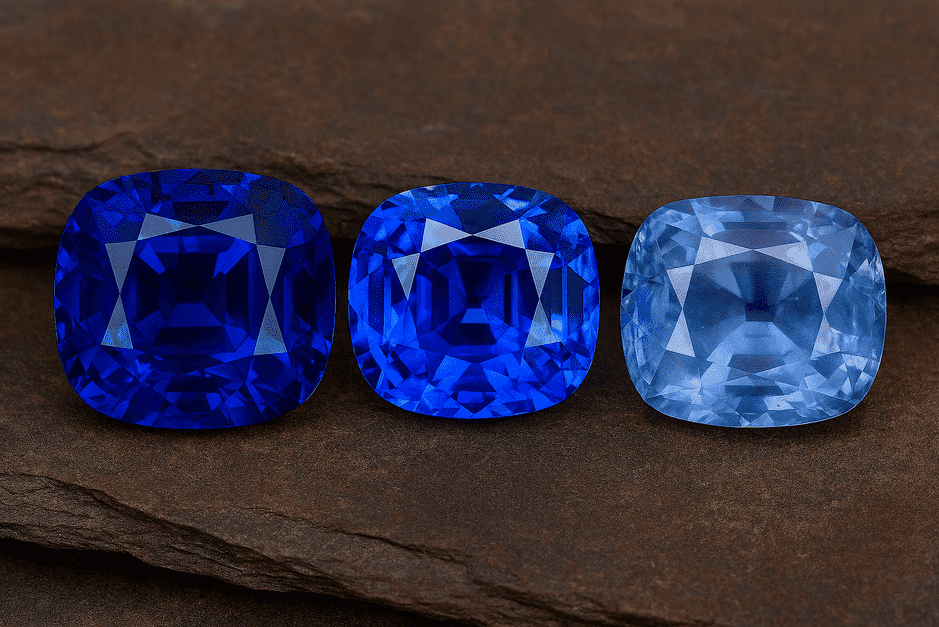
A sapphire’s value depends on four visible traits:
- Color: Pure, even blue that glows in all lights
- Clarity: Minimal inclusions
- Cut: Balanced proportions that create brilliance
- Size: Larger, richly colored stones fetch more value
Origin adds story, not sparkle.
A dull Kashmir sapphire will never outshine a bright Madagascar stone.
You can also read How to Read a Gemstone Report to understand certification details.
Modern Sources of Fine Sapphires
While Kashmir mines closed a century ago, new sources now deliver stunning gems:
- Madagascar: Excellent clarity and strong blue tones
- Sri Lanka (Ceylon): Bright, lively blues with consistency
- Australia: Deep royal shades at fair prices
Top auction houses today feature Madagascar sapphires rivaling old Kashmir pieces in brilliance.
Visit Gemstone Treatment Myths and Facts to learn how treatments affect value.
Fake Origins and Market Pressure
Some traders misuse Kashmir sapphire origin labels to inflate prices.
Smaller labs can misidentify or overstate origin under pressure.
According to the Gemological Institute of America (GIA), origin affects perception more than physical quality.
The Swiss Gemmological Institute (SSEF) also warns buyers to verify reports carefully.
Always cross-check certificates and rely on trusted labs like GIA, SSEF, and Gübelin.
How to Buy Sapphires Wisely
- Judge the gem, not its origin.
- Compare stones under daylight.
- Ask for reports from major labs only.
- Buy from transparent, experienced dealers.
For more buying confidence, read Understanding BIS Hallmark.
A beautiful sapphire is a beautiful sapphire — wherever it’s from.
FAQs
Q1: Are Kashmir sapphires always the best?
No. Many Ceylon and Madagascar stones equal or exceed Kashmir sapphires in beauty.
Q2: Why are Kashmir sapphires expensive?
Their mines closed a century ago, so rarity drives the price.
Q3: Can labs make mistakes?
Yes. Origin reports depend on interpretation, not certainty.
Q4: What should buyers focus on?
Color, cut, and clarity — these decide beauty and value.
Small Luxury Hotels FAQ
Introduction
This small luxury hotels FAQ answers common questions about boutique stays. It explains definitions, differences with large chains, and which services to expect. In addition, it covers family options, sustainability, and tips on finding the right property.
What defines a small luxury hotel?
- Fewer than 100 rooms.
- Personalized attention and privacy.
- Strong links to local design.
- Locations in unique urban or rural areas.
As a result, travelers often choose them for a more intimate experience. Moreover, their distinctive style sets them apart from standardized hotels.
Why choose a small luxury hotel?
Personal service
Staff remember guest details, therefore creating a sense of familiarity.
Calm spaces
Unlike large hotels, these properties feel quieter, so you can relax more easily.
Local culture
For example, menus highlight regional produce, and interiors reflect local crafts.
In addition, many guests return because the experience feels authentic.
How do small luxury hotels differ from large chains?
Guest experience
Small hotels provide tailored attention, while chains rely on uniform systems.
Property identity
Each boutique hotel has its own theme. On the other hand, large chains repeat formats worldwide.
Dining approach
Menus change seasonally and locally. Therefore, guests enjoy fresh variety instead of standard global menus.
Are small luxury hotels only for leisure stays?
Business features
- Lounges double as meeting rooms.
- Private dining options support work dinners.
Digital needs
- Fast Wi-Fi supports remote work.
- Quiet spaces help concentration.
Because of these advantages, small luxury hotels appeal to both business and leisure travelers.
What services can you expect?
- Concierge services for tours and dining.
- Fine dining menus with seasonal ingredients.
- Spa and wellness treatments.
- Added extras like minibars and welcome gifts.
Moreover, services shift depending on location. For example, a city hotel might offer cultural tours, while a rural retreat offers farm experiences.
Are small luxury hotels family-friendly?
Options for families
- Connecting rooms for parents and children.
- Child-friendly amenities such as menus or games.
Adults-only stays
- Some properties focus on privacy.
- Guests find peaceful, child-free environments.
Therefore, always check booking policies, because each hotel sets its own approach.
Do these hotels support sustainability?
Sourcing and dining
Farm-to-table meals reduce transport impact. In addition, guests enjoy fresher produce.
Environmental focus
Plastic use is restricted, while refillable bottles are encouraged. Smart energy systems reduce wastage.
Local involvement
Hotels support the community by hiring regionally. As a result, growth extends beyond the property.
How do you find the right small luxury hotel?
Define needs
Decide if food, spa, culture, or privacy is your top priority.
Check guest feedback
For example, repeat reviews about service often signal consistency.
Compare value
Packages may include meals, transfers, or early check-in. Therefore, higher prices can still deliver stronger value.
Are small luxury hotels worth the price?
Value of service
Guests pay for attention, comfort, and privacy. Moreover, experiences feel tailored and unique.
Extras add value
Some hotels include exclusive experiences or benefits. Finally, weigh these extras against nightly rates.
As a result, many travelers feel these hotels justify their price when quality matters most.