Introduction
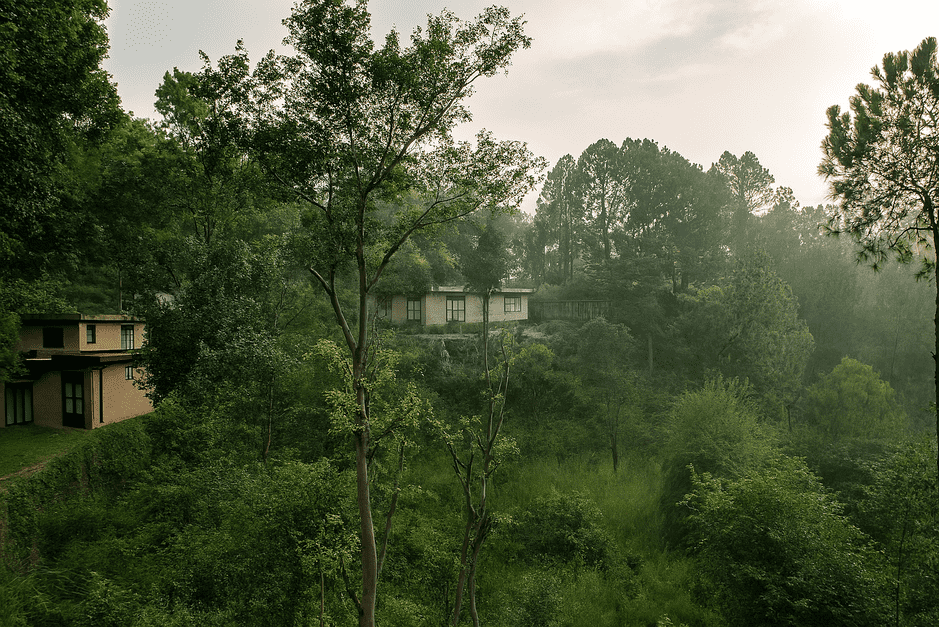
Conveniently, nestled just 15 km from the bustling metro city of Kochi, Kerala, lies a secret world where time seems to have paused. Kadamakudy Islands emerge as a breathtaking cluster of 14 interconnected islands, often hailed by locals as a “Living Island.” Unlike the crowded tourist hubs of Alleppey, traditional backwater life here thrives untouched by mass tourism.
For instance, as you explore these lush, tide-kissed lands, you will uncover a world where nature, culture, and sustainability intertwine seamlessly. As a native of Kerala and an admirer of natural beauty, I find Kadamakudy to be as visually soothing as a green Moss Agate. In this guide, we will dive deep into its origins, the unique Pokkali lifestyle, culinary delights, and essential tips. Therefore, whether you are a nature lover or a food enthusiast, Kadamakudy promises unforgettable experiences amid mangroves and paddy fields.
History of Kadamakudy Islands
To begin with, the story of these islands begins with dramatic natural events. Local legends attribute the formation of the Kadamakudy Islands to the catastrophic deluge of 1341 AD. Remarkably, this massive flood reshaped the Kochi estuary, closing the ancient port of Muziris and birthing these verdant landmasses from the sea. Consequently, this geological marvel sculpted a resilient ecosystem that endures today.
Etymology adds another layer of intrigue. Specifically, one popular theory traces the name to the Sanskrit word for Kadamba trees combined with Kudi (settlement). Alternatively, locals playfully link it to “Kadal Mukkuva Kudy” (Sea Fishermen Settlement). Historically, Kadamakudy has been a hub of quiet self-sufficiency. Evidently, Portuguese influences linger in the architecture, particularly around colonial-era churches. You can read more about Kerala’s history in my Kerala’s Gold, Food, and Film article.
Lifestyle in Kadamakudy Islands
Transitioning to the heartbeat of the islands, life here revolves rhythmically around the tides. Generally, primary occupations focus on Pokkali Farming. This is a remarkable, saline-tolerant rice variety grown in flooded fields during monsoons. Uniquely, farmers rotate this with prawn cultivation in the dry season.
Why is this special? Essentially, it is a “Zero-Input” system. The waste from the prawns feeds the rice, and the stubble from the rice feeds the prawns. No chemical fertilizers are used. Therefore, this intergenerational practice is recognized by environmentalists worldwide as a model of ecological resilience. Furthermore, residents engage in toddy tapping and coir making. As a result, Kadamakudy is not just a place to visit—it is a living laboratory of sustainable coastal culture. If you are interested in sustainability, check my thoughts on the Future of Single Mine Origin Gold.
Cuisine of Kadamakudy Islands
No exploration of Kadamakudy Islands is complete without indulging in its famed Toddy Shop (Kallu Shaap) cuisine. Here, flavors burst with freshness and spice.
The Seafood
Undoubtedly, seafood takes center stage. Picture tender Karimeen Pollichathu—Pearl Spot fish marinated in fiery masalas, wrapped in banana leaves, and slow-grilled. Similarly, Prawn Roast with caramelized coconut slices and Crab Curry offer seafood heaven. These dishes remind me of the vibrant flavors I discussed in Paragon Biriyani.
The Staples
Simultaneously, staples like Kappa (boiled tapioca) perfectly balance these bold dishes. For drinks, nothing beats freshly tapped Coconut Toddy. Ideally, savor it before 1 PM when it is sweetest. Pro tip: Pair your feast with views of the prawn-filled backwaters. The sensory experience of eating fresh food by the water is unmatched. Read more about healthy eating on Healthy Living and Diet page.
Nature in Kadamakudy Islands
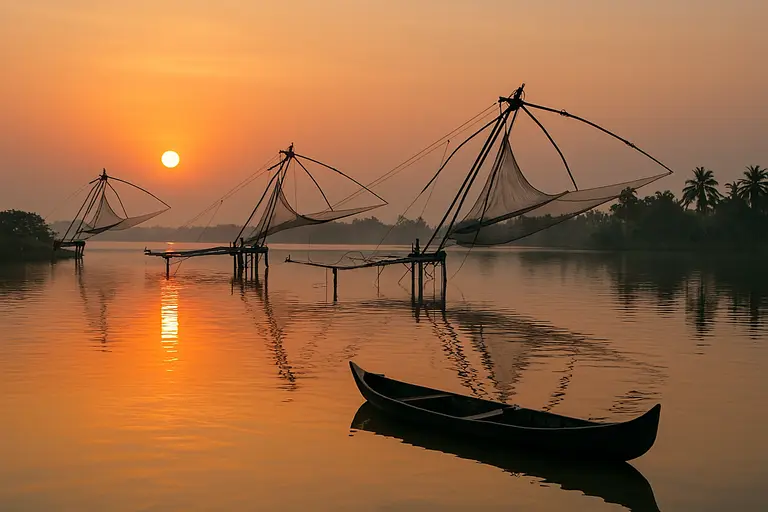
Beyond food, the islands are a haven for biodiversity. Impressively, over 70 migratory bird species flock here seasonally. During the early morning hours, you can spot Siberian Storks, Egrets, and Herons turning the paddy fields into a sea of white wings. Moreover, the mangroves provide a crucial buffer against erosion. Thus, for photographers and nature lovers, the “Golden Hour” (sunrise or sunset) at Kadamakudy is a magical time where the sky reflects perfectly in the still waters.
Dos and Don’ts for Kadamakudy Islands
To ensure a respectful and enjoyable trip, follow these guidelines.
Dos
- Plan Ahead: Crucially, pre-book boating or kayaking. Facilities are limited.
- Time it Right: Visit during sunrise (6:00 AM) or sunset (5:30 PM) for the best views.
- Transport: Opt for the eco-friendly Kochi Water Metro to Cheranallur, then take a short auto-rickshaw ride. It is sustainable and scenic.
Don’ts
- Don’t Litter: Unfortunately, plastics devastate the fish farms. Be a responsible tourist.
- Don’t Make Noise: Loud music scatters the birdlife.
- Respect Privacy: These are people’s homes and farms. Do not walk into private fields without permission.
Conclusion on Kadamakudy Islands
In summary, the Kadamakudy Islands offer an authentic glimpse into Kerala’s soul. It is a place where the pace of life is dictated by the sun and the tide, not the clock. Ultimately, a visit here reminds us that true luxury is silence, fresh air, and good food.
FAQ: Kadamakudy Islands
What is Kadamakudy Islands famous for?
It is renowned for its Pokkali rice-prawn farming, traditional Toddy Shop cuisine, and pristine backwaters that offer a glimpse into untouched Kerala village life.
How do I reach Kadamakudy from Kochi?
You can drive 15–20 minutes via NH66 to Cheranallur and cross the Goshree bridges. Alternatively, take the Kochi Water Metro to the Chittoor or Cheranallur terminals for a scenic route.
Is it safe for solo travelers?
Yes. The local community is welcoming and safe. However, it is best to stick to daylight hours and respect local customs regarding dress code and photography.
Is it safe for solo travelers?
Yes. The local community is welcoming and safe. However, it is best to stick to daylight hours and respect local customs regarding dress code and photography.
What is the best time to visit?
Generally, October to March is ideal for pleasant weather and migratory birdwatching. The monsoon season (June-August) is lush but can be difficult for travel due to flooding.
Are there accommodations?
Limited. Currently, there are a few small homestays. Most visitors choose to stay in Kochi (Fort Kochi or Ernakulam) and visit Kadamakudy as a day trip.