Introduction to the Debswana Diamond Model
The Debswana Diamond Model serves as a global blueprint for how a nation can manage its natural resources for the benefit of its citizens. Specifically, the Debswana Diamond Company is a 50/50 joint venture between the Government of Botswana and the De Beers Group. It currently ranks as one of the world’s top diamond producers by both volume and value. In simple terms, the company mines rough diamonds, sells them on the global market, and shares the resulting revenue directly with the nation. Furthermore, it invests this wealth in local jobs, healthcare, and education. As a result, this guide breaks down how that model works in 2026. You should also read our guide on gemstone buying mistakes to understand how quality standards apply to both institutional and private diamond acquisitions.
How the Debswana Diamond Model Generates Revenue
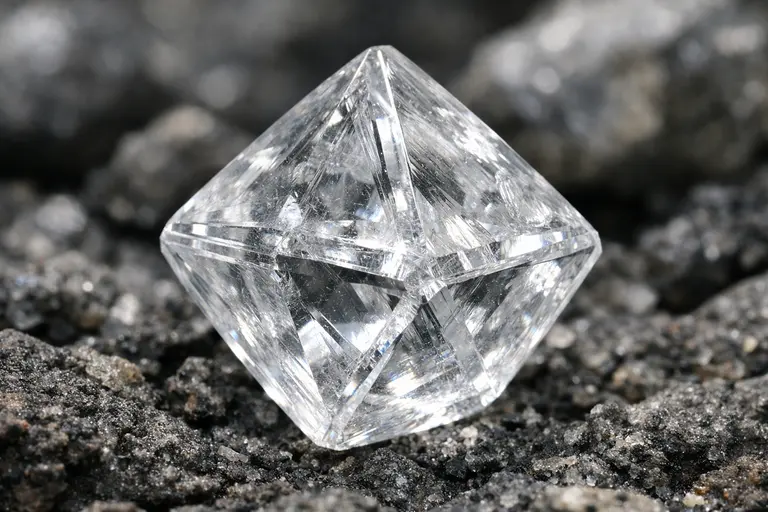
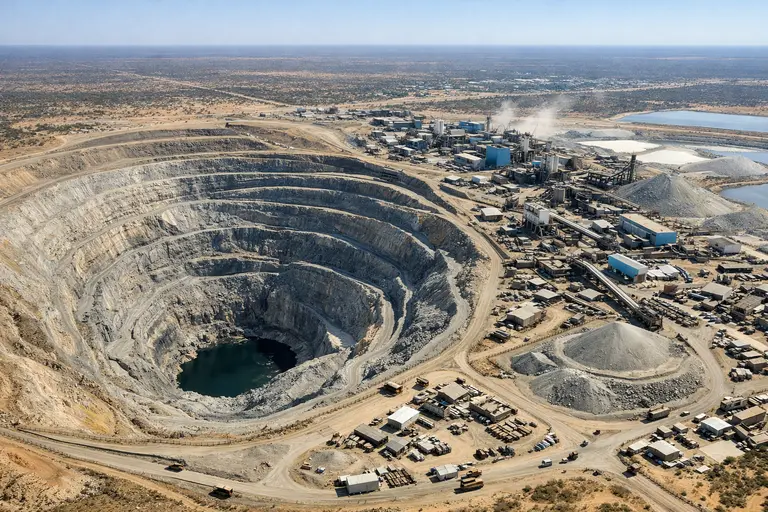
Debswana generates its massive revenue by operating four major mining sites: Jwaneng, Orapa, Letlhakane, and Damtshaa. At each facility, technical teams drill, blast, and process ore to recover high-quality rough diamonds. Because Debswana manages every step of the upstream process, it maintains tight control over operational costs and gemstone quality.
After extraction, the company sells its production through two primary channels. First, it supplies stones to the De Beers Group, which markets them to global sightholders. Second, the state-owned Okavango Diamond Company (ODC) sells an increasing share of production directly on behalf of the government. Together, these two routes ensure that both the private partners and the public treasury earn from every stone. In addition, Debswana sends a large portion of its profits back to the national budget through royalties and dividends. That money funds the infrastructure and schools that ordinary Batswana use every day. To see how these trade standards affect global markets, refer to the Gem & Jewellery Export Promotion Council (GJEPC).
The 2025 Sales Agreement: A Landmark Shift
In early 2025, the Government of Botswana and De Beers signed a historic 10-year sales agreement that redefined the Debswana Diamond Model. This deal extended Debswana’s mining licenses by 25 years, pushing the expiry date out to 2054. As a result, workers and investors now have decades of economic certainty.
Increasing Control Through the Okavango Diamond Company
Under this new sales split, the Okavango Diamond Company (ODC) receives 30% of Debswana’s rough diamond output for the first five years. After that period, the ODC’s share rises to 40% for the following five years. If both parties agree to a further extension, the split will reach a true 50/50 balance. In other words, Botswana is steadily gaining more direct control over its primary resource over time. Furthermore, De Beers committed significant funds to a new “Diamonds for Development Fund.” This initiative aims to build vocational training institutes and jewelry manufacturing facilities within Botswana. Consequently, more skilled jobs and finished products stay within the country rather than moving overseas.
Adapting to Modern Mining Challenges
While the Debswana Diamond Model is highly successful, the company must also adapt to changing geological and market conditions. At Jwaneng, which experts call the world’s richest diamond mine by value, the company is shifting from open-pit to underground mining. This “Cut-9” project and the Jwaneng Underground Project aim to extend the mine’s life until at least 2054.
At the same time, global diamond demand has fluctuated recently. In 2024 and 2025, weak prices prompted Debswana to reduce production by 16% to preserve long-term value strategically. Additionally, the company uses advanced X-ray sorting technology and the Tracr blockchain platform to track every diamond from the mine to the consumer. This transparency gives buyers confidence that their stones come from a responsible and verified source in Botswana. You may also read our article on Understanding BIS Hallmark to see how certification protects jewelry buyers in other major markets like India.
Social and Environmental Sustainability
Debswana represents one of the largest private-sector employers in Botswana. Thousands of employees and contractors work across its mines and support offices. Beyond providing competitive wages, the company offers housing and healthcare support to workers and their families. Furthermore, it funds clinics and schools in the mining towns where its employees reside. It also supports local entrepreneurs through enterprise-development programs. As a result, the positive impact of the Debswana Diamond Model spreads well beyond the mine fence and into the lives of ordinary families.
Regarding the environment, the company takes its responsibilities very seriously. Under its “Building Forever” sustainability approach, Debswana has committed to becoming carbon neutral by 2030. To achieve this goal, it plans to invest in massive solar energy projects and significantly reduce diesel use. Water stewardship is also a priority because Botswana is a water-scarce nation. Therefore, the company recycles wastewater and manages large conservation areas that protect local wildlife. By restoring the land, Debswana aims to leave the environment in better shape for future generations.
FAQ: Understanding the Debswana Diamond Model
Who owns Debswana?
Debswana is a 50/50 joint venture between the Government of Botswana and the De Beers Group. Both partners share the management and the profits equally.
How does the Debswana Diamond Model benefit the public?
The model ensures that most of the revenue stays in Botswana. This money pays for public services, including healthcare, infrastructure, and the national education system.
What is the Okavango Diamond Company (ODC)?
The ODC is a government-owned company that sells a portion of Botswana’s diamonds independently of De Beers. This allows the country to build its own expertise in diamond sales.
Are these diamonds ethically sourced?
Yes. Every stone is tracked via blockchain and produced under strict ethical and environmental guidelines. This ensures that the stones are “conflict-free.”
How long will the mining operations last?
Under the 2025 agreement, mining licenses are secured until 2054. New underground projects ensure that production will continue for several decades.
Disclaimer
This article is for general information only and is intended for everyday readers, not financial or legal professionals. It summarizes publicly available information up to early 2025, drawn from government, company, and industry sources. Diamond markets, agreements, and sustainability plans change over time. Always check the latest updates from official sources — including Debswana, De Beers, and the Government of Botswana — before making any business or investment decisions.