Gemstone Therapy

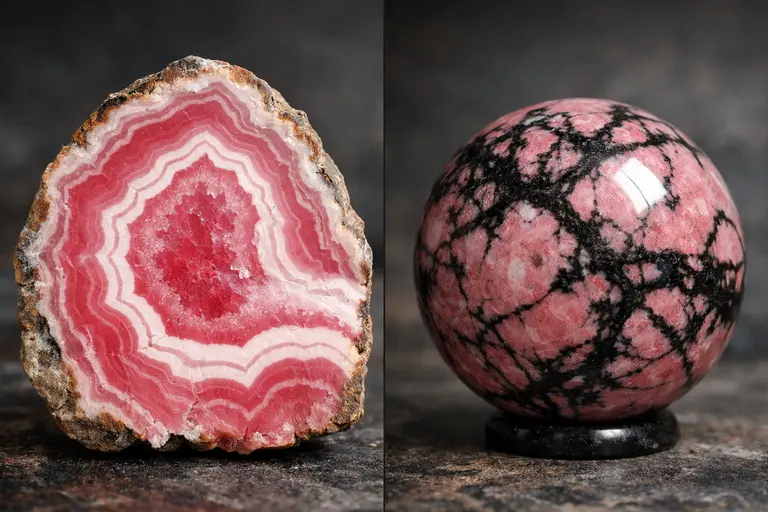
A pink banded Rhodochrosite cabochon next to a black-veined Rhodonite sphere illustrating Rhodochrosite vs Rhodonite.

Rhodochrosite vs Rhodonite: Differences, Uses & Buying Tips

Introduction In the mineral kingdom, names can be deceiving. Rhodochrosite vs Rhodonite are two of the most visually striking pink gemstones in the world. Both stones draw their names from the Greek word Rhodon, meaning “Rose.” Furthermore, both owe their warm, rosy hues to the presence of the element Manganese. As a result, they are frequently confused with one […]

Rhodochrosite vs Rhodonite: Differences, Uses & Buying Tips Read More »
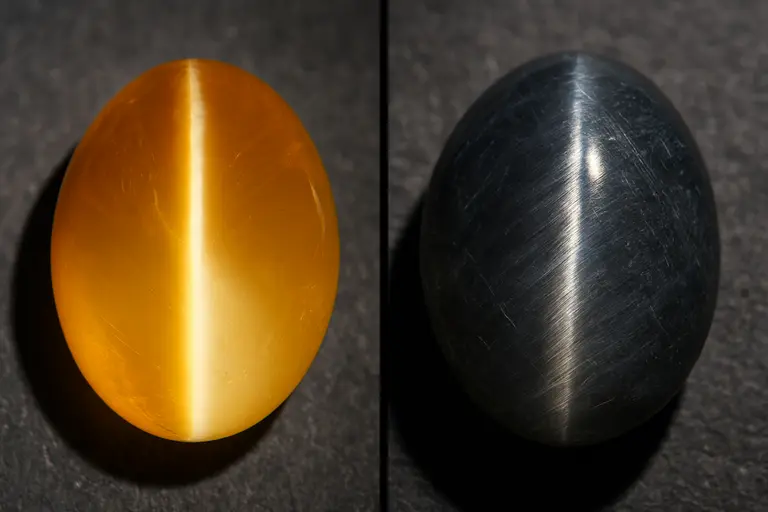
A Honey Yellow Chrysoberyl Cat's Eye next to a Grey Sillimanite Cat's Eye.

Chrysoberyl and Sillimanite Cat’s Eye: An Expert Guide

Introduction When it comes to gemstones that captivate with a single sweeping band of light, few rival the drama of the “Cat’s Eye” effect. Known formally as Chatoyancy, this optical phenomenon gives select cabochon-cut stones the appearance of a living feline iris. However, in the gem market, two stones dominate this category, often confusing buyers.

Chrysoberyl and Sillimanite Cat’s Eye: An Expert Guide Read More »

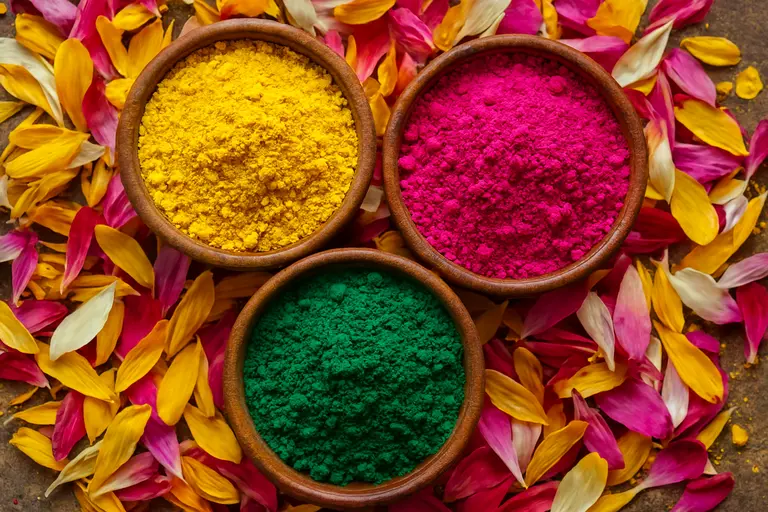
Bowls of natural turmeric yellow and hibiscus red Holi powder next to marigold flowers illustrating Holi Colors Meaning.

Holi Colors Meaning: Origins and Cultural Significance

Introduction Understanding the Holi Colors Meaning is essential as streets across India—and the world—burst into a spectacular riot of color every spring. This is Holi, the ancient Hindu festival that celebrates the triumph of good over evil. From the sacred red of Goddess Durga to the divine blue of Lord Krishna, the colors are not chosen at random.

Holi Colors Meaning: Origins and Cultural Significance Read More »