
Buying a diamond? Many first-time buyers make the diamond certification over actual quality mistake by trusting the certificate more than their own eyes. A grading report lists carat, color, clarity, and cut, but it cannot capture the diamond’s real sparkle or fire.
Example from my gem lab:
Two diamonds. Same size, color, and clarity. Both had identical GIA reports. On paper, they looked identical. In person, one dazzled with brilliance and fire, while the other appeared flat and dull. The certificate alone didn’t reveal the difference.
Why this happens:
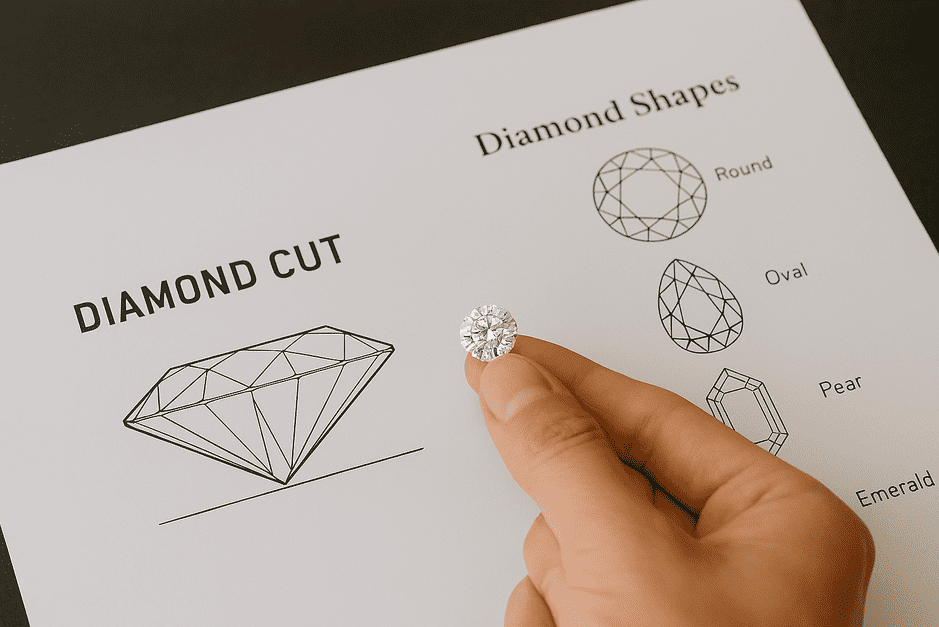
- Proportions: Even with the same cut grade, crown and pavilion angles may differ, affecting light performance.
- Symmetry: Minor asymmetry changes how light reflects.
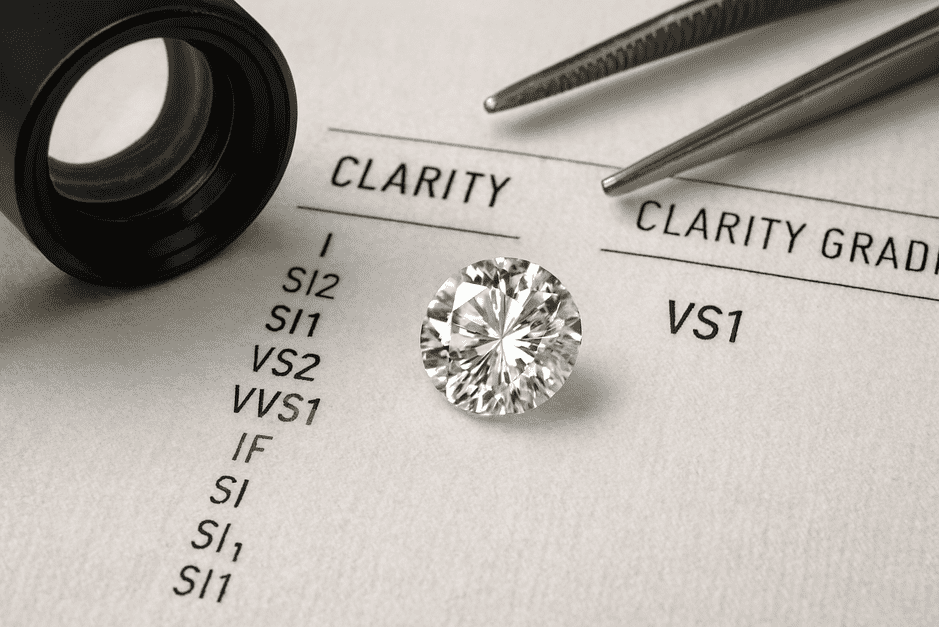
- Inclusions: Two “VS2” diamonds may look very different to the naked eye.
- Polish: Tiny surface issues reduce sparkle.
How to avoid the mistake:
- Never buy based only on the certificate.
- Compare diamonds side by side under proper lighting.
- Trust your eyes, not just the paperwork.
For more guidance on picking a beautiful stone, check choosing the perfect cut for your diamond, and learn to spot real vs lab-created diamonds.
Even when a report looks flawless, consulting professional guides like the American Gem Society’s diamond education page helps you make confident choices.
FAQ
Q1: Can two diamonds with the same GIA report look different?
Yes. Differences in proportions, symmetry, inclusions, and polish make diamonds with identical reports appear very different.
Q2: How do I avoid the diamond certification over actual quality mistake?
Always view diamonds under proper lighting, compare stones side by side, and trust your eyes.
Q3: Is the certificate useless?
No. It’s a guide, but real beauty comes from the diamond itself, not just the paperwork.