Introduction
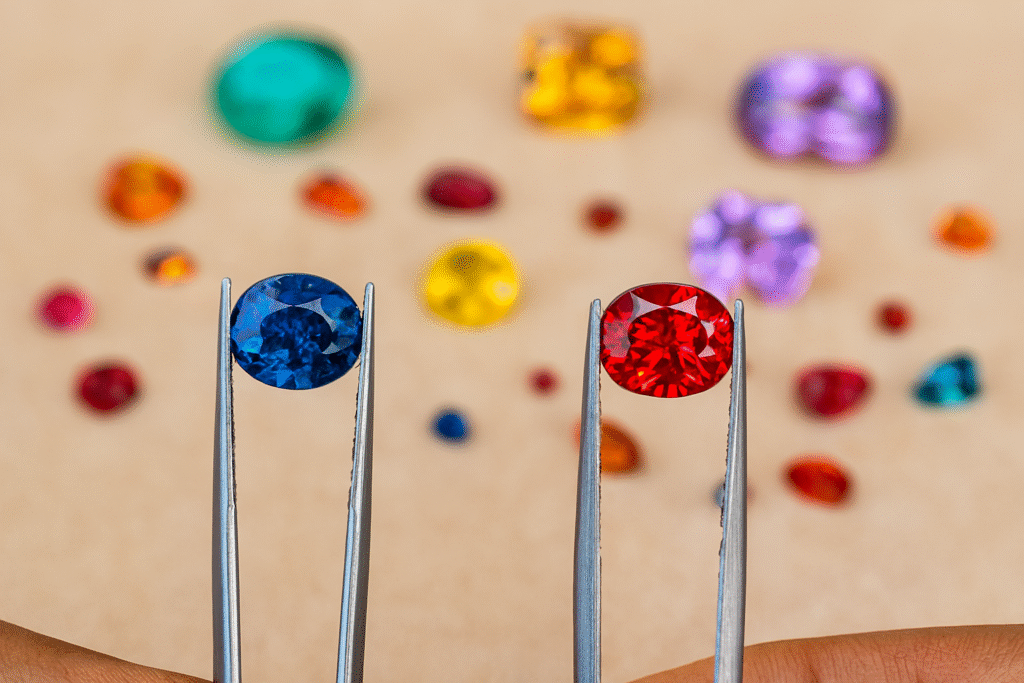
First, colour drives the overall appeal and retail price of a fine cornflower blue sapphire. However, the trade has long used terms such as cornflower blue, royal blue, and Kashmir blue without a shared, universal definition. As a result, two different sellers often describe entirely different stones with the same subjective words. Now, the Gübelin Gem Lab has announced a specific trade-colour designation for this variety that officially starts on January 1, 2027. Therefore, discerning buyers naturally wonder whether this new standard helps them identify quality or simply adds another premium label to an already complex market. By understanding how laboratories define this specific hue, you gain the power to shop with confidence. For more background on these gemstones, read our guide on blue sapphire colour, quality, and value.
What Cornflower Blue Sapphire for Gübelin Means
Defining the Cornflower Blue Sapphire Standard
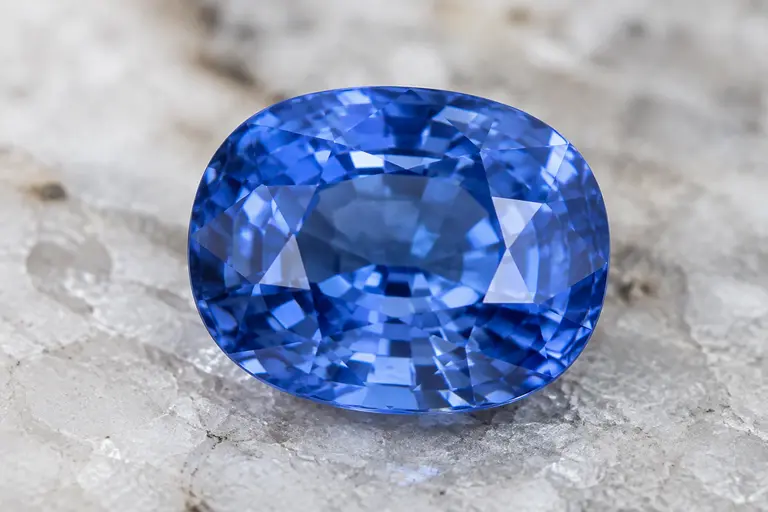
Indeed, dealers have used the name “cornflower blue” for generations to praise attractive sapphires, a term famously inspired by the delicate blue petals of the cornflower. Now, Gübelin gives the phrase a clearly defined meaning on its official gemmological reports. First, a qualifying sapphire must be entirely natural and show no signs of heating or clarity enhancement. In addition, it must display a saturated blue hue with a light to moderate tone. Moreover, a gentle violet hint is acceptable, but the colour must spread evenly through the stone.
Furthermore, the laboratory demands high transparency and no eye-visible or dark, distracting inclusions. Meanwhile, a slight velvety glow is welcome but not strictly required. Besides, faceted stones must avoid major windowing and light extinction, ensuring they reflect lively colour across the entire surface. Importantly, geographic origin does not matter for this label, so sapphires from Kashmir, Sri Lanka, Myanmar, and elsewhere can all qualify if they meet the strict aesthetic requirements. You can also view the official Gübelin Gem Lab announcement for the full criteria.
How Cornflower Blue Sapphire Differs From Royal Blue
Distinguishing Cornflower Blue Sapphire Tonality
Specifically, Gübelin places its Cornflower Blue range in a slightly lighter tonal range than its “Royal Blue” designation. Additionally, the cornflower range may show marginally lower saturation and a soft violet component compared to the deeper, more intense royal blue. However, both designations demand exceptional colour purity and untreated status. Because the two ranges sit side by side without overlapping, gemologists carefully compare each stone against standard master stones to decide the final label. Consequently, a lovely Sri Lankan or Kashmir sapphire does not automatically earn either label. Instead, the individual stone’s unique optical properties decide the outcome, not its specific birthplace.
In fact, Gübelin originally considered this term back in 2004 but declined to issue it, because the trade interpreted its context differently at the time. However, the laboratory consistently observed beautiful sapphires that were slightly too light for the royal blue label, so it ultimately reversed that initial course.
Is Cornflower Blue Sapphire a New Standard?
Indeed, the initiative brings consistency to a term that dealers have interpreted loosely for decades. Moreover, Gübelin grades colour against standard master stones, which gives its opinion a much steadier foundation than a simple sales pitch. Nevertheless, Cornflower Blue for Gübelin is not a universal industry standard. For example, GRS has used its own cornflower blue concept since 1996, whereas SSEF applies only the “royal blue” name to high-quality blue sapphires. Consequently, different laboratories may describe the exact same sapphire with different wording, depending on their own internal standards.
Who Gains From the Cornflower Blue Sapphire Designation?
Arguably, the laboratory gains the most, because the label strengthens its authority and adds a premium service to its portfolio. Meanwhile, dealers and auction houses may also benefit, since a recognised designation attracts collectors who often buy high-value items remotely. However, buyers should always separate professional recognition from intrinsic value. For example, a designation may support an asking price, but it never proves that the price is fair or represents a bargain. Also, for a wider view of how these terms influence the market, see our article on understanding sapphire colour and gemstone buying decisions.
Where Marketing Meets Gemmology
Still, we should not ignore the commercial side of this change. Meanwhile, JCK reported that Gübelin’s managing director, Daniel Nyfeler, noted that only about 1% of the stones the lab sees typically qualify for a trade colour. However, that figure covers all trade colours, not Cornflower Blue alone. Thus, the scarcity of this kind creates a strong impression of exclusivity. Besides, Gübelin’s own announcement says that clients who submitted a sapphire within the past five years can request reconsideration, and eligible stones receive a 75% discount on the service fee. Even so, the commercial angle does not cancel the scientific purpose. Overall, the initiative serves standardisation and business at the same time. Read the full interview in the JCK report.
Why the 99 Percent Can Relax
Above all, most people buy sapphires to wear, enjoy, and pass on to their family. As a result, the technical gap between “cornflower blue,” “royal blue,” and “violetish blue” matters very little for the average consumer. Moreover, colour perception varies significantly between individuals. Lighting conditions, surrounding colours, and your own eyesight change how a stone looks, so two people often describe the same sapphire differently. Consequently, a well-cut blue sapphire without the prestigious label may please you more than a pricier, designated one.
What Sapphire Buyers Should Do
Instead of chasing a label, start with the gem, not the sales pitch. First, view the sapphire in daylight, indoor light, and shade. Next, ask whether the seller heated or otherwise enhanced the stone. Meanwhile, a reputable, independent laboratory report helps confirm identity and treatment, but you must read what it covers and what it leaves out. Also, if a seller offers the designation, compare the extra cost with the actual visual benefit. Finally, collectors should weigh origin, rarity, provenance, and market demand separately, because a trade-colour name cannot guarantee future resale value.
Final Thoughts
In conclusion, the Cornflower Blue designation clarifies a familiar but loosely used trade term. At the same time, it adds another prestigious category to a market that thrives on reputation. Professionals and serious collectors may value the recognition, but everyday buyers should trust their own eyes. Ultimately, a sapphire becomes beautiful because of its natural colour and character, not because a laboratory gives it a name.
Frequently Asked Questions
When does Cornflower Blue for Gübelin begin?
Gübelin will introduce the designation on January 1, 2027, so qualifying natural blue sapphires can receive it from that date.
Must a sapphire come from Kashmir to qualify?
No, because origin does not decide eligibility. Instead, any natural sapphire that meets every physical requirement can qualify.
Can a heated sapphire receive the designation?
No, since the stone must show no signs of heating or clarity enhancement. Therefore, treated sapphires cannot qualify.
Can owners resubmit older sapphires?
Yes. Clients who submitted stones within the past five years can request reconsideration, often with a 75% discount on the service fee.
Will the designation raise a sapphire’s value automatically?
No. While it may boost recognition and support a premium, the stone’s own qualities, market conditions, and buyer taste decide the actual value.
Should ordinary buyers pay extra for it?
Not necessarily. The designation is an extra consideration rather than a substitute for judging the stone’s beauty and quality yourself.
Disclaimer
This article offers educational commentary. Trade-colour assessments represent laboratory opinions; they are not guarantees of market value or future resale price. The author has no financial affiliation with the brands or organizations mentioned.