The Modern Revival of Pocket Watches
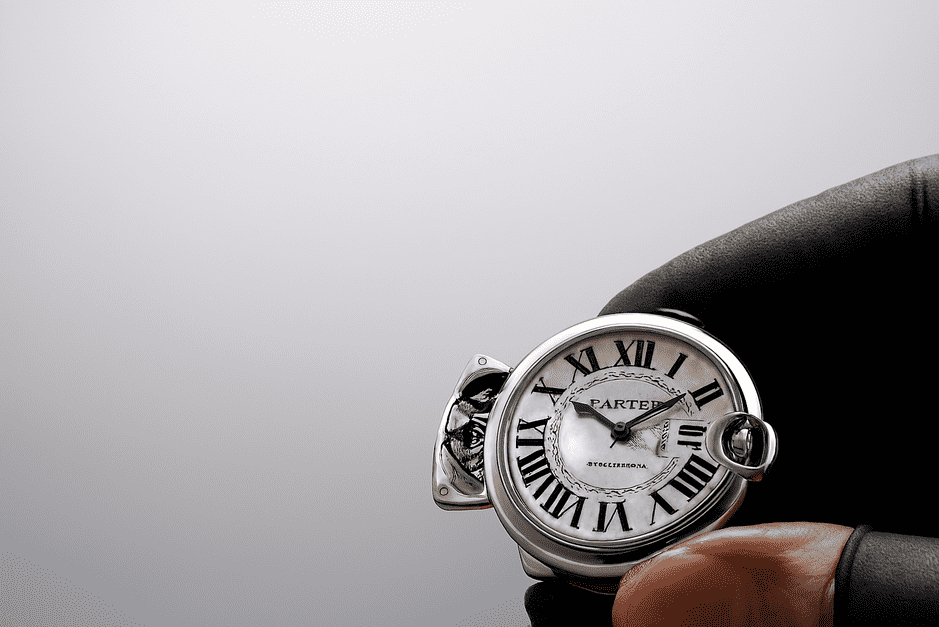
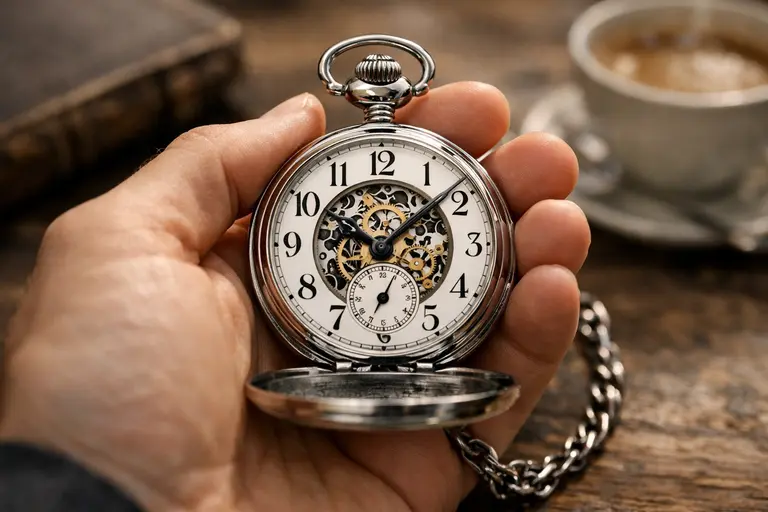
For decades, people treated these timepieces almost exclusively as museum pieces or dusty family heirlooms. Today, however, that traditional picture is changing exceptionally fast. Collectors, fashion lovers, and everyday buyers are rediscovering these beautiful objects in growing numbers. Consequently, many fashion analysts are officially declaring that pocket watches are back as a legitimate accessory for the modern gentleman and gentlewoman.
Wristwatches still dominate daily wear, yet traditional pocket timepieces offer something genuinely different. Specifically, they connect you to a long tradition of fine craftsmanship and personal style. Moreover, they provide a calm, unhurried alternative to smartphones and smartwatches that constantly buzz for your attention. Therefore, understanding why this resurgence is happening helps collectors make more informed decisions. By examining the brands leading the charge, we can see how heritage and modern technology finally meet.
Reasons Driving the Resurgence of Classic Timepieces
Several clear reasons explain the renewed interest in these items today. First, vintage fashion has returned in a big way across global markets. Period television dramas and social media creators have helped bring back traditional tailoring, waistcoats, and heritage accessories. As a result, many people now see these horological gems as stylish statement pieces rather than outdated objects.
Second, many buyers are experiencing significant digital fatigue. Smartwatches and phones deliver constant notifications and distractions. A classic pocket timepiece, by contrast, offers a slower and more deliberate experience. You simply take it out, check the time, and tuck it away again without any digital interruption. In addition, mechanical craftsmanship is attracting fresh appreciation among younger demographics.
Furthermore, this trend is part of a larger shift toward trade skills that stay ahead of AI in India, where physical mastery is valued. Finally, the broader movement toward collecting character-rich objects has encouraged buyers to explore beyond standard wristwatches. Therefore, the market is expanding as consumers seek items with lasting value.
Which Brands Make Pocket Watches Today?
Several respected watchmakers actively produce pocket watches for modern collectors. At the accessible end of the market, Tissot remains a leading name. Its “T-Pocket” collection combines traditional styling with reliable modern performance. Furthermore, buyers can choose between quartz and mechanical versions depending on their budget. Because Tissot uses established ETA movements, these watches are easy to service and maintain over the long term.
Longines also maintains a strong historical connection to pocket watches. Their heritage pieces remain highly regarded among serious collectors. At the luxury level, Vacheron Constantin occasionally presents extraordinary pocket watches that demonstrate the highest levels of horological skill. These pieces serve primarily as technical showcases rather than everyday accessories.
Similarly, Parmigiani Fleurier creates one-of-a-kind pocket watches that highlight artisan craft. As a result, the brand attracts collectors who value handmade skill above all else. This focus on purity and material quality is similar to the standards found in the silver supply chain from mine to jewelry. To learn more about official Swiss manufacturing standards, visit the Federation of the Swiss Watch Industry (FHS).
Are Traditional Watches Practical for Daily Use?
Many people assume these watches exist only for display in glass cases. In reality, modern versions remain highly functional. Mechanical models provide reliable timekeeping when owners service them every three to five years. Moreover, many enthusiasts enjoy the daily ritual of winding their watch. This tactile engagement creates a personal bond with the machine that a quartz watch cannot replicate.
Quartz-powered models offer even greater convenience for the casual user. Since they require minimal maintenance and deliver excellent accuracy, they suit buyers who want traditional style without mechanical complexity. Beyond timekeeping, these pieces serve many practical purposes. Collectors use them as desk accessories or conversation starters at formal events.
Notably, because they are not worn on the wrist, they suffer fewer scratches from daily tasks. Therefore, a classic timepiece can stay in pristine condition for decades longer than a typical wristwatch.
Historical Context for Indian Collectors
India shares a long and fascinating history with these luxury items. Swiss watchmakers historically supplied exceptional timepieces to Indian Maharajas and noble families. As a result, these objects became symbols of prestige and fine craftsmanship throughout the subcontinent. Many vintage pieces in India today date back to the British colonial period.
Families passed them down through generations as treasured keepsakes. Consequently, they carry both historical and deep personal value. Today, many Indian collectors continue to celebrate this heritage by pairing their watches with sherwanis and bandhgalas. Meanwhile, younger collectors increasingly view them as distinctive alternatives to mass-produced accessories.
For those looking to buy or sell, auction houses like Saffronart and Astaguru occasionally list vintage pieces from private estates. For additional collecting resources, visit the National Association of Watch and Clock Collectors (NAWCC).
FAQ About Why Pocket Watches Are Back
Why exactly are pocket watches back in 2026?
They are popular because of a cultural shift toward “slow living” and vintage aesthetics. Additionally, they provide a much-needed break from the constant connectivity of smart devices.
How should I carry a pocket watch?
You should carry it in a waistcoat pocket or the small “fob” pocket of your trousers. Always use a chain (or “Albert”) to secure the watch to your clothing to prevent accidental drops.
Are old pocket watches better than new ones?
Not necessarily. Old watches have historical charm, but modern ones like those from Tissot are more reliable for daily timekeeping and are easier to repair.
How often do mechanical pocket watches need service?
You should have a professional watchmaker clean and oil the movement every five to seven years. Consequently, the watch will remain accurate and functional for generations.
What is the benefit of a quartz pocket watch?
A quartz model is battery-operated and requires no winding. Therefore, it is perfect for someone who only wears the watch occasionally for special events like weddings.
Disclaimer
This article is for informational and educational purposes only. The author has no financial affiliation with the watch brands mentioned. Always verify the authenticity and mechanical condition of a timepiece before purchasing. Market values fluctuate; therefore, collect for passion rather than purely for investment.