Introduction to the Unique District of Kasaragod
Keralam draws millions of visitors every year to its iconic beaches, backwaters, and hill stations. Most travelers head straight to Kochi or Munnar and conclude their journey there. However, the Unique District of Kasaragod—the northernmost region of Keralam—quietly offers experiences that most tourists never discover. Specifically, Kasaragod sits at the vibrant border of Keralam and Karnataka. Because of this proximity, the district successfully blends two distinct cultural worlds into one remarkable destination.
People frequently call it the “Land of Gods, Forts, and Rivers” for several valid reasons. This region combines twelve rivers, intimate backwaters, and rolling hills within a compact area. Moreover, it remains one of Keralam’s least commercialized destinations. Therefore, visitors can enjoy a far more authentic and relaxed experience than they find in the busier southern hubs. Whether you love ancient history, spicy food, or landscape photography, this guide explains why you should visit. You should also read our guide on gemstone buying mistakes to understand how to evaluate the jewelry and metal mirrors often found in northern markets.
Nature in the Unique District of Kasaragod
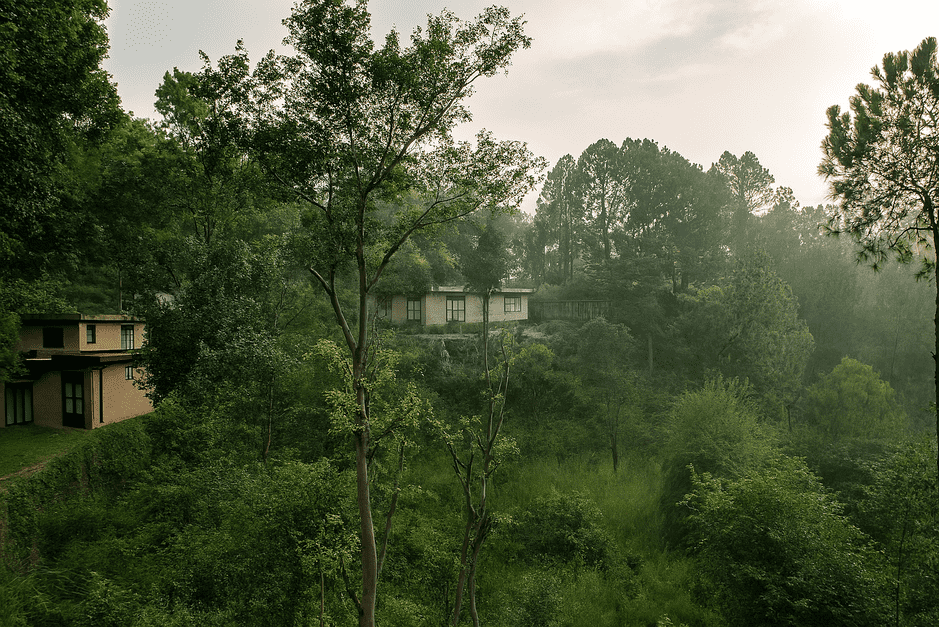
The Unique District of Kasaragod stands out first because of its extraordinary geological landscape. Unlike other destinations in Keralam that focus on a single feature, Kasaragod layers rivers, hills, and beaches together seamlessly. Specifically, twelve rivers flow through the district, creating fertile valleys and scenic estuaries. Among them, the Chandragiri River is especially beautiful as it meets the Arabian Sea at Thalangara.
Furthermore, the Valiyaparamba Backwaters give visitors a quieter alternative to the crowded circuits of Alappuzha. Travelers who take boat rides here pass through lush mangroves and small fishing villages at a peaceful pace. Meanwhile, Ranipuram adds a completely different dimension to the trip. People often call it the “Ooty of North Keralam” because of its rolling grasslands and shola forests. Consequently, trekkers increasingly choose Ranipuram as a weekend escape. You can explore more detailed maps through the official Keralam Tourism website.
Ritual Traditions within the Unique District of Kasaragod
Kasaragod actively preserves some of the oldest living traditions in India. Most notably, the district serves as a major center for Theyyam. This is a ritual performance art that combines dance, music, and folklore into a single spectacular event. Every year, from October to May, performers bring Theyyam to life at sacred groves across the district. Because they wear elaborate costumes and towering headgear, the visual impact is unforgettable.
In addition, Kasaragod reflects the strong influence of the historic Tulunadu region. Consequently, travelers often encounter Yakshagana—a vivid traditional dance-drama form—that they rarely see in southern Keralam. Therefore, this cross-cultural richness makes the Unique District of Kasaragod feel distinct even to experienced travelers. For additional context, you can read the guide to North Kerala travel destinations.
Landmarks in the Unique District of Kasaragod
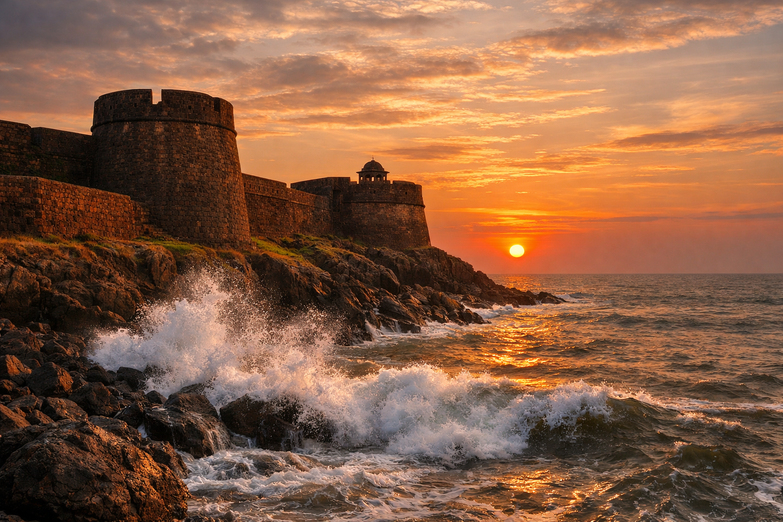
Kasaragod holds two of the most distinctive landmarks in the entire state. First and foremost, Bekal Fort stands as the largest and most iconic fort in Keralam. Builders constructed it around 1650 AD using laterite stone along a dramatic stretch of the Arabian Sea. As a result, the site is a paradise for photographers and history enthusiasts.
Temples of the Unique District of Kasaragod
Equally fascinating is the Ananthapura Lake Temple. According to tradition, this temple is the moolasthanam (original abode) of the deity at the famous Sree Padmanabhaswamy Temple in Thiruvananthapuram. Notably, this is the only lake temple in Keralam. Beyond its architecture, the temple is associated with a well-known legend involving a resident crocodile. Resultantly, the story of Babiya, the sacred crocodile, continues to captivate devotees and curious travelers alike. To understand the purity of the silver and gold offered at these shrines, check our guide on Understanding BIS Hallmark.
Seven Languages of the Unique District of Kasaragod
Perhaps the most distinctive fact about the Unique District of Kasaragod is its remarkable linguistic diversity. The district proudly bears the title of Saptha Bhasha Sangama Bhoomi, which translates to the “Land of Seven Languages.” While Malayalam remains the primary language, many residents actively speak Kannada, Tulu, Beary, Konkani, Marathi, and Urdu.
As a result, visitors often hear several different languages within a single marketplace. This diversity reflects the district’s long history of trade and migration. Moreover, the region maintains strong bonds among Hindu, Muslim, and Christian communities. Therefore, local festivals often draw shared participation, creating a social environment that feels notably warm and inclusive.
Culinary Identity of the Unique District of Kasaragod
The cuisine of Kasaragod clearly reflects its cross-border heritage. Because the district shares ties with coastal Karnataka, the food combines Malabar and Tuluva flavors. For example, Neer Dosa—a thin rice crepe—differs significantly from the thicker versions found elsewhere. Similarly, Kori Sukka features chicken coated in roasted spices, drawing directly from Mangalorean traditions.
Additionally, Kasaragod Biryani carries a bold, fiery identity thanks to its generous use of green chillies. Dishes like Ottupola and Goli Baje add further variety to the local scene. Visitors frequently recommend restaurants like Oryx Village or Viceroy for a taste of these regional specialties. However, menus change seasonally, so you should always check current offerings before you arrive.
FAQ: Unique District of Kasaragod
What is the best time to visit Kasaragod?
The ideal time is between October and March. This period offers pleasant weather and coincides with the primary Theyyam performance season.
Why is Bekal Fort so famous?
It is the largest fort in Keralam and offers stunning views of the Arabian Sea. It has also served as a popular filming location for many Indian movies.
How many languages are spoken in Kasaragod?
Seven languages are primarily spoken: Malayalam, Kannada, Tulu, Beary, Konkani, Marathi, and Urdu. Consequently, it is known as the Land of Seven Languages.
Is there really a crocodile in the Lake Temple?
Yes. Historically, a sacred crocodile named Babiya lived there for decades. After her passing in 2022, a new crocodile was spotted in the lake in late 2023.
How do I reach Kasaragod?
The district is well-connected by rail and road. The nearest airport is Mangaluru International Airport, located about 60 kilometers away in Karnataka.
Disclaimer
This article serves informational purposes only. Restaurant menus and operating hours for landmarks may change. Always verify current details with official tourism sources or local authorities before finalizing your travel plans. The author has no financial affiliation with the businesses mentioned.