Introduction to Gemstone Buying Motivations
Most people mistakenly believe that only the ultra-rich purchase rare gemstones and fine jewelry. However, in 2026, that picture is far from complete. Everyday people—including teachers, nurses, and young professionals—actively save up for meaningful jewelry pieces. They do this not just because a gemstone looks beautiful, but because it satisfies specific gemstone buying motivations.
In fact, the reasons behind jewelry purchases go well beyond simple status. People buy gemstones to celebrate milestones, reward themselves for hard work, and hold onto something that feels permanent. Furthermore, attitudes toward luxury have shifted significantly. Today, more people buy jewelry for themselves rather than waiting to receive it as a gift. Consequently, this article explores why everyday consumers choose to invest in rare gems and why these decisions make sense. You should also read our guide on gemstone buying basics to ensure you understand quality standards before starting your collection.
Rarity and Scarcity as Gemstone Buying Motivations
Human beings naturally desire objects that are difficult to obtain. Psychologists call this the “scarcity principle”—the idea that limited availability makes an item feel more valuable. As a result, rare gemstones tap directly into this ancient instinct. Stones like Kashmir sapphires, Burmese rubies, and natural pink diamonds exist in very small quantities. Nature creates them under unusual geological conditions; therefore, no two are exactly alike.
A clear example of this occurred when the Argyle mine in Australia closed in 2020. Because this mine produced over 90% of the world’s pink diamonds, supply stopped forever. Consequently, prices for these stones rose sharply, with some categories gaining nearly 40% in value. Buyers understood that they were holding something truly irreplaceable. You can learn more about gemstone rarity and formation at Gem-A – The Gemmological Association of Great Britain.
How Color Psychology Affects Gemstone Buying Motivations
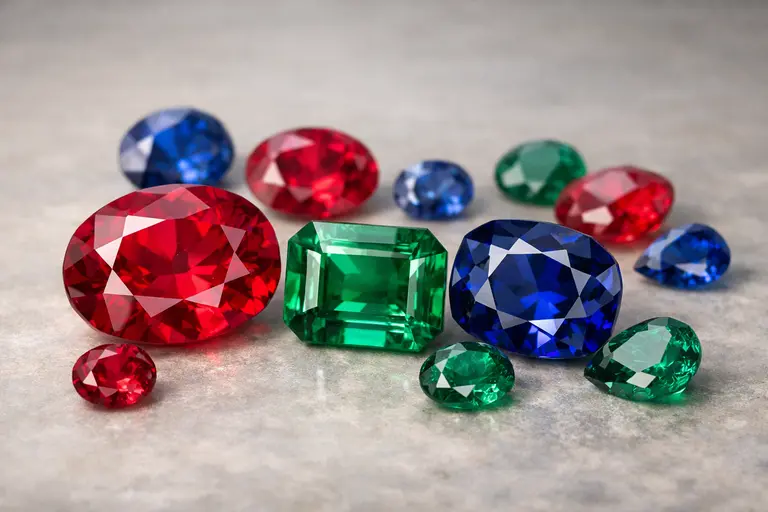
Color plays a remarkably powerful role in why people choose one gemstone over another. Specifically, different hues trigger different emotional responses. Buyers often select stones that reflect how they feel or who they want to become. For example, blue gemstones like sapphire and tanzanite commonly evoke feelings of trust and loyalty. That is why so many couples choose them for engagement rings.
On the other hand, red gemstones like ruby carry associations with passion and bold confidence. This makes them a natural choice for people who want jewelry that makes a statement. Meanwhile, green stones like emeralds represent growth and renewal. Although color psychology is not a rigid science, jewelry retailers consistently notice these emotional patterns. In many cases, a buyer connects deeply with a color because it reflects a true part of their personality. The International Colored Gemstone Association offers detailed guides on how colors affect these buying decisions.
Personal Identity in Gemstone Buying Motivations
For a long time, traditional white diamonds dominated the market. They symbolized social expectation and convention. However, this has changed considerably, especially among Gen Z buyers. Today, more consumers actively seek out colored gemstones because they want pieces that feel uniquely theirs. Instead of following mass-market trends, they look for jewelry that reflects their personal story and values.
For instance, someone might choose an emerald to symbolize personal growth after a difficult period. Another person might select a ruby during a major career transition because it represents the strength they carry. As a result, jewelry increasingly functions as “emotional armor”—a wearable reminder of what you have overcome. You may also read our article on Understanding BIS Hallmark to see how certification protects the identity and purity of your gold jewelry.
Self-Purchasing Trends and Gemstone Buying Motivations
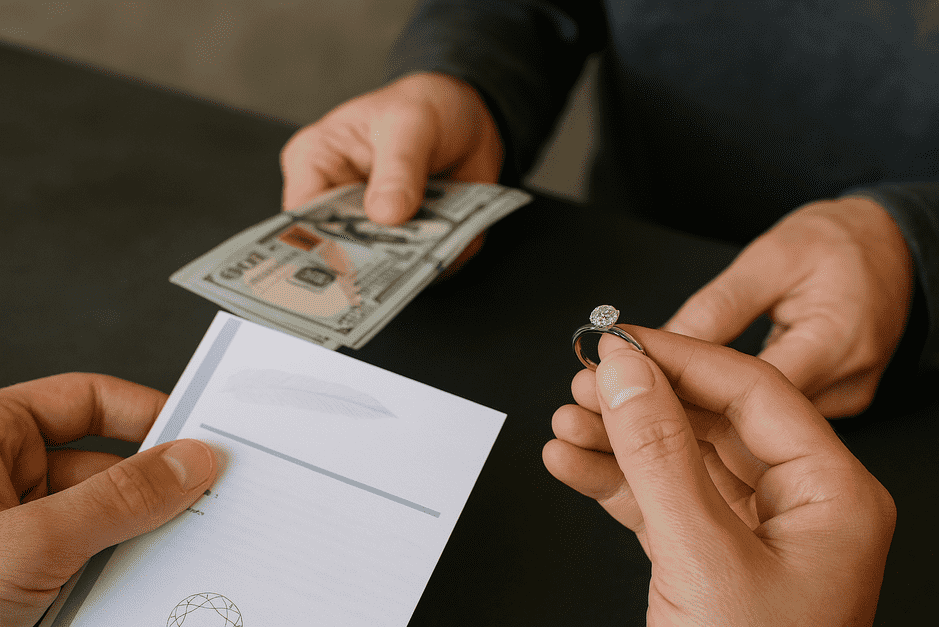
One of the most significant gemstone buying motivations today involves self-purchasing. Traditionally, jewelry advertising focused almost exclusively on romantic gifting. Since 1948, the famous “A Diamond Is Forever” campaign has shaped how the world thinks about diamonds. However, modern consumers now buy jewelry for themselves, and they feel very good about it.
This shift reflects real changes in financial independence. More women now treat a jewelry purchase as a personal reward for their own professional achievements. Likewise, many men buy gemstones or luxury watches to mark personal victories. Psychologists refer to this behavior as “self-reward spending.” Importantly, this behavior crosses all income levels. Even middle-class buyers save for one special piece because they know the emotional value will outlast almost anything else they could buy.
Financial Security and Gemstone Buying Motivations
During periods of economic uncertainty, many ordinary consumers look for ways to hold onto value in a physical form. This is one reason why gold and rare gemstones attract attention even from people who are not professional investors. Unlike stocks or digital assets, a gemstone is something you can actually touch. You can wear it, enjoy it every day, and eventually pass it down to your children.
Because of this, gemstones combine emotional enjoyment with long-term security. Natural colored stones benefit from a genuinely limited supply. Since no two stones are identical, everyday buyers believe that high-quality pieces will hold their appeal over time. Many consumers now distinguish between “soft luxury” (fashion items that go out of style) and “hard luxury” (fine jewelry that maintains relevance). The World Gold Council regularly explains why consumers continue viewing precious materials as meaningful stores of value.
FAQ: Common Gemstone Buying Motivations
Why are colored gemstones becoming more popular than diamonds?
Colored gemstones offer more room for self-expression. Buyers today prioritize individuality over traditional social expectations, making vibrant stones like sapphire and spinel more attractive.
Is it okay to buy high-end jewelry for myself?
Yes, absolutely. Self-purchasing is a major trend in 2026. Many people use jewelry as a “self-reward” to celebrate personal milestones or career successes.
Does the rarity of a stone affect its emotional value?
Yes. The knowledge that a stone is “hard to find” or “one-of-a-kind” makes the owner feel that their piece is irreplaceable, which strengthens the emotional bond.
How does color psychology affect my choice?
Different colors evoke different moods. For example, blue creates a sense of calm and trust, while red inspires energy and passion. You should choose the color that resonates with your current life stage.
Can I trust the quality of gemstones bought online?
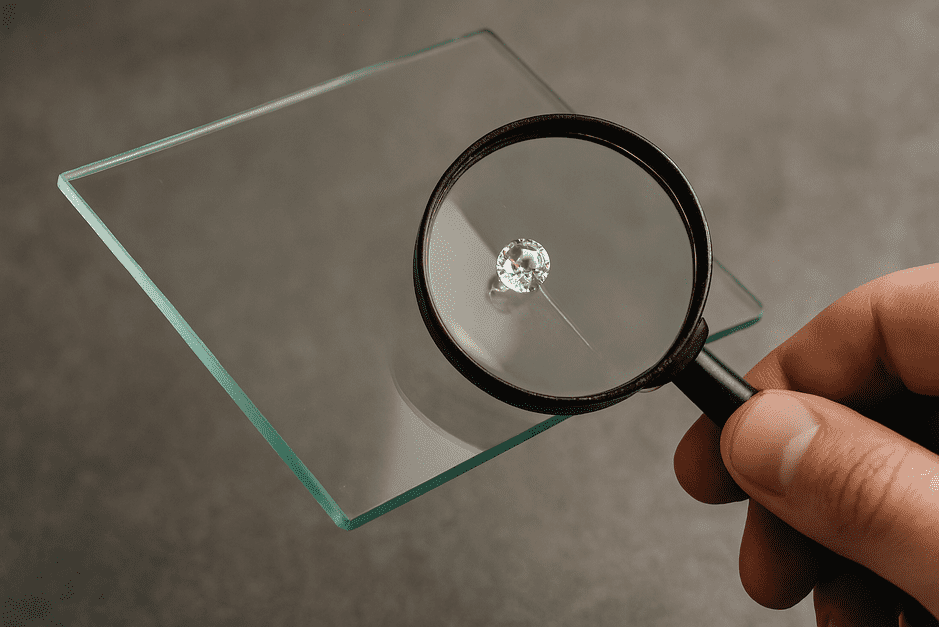
You should always insist on an independent laboratory report from an organization like the Gemological Institute of America (GIA) to verify the authenticity of your purchase.
Disclaimer:
This article is for educational purposes only. Consumer behavior varies significantly across different cultures and income groups. Gemstones and jewelry carry market risks and should not be viewed as guaranteed financial investments. Always consult with a certified gemologist or financial professional before making significant purchases. The author has no financial affiliation with the organizations linked in this guide.