
Introduction to Synesthesia and Gemstones
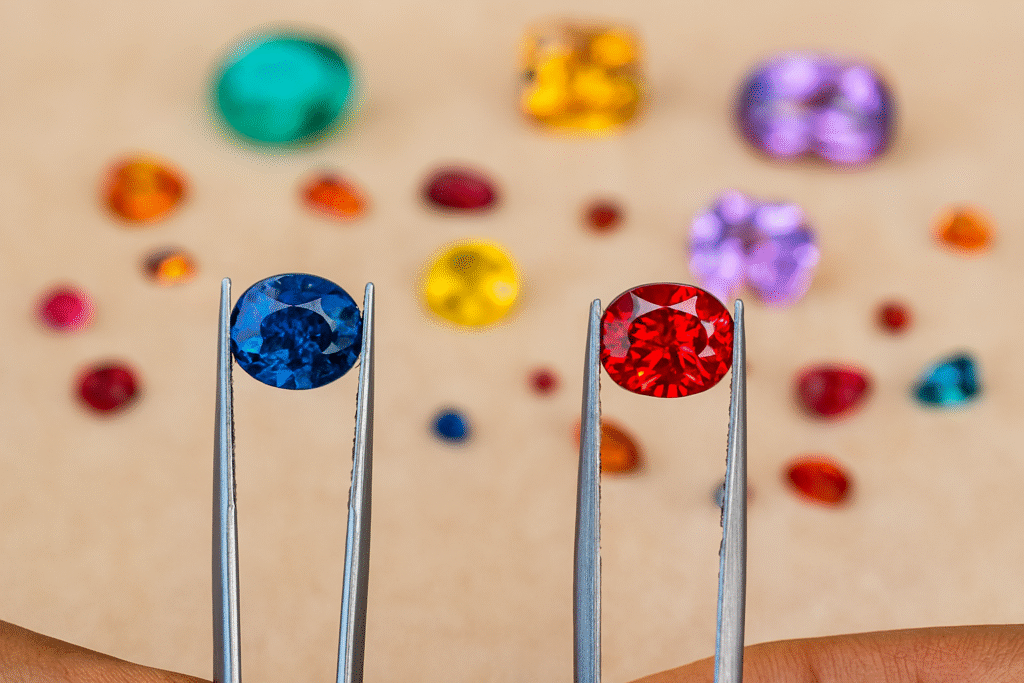
Most people judge a gemstone primarily by its physical sparkle, color, and brilliance. However, individuals living with the neurological phenomenon of synesthesia and gemstones experience these precious minerals in a completely different way. For a synesthete, a sapphire might seem to produce soft, melodic music. Similarly, an emerald might trigger a cool, calming sensation or even a specific taste. These are not imagined responses; instead, they are real, automatic, and consistent neurological reactions.
Synesthesia occurs when one sense automatically triggers another. For example, a sound might create a vision of colors, or a word might produce a flavor. Scientists do not classify synesthesia as a mental illness. On the contrary, they consider it a natural variation in how the human brain processes information. In the professional world of gemology, this condition can work as both a creative strength and a daily challenge. You should also read our guide on gemstone buying basics to understand how objective quality standards interact with personal sensory perception.
What Synesthesia and Gemstones Actually Feel Like
A person with synesthesia does not consciously choose these experiences. Instead, the brain triggers these associations automatically and without warning. Specifically, a person with “chromesthesia” may hear sounds when they look at certain colors or patterns of light. As a result, the brilliant sparkle of a diamond might mentally produce soft piano notes or metallic chimes.
Meanwhile, a person with lexical-gustatory synesthesia may experience flavors simply by hearing or reading certain words. Therefore, gemstone names like “ruby” or “emerald” might instantly create sensations of mint, spice, or citrus. Some people also link physical textures and deep emotions to specific colors. For this reason, one sapphire might feel velvety and calm, while another stone might feel sharp or energetic—even if both stones look nearly identical to an outside observer. Importantly, these sensory links stay stable for many years. In fact, researchers at the Cleveland Clinic use this consistency to scientifically identify the condition.
How Synesthetes See Diamonds and Colored Gemstones
People with synesthesia still see gemstones the same way everyone else does. They recognize the same cuts, inclusions, and color saturations that a trained gemologist would notice. However, their brains simultaneously create extra layers of sensory experience on top of the visual input. For instance, a high-quality diamond might trigger internal sounds or complex geometric mental imagery.
Associative vs. Projective Perception
Researchers typically describe two main types of this sensory blending. First, “associative synesthesia” means the extra sensations remain entirely internal. The person mentally hears a sound, but the experience stays inside the mind. Second, “projective synesthesia” involves the person perceiving colors or shapes as if they exist outside the object itself. However, this form is significantly less common. Interestingly, these sensory associations can actually strengthen memory. Consequently, some synesthetes recall color shades with remarkable precision—a genuine advantage when evaluating synesthesia and gemstones.
Can You Build a Career with Synesthesia and Gemstones?
Yes, and many individuals do so very successfully in 2026. The diamond and colored stone business depends heavily on color recognition and visual memory. As a result, synesthesia can give certain professionals a meaningful competitive edge. For example, a synesthetic gem dealer might quickly spot a stone that disrupts the visual harmony of a parcel.
Advantages in the Gemstone Industry
Similarly, a colored stone specialist might remember difficult hues more easily because each color triggers a unique emotional response. You can explore more about sensory-based gemstone perception in our guide to gemstone color psychology. However, synesthesia does not replace formal gemological training. Official grading still depends on scientific standards developed by organizations such as the Gemological Institute of America (GIA). Therefore, successful synesthetic professionals treat their sensory experiences as personal insights rather than a substitute for objective laboratory grading.
Challenges of Synesthesia and Gemstones in Retail
Despite its advantages, synesthesia can also create real difficulties in busy jewelry settings. Jewelry stores and trade fairs typically contain bright spotlights, loud conversations, and constant movement. Consequently, some synesthetes experience sensory overload after extended exposure to these environments. Bright lighting may trigger distracting sounds or confusing mental imagery.
To manage these challenges, many synesthetes develop practical coping strategies. Specifically, some prefer neutral gray backgrounds when grading stones to minimize “sensory noise.” Others use softer lighting or scheduled short breaks to reduce overstimulation. These simple adjustments help them maintain professional accuracy throughout the workday. This level of self-awareness is essential for anyone balancing synesthesia and gemstones in a professional capacity.
Connecting with Jewelry Clients via Synesthesia
Luxury jewelry is emotional by nature. People purchase diamonds during important life moments, such as engagements or anniversaries. Therefore, emotional storytelling plays a powerful role in jewelry sales. Many synesthetes naturally describe gemstones in vivid, emotionally engaging ways.
Instead of relying only on technical jargon, they might describe a sapphire as “deep and calm” or a spinel as “bright and energetic.” As a result, clients may feel a stronger emotional connection to the stone. At the same time, experienced professionals understand the importance of balance. Analytical buyers want certifications and data. In contrast, emotional buyers respond more strongly to personal storytelling. For this reason, successful synesthetic professionals learn when to lead with facts and when to lean into the sensory experience. You can also explore how diamond brilliance influences human perception for a deeper look at this topic.
FAQ: Synesthesia and Gemstones
Is synesthesia rare in the jewelry world?
Researchers estimate that roughly 3–4 percent of the general population experiences some form of synesthesia. Given the sensory nature of the jewelry industry, it may be even more common among designers and gemologists.
Does synesthesia affect how people perceive diamond quality?
It does not change the physical grade of the diamond. However, it adds a layer of subjective sensory data, such as a sound or texture, that can make the grading process feel more intense for the synesthete.
Can I develop synesthesia later in life?
True synesthesia is typically present from early childhood. If you experience sudden sensory changes as an adult, you should consult a doctor, as this can indicate a neurological issue.
Do all synesthetes see the same colors for the same stones?
No. Synesthetic associations are highly personal. One person might “hear” a C-major chord when looking at an emerald, while another might experience the taste of mint.
Is there a cure for synesthesia?
Synesthesia is not a disease, so it does not require a cure. Most people who have it view it as a gift that enhances their appreciation of the world around them.
Disclaimer
This article is for educational purposes only. It does not provide medical or neurological advice. Anyone experiencing sudden sensory changes should consult a qualified healthcare professional. The author holds no financial affiliation with the institutions mentioned.