Introduction to Humanity’s Gold Trust
For more than 6,500 years, gold has held our attention like no other material on Earth. Empires chased it, kings locked it in massive stone treasuries, and modern families still pass it down through generations. Specifically, humanity’s gold trust exists because this metal represents far more than simple decoration. Over time, it became a universal symbol of power, survival, and economic confidence. While diamonds, rubies, and platinum inspire great desire, none of them matches gold’s reach across ordinary households and global governments. Consequently, this article explores the unique combination of psychology and chemistry that sustains this obsession. You should also read our guide on gemstone buying mistakes to understand how gold serves as a more stable financial anchor than many colored stones.
Historical Origins of Humanity’s Gold Trust
Long before stock markets or digital banking existed, early civilizations discovered this shining metal naturally in rivers. Unlike iron, it did not rust. Unlike silver, it resisted tarnish. Furthermore, unlike gemstones, it required no complex cutting to reveal its inherent beauty. As a result, early societies treated it as a sacred substance. Ancient Egyptians linked gold to the sun god, Ra, and filled pharaohs’ tombs with golden treasures to connect earthly power to eternal life.
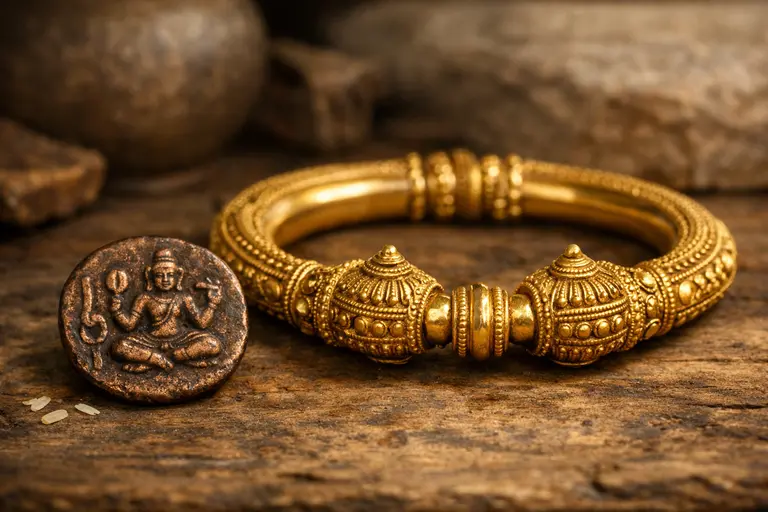
Similarly, civilisations in India, China, and the Americas tied the metal to royalty and political authority. In fact, archaeologists have discovered gold artifacts dating back to 4,500 BCE. From the very beginning, this metal mattered deeply to every culture that found it. This cross-cultural consensus built the early foundation of humanity’s gold trust. For deeper historical insights, you can visit the World Gold Council.
Monetary History and Humanity’s Gold Trust
Gold did not remain merely a religious symbol for long. Instead, it became one of history’s first trusted monetary systems. Around 600 BCE, the Lydians introduced standardized coins made from “electrum,” a natural gold-silver alloy. Consequently, commerce changed dramatically because merchants could finally exchange measurable, recognized value efficiently.
This shift transformed gold from a spiritual icon into a practical economic anchor. Perhaps no story illustrates this better than the pilgrimage of Mansa Musa in 1324. The Mali emperor distributed so much gold in Cairo that regional markets took over a decade to recover. His journey revealed a timeless economic principle: scarcity creates value. Even in 2026, that delicate balance between rarity and global confidence shapes gold pricing every single day.
Why Humanity’s Gold Trust Beats Diamonds
Natural diamonds are extraordinary luxury symbols, and rare colored diamonds fetch astonishing prices at elite auctions. Nevertheless, diamonds do not function with the same financial fluidity as gold. For the 99% of everyday buyers, this gap is significant.
One gram of pure gold carries the same value as another gram anywhere on the planet. Diamonds, by contrast, depend heavily on cut, clarity, and individual buyer perception. Because of this extreme variability, they struggle to serve as a universally accepted store of wealth. Moreover, artisans can melt and divide gold without destroying its intrinsic worth. In contrast, if you cut a large diamond into smaller pieces, you lose a massive percentage of the total value. Consequently, families view gold as practical security, while they see diamonds primarily as emotional or status-driven purchases. For internationally recognized pricing standards, refer to the London Bullion Market Association (LBMA).
Gemstones vs. Humanity’s Gold Trust
Rubies, sapphires, and emeralds can reach breathtaking prices in collector markets. Even so, they remain specialist assets rather than universal financial tools. For instance, an exceptional Burmese ruby may sell for millions; however, finding the right buyer requires deep expertise and access to niche networks.
Humanity’s gold trust relies on the fact that gold is sold easily in almost any city in the world. Across India and the Middle East, gold jewelry serves a dual role: daily adornment and emergency savings. Therefore, consumers frequently purchase bangles and coins as a portable, wearable financial safety net. No colored gemstone can match this level of immediate liquidity for the average household. You may also read our article on Understanding BIS Hallmark to see how certification protects the resale value of your gold.
Institutional Roots of Humanity’s Gold Trust
Science also explains much of gold’s enduring appeal. Chemically, gold is remarkably stable. It resists corrosion, withstands moisture, and retains its lustre for centuries without requiring special care. Due to this stability, buyers gain confidence that gold maintains its value over extended periods.
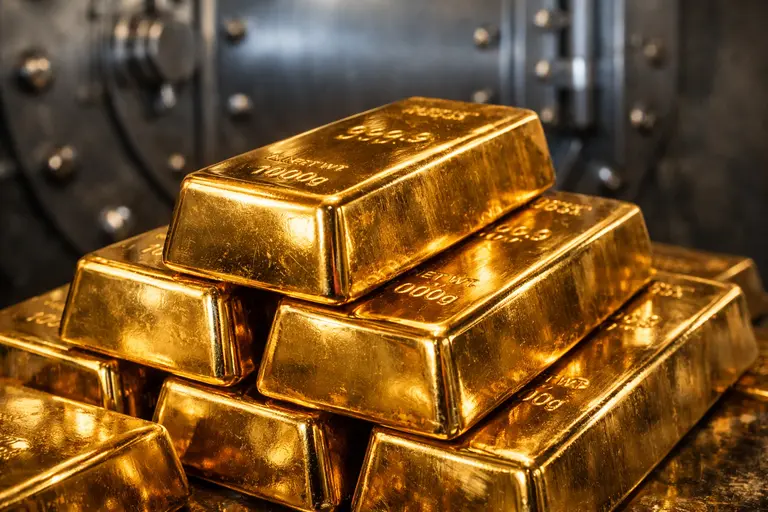
Furthermore, central banks around the world do not fill their reserve vaults with gemstones. Instead, they continue to store gold in massive quantities. This choice reveals gold’s unmatched institutional credibility. Unlike paper currencies, gold carries no “issuer risk.” No government can simply print more of it at will. Therefore, many nations have strategically increased their reserves in 2026 to address modern concerns about sovereignty and financial stability.
The Psychology of Humanity’s Gold Trust
Warren Buffett once observed that humanity digs gold out of the ground only to bury it again in vaults and pay guards to watch it. While this criticism sounds rational, it misses the fundamental psychological power of the metal. Humanity’s gold trust is essentially an inherited confidence system.
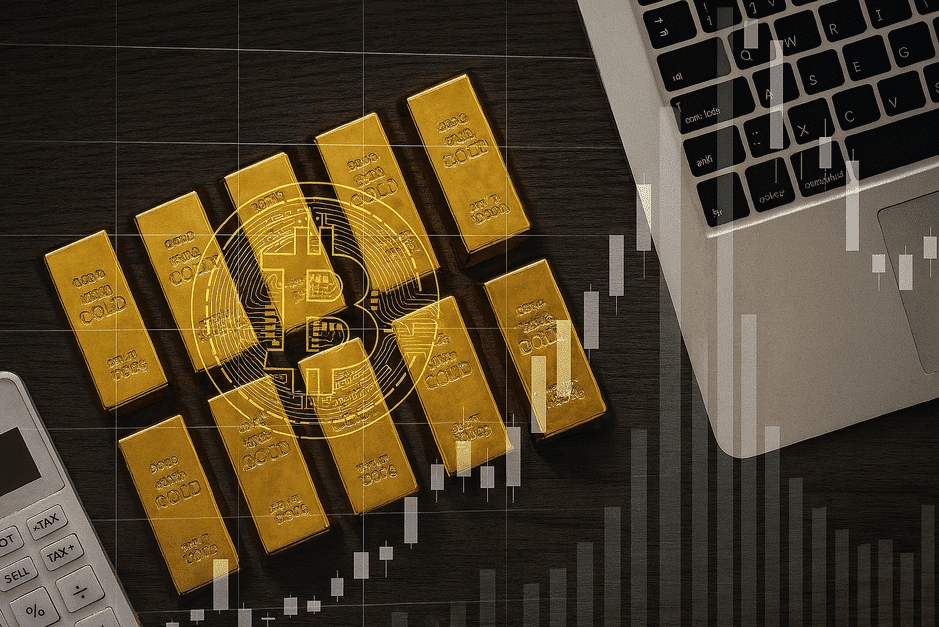
People value gold because previous generations valued it. This belief has survived wars, currency collapses, and technological revolutions. Ultimately, gold’s value flows not only from its physical scarcity but also from collective human faith. In a world where digital assets can vanish with a software glitch, the physical reality of a gold bar offers a level of reassurance that few other things can provide.
FAQ: Humanity’s Gold Trust
Can diamonds ever replace gold as a global reserve?
No. Diamonds lack the universal “fungibility” of gold. Every gold bar is identical in value based on weight, whereas every diamond is unique and difficult to price instantly.
Is gold still a good hedge against inflation in 2026?
Yes. Historically, gold maintains its purchasing power over the long term, making it a primary tool for those looking to protect their wealth from devaluing currencies.
Why is gold so important in Indian culture?
In India, gold represents more than wealth; it signifies auspiciousness and family security. It is often the first asset a family buys to ensure generational stability.
Are lab-grown metals a threat to gold’s value?
Unlike lab-grown diamonds, you cannot “grow” gold in a lab. Gold is a chemical element created in stars, meaning the supply remains naturally limited by the Earth’s geology.
How do I check the purity of my gold jewelry?
In India, you should always look for the BIS Hallmark and verify the 6-digit HUID code using the official BIS Care app on your smartphone.
Disclaimer
This article is for educational purposes only and does not constitute financial or investment advice. Gold markets are subject to volatility and risk. Always conduct your own research and consult a qualified financial professional before making significant investment decisions. The author has no financial affiliation with the institutions linked.