Introduction to the Seconde Seconde Watch Business Model
Most people assume that building a successful enterprise in the horological world requires manufacturing every component from scratch. However, Romaric André proved this theory wrong. Through his distinctive brand, he successfully built a globally recognized label without owning a single factory. Instead, he utilized the Seconde Seconde Watch Business Model, which relies on creativity, humor, and smart partnerships to reshape how people experience timepieces. Specifically, he transformed the “seconds hand” into a canvas for cultural commentary. This article breaks down exactly how he achieved this and what everyday entrepreneurs can learn from his unconventional approach. You should also read our guide on gemstone buying mistakes to understand how quality and branding standards apply to all high-value luxury acquisitions.
Founding the Seconde Seconde Watch Brand
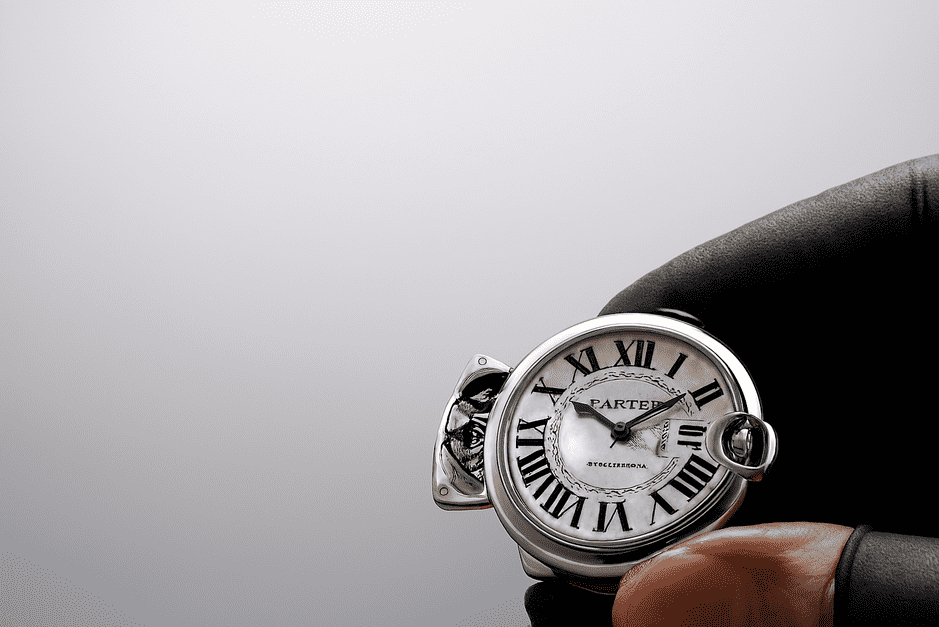
Romaric André launched his journey by modifying vintage watches in a way that no one had attempted before. Rather than altering the movement or the technical internals, he focused entirely on visual storytelling. Specifically, he replaced the traditional hands—especially the seconds hand—with playful symbols, pixel art, and pop-culture references.
Consequently, that one simple change transformed a serious vintage watch into a loud cultural statement. Furthermore, André preserved the original craftsmanship in most of his early projects, which helped him build immediate trust with established collectors. As a result, his work felt more like an artistic reinterpretation than simple destruction. This distinction matters enormously in the conservative world of horology. This early phase established two critical assets: creative credibility and a highly recognizable artistic identity. For an insight into how independent makers are featured, visit Fratello Watches.
Core Elements of the Seconde Seconde Watch Business Model
At its core, the Seconde Seconde Watch Business Model runs on “creative intervention” rather than traditional industrial manufacturing. In other words, André does not require a factory, a complex supply chain, or proprietary movements to run a successful business.
Design Intervention in the Seconde Seconde Model
Instead, the model operates through a simple but effective synergy. Established brands bring the manufacturing expertise, global distribution, and brand history. Conversely, Seconde Seconde brings a fresh creative narrative through design disruption. Together, both sides create a product that neither could produce alone. Additionally, the brand releases these collaborations in strictly limited quantities. This scarcity drives collector demand and creates immediate urgency without requiring massive production runs. As a result, the business effectively minimizes financial risk while maximizing both artistic and commercial impact.
Why Humor Powers the Seconde Seconde Business
Traditionally, luxury watch brands project an image of extreme seriousness and technical mastery. However, many younger buyers today desire something more relatable, expressive, and fun. The Seconde Seconde Watch Business Model recognized this market gap very early. Consequently, André leaned into irony, gaming culture, and internet references to make watches feel accessible.
Moreover, those unconventional designs became instantly shareable on social media platforms like Instagram. This expanded the brand’s visibility far beyond traditional collector communities. For example, a watch featuring a clever internet-inspired joke connects directly with digital-native audiences. Those buyers not only wear the watch, but they also talk about it and recommend it to others. Therefore, humor functions as a low-cost, high-impact marketing strategy that outperforms traditional advertising. You may also read our article Understanding BIS Hallmark to see how certification builds trust in more traditional sectors.
Collaboration in the Seconde Seconde Watch Strategy
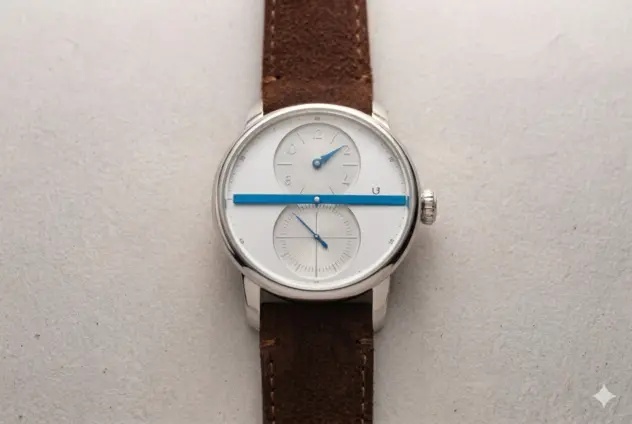
One of the smartest decisions Romaric André made was to choose collaboration over competition. Instead of trying to become another traditional manufacturer, he partnered with respected brands such as Citizen, Timex, and Louis Erard.
This strategy works because each partner contributes their specific strength. For instance, a partner like Citizen handles reliable manufacturing at scale, while Seconde Seconde adds the distinctive storytelling element. Furthermore, this collaborative approach reduces the operational burden on André. He does not manage workers or oversee complex shipping logistics. Instead, he focuses entirely on the creative work that makes the brand valuable in the first place. For small business owners, this collaborative framework offers a replicable path to success.
Scarcity in the Seconde Seconde Watch Business Model
Scarcity sits at the absolute center of the Seconde Seconde Watch Business Model. Because most collaborations release in limited batches, buyers feel a constant sense of urgency. If a collector hesitates even for a few minutes, they likely miss the opportunity to purchase.
However, scarcity serves more than just a marketing purpose. From a business operations perspective, smaller production runs reduce the risk of overproduction. Consequently, the brand avoids the financial exposure that often sinks larger, less agile manufacturers. Additionally, limited-edition releases create stronger emotional engagement. Buyers feel they own a piece of horological history that is genuinely distinctive. Over time, this emotional connection builds long-term loyalty and drives word-of-mouth referrals across the globe.
Business Lessons from the Seconde Seconde Approach
The story of this brand carries practical lessons for the 99 percent—people who may not have access to massive capital or luxury connections. Specifically, the brand proves that a clever idea often outperforms a large budget. It also demonstrates that humor can drive commercial relevance, as making people smile builds a genuine human connection.
Furthermore, partnerships reduce risk, which means you do not need to do everything yourself. In addition, scarcity strengthens demand, proving that “less” can genuinely be “more” in a crowded marketplace. Most importantly, storytelling transforms products, turning a familiar object into something culturally meaningful. Above all, these principles apply far beyond watches. As a result, the biggest barrier to entry is rarely your resources; it is usually your imagination.
FAQ: Seconde Seconde Watch Business Model
Who exactly is Romaric André?
He is a Paris-based artist and entrepreneur who founded Seconde/Seconde/ to bring “creative vandalism” to the traditional watch world.
Does Seconde Seconde make its own watches?
No, the brand focuses on co-design and modification. They partner with existing manufacturers to produce official, limited-edition collaborations.
Why are the “seconds hands” always different?
Replacing the seconds hand is the brand’s signature move. It allows André to add a small pop of color or humor without distracting from the overall watch design.
Which brands has he collaborated with?
Notable partners include Louis Erard, H. Moser & Cie, Timex, Spinnaker, and Squale, ranging from entry-level to high-luxury tiers.
Is the Seconde Seconde Watch Business Model profitable?
Yes, by reducing overhead costs and focusing on high-demand, limited releases, the brand maintains strong profit margins and a loyal following.
Disclaimer
This article is for educational purposes only. Brand collaborations and market values change over time. Always verify current details through official sources before making a purchase. The author has no financial affiliation with the brands mentioned in this article.