Introduction
Most people spend their lives trying to fit into a standard mold. Specifically, society rewards sameness, schools reward conformity, and workplaces often reward predictability. However, life rarely creates extraordinary people through perfect symmetry alone. That is why the metaphorical journey to be a fancy cut diamond matters so much in our modern world.
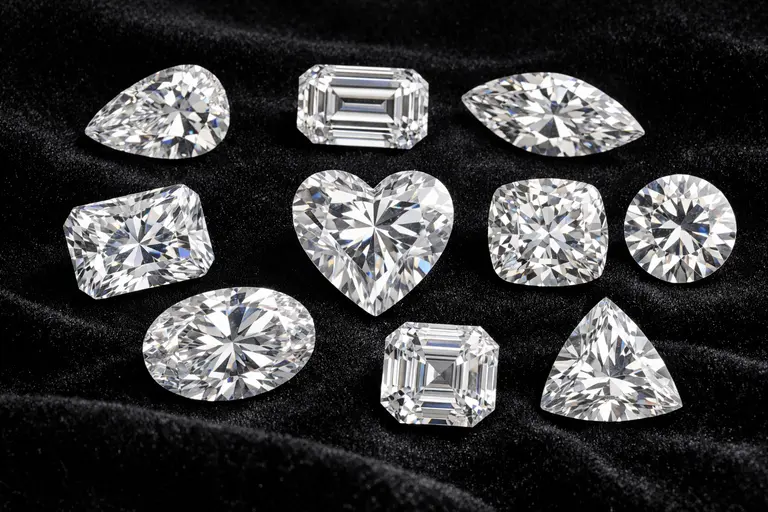
A fancy cut diamond is any diamond shape other than the traditional round brilliant. For example, oval, pear, emerald, marquise, cushion, radiant, and heart cuts all belong to this specialized family. Moreover, each shape carries its own personality, technical strengths, and visual language. Unlike round diamonds, fancy cuts do not follow one strict formula for beauty. Instead, they celebrate individuality and distinctive character. As a result, many modern buyers now prefer these shapes because they reflect personal style rather than mass-market uniformity. You should also read our guide on gemstone buying mistakes to understand how to evaluate the quality of these unique shapes before you invest.
Why Uniqueness Needs Different Standards
Round brilliant diamonds dominate the global jewelry market because they follow highly standardized proportions. Therefore, manufacturers know exactly how to cut them for maximum light return. To be a fancy cut diamond, however, you must understand that different shapes work according to different rules.
An oval diamond does not behave like an emerald cut. Likewise, a pear shape does not reflect light as well as a radiant cut. Consequently, each unique shape requires different expectations and different measurements of beauty. Life works in the same way. You cannot measure every person using one universal standard. Some people communicate well in crowds. Meanwhile, others solve complex problems quietly behind the scenes. Similarly, some lead teams naturally, while others create brilliant ideas independently. Nevertheless, society often pressures people to become “round diamonds” because standardization feels safer. To explore the technical grading of these shapes, visit the Gemological Institute of America.
Your Personal Story Matters More Than Perfection
Fancy shape diamonds often attract buyers who want emotional meaning instead of mass-market sameness. In other words, people increasingly want jewelry that reflects their identity. For instance, a pear shape may symbolize tears of joy. Likewise, a heart shape represents romance, while a marquise cut creates a dramatic visual statement.
Today, consumers increasingly want products that reflect authenticity. You can see this trend in fashion, food, and technology. People no longer want only status symbols; instead, they want meaning. This shift matters because storytelling creates value. You do not need wealth or privilege to have a meaningful story. On the contrary, your struggles, sacrifices, and experiences shape your identity more deeply than perfection ever could. Therefore, your life gains depth through authenticity rather than a flawless presentation. You may also read our article on Understanding BIS Hallmark to see how certification protects the “story” and value of your precious metals.
The Sacrifice Required for Growth
Every polished gem begins as a rough stone. However, the rough crystal rarely resembles the final finished product. During the cutting process, a master cutter removes portions of the original crystal to create shape and balance. To be a fancy cut diamond, you must undergo a specific level of rough material sacrifice depending on your desired design.
This process carries an important life lesson: growth requires removal. Sometimes you must remove unhealthy relationships. Likewise, you may need to leave limiting environments or abandon outdated beliefs that no longer serve your future. Those decisions often feel painful because they reduce comfort. Nevertheless, they create clarity, purpose, and emotional freedom. A diamond cutter studies every angle carefully before making irreversible cuts. Similarly, you must make thoughtful decisions about what to keep in your life. The process may reduce your “weight,” but it significantly increases your brilliance.
Understanding the Bow-Tie Effect
Certain elongated cuts, especially oval and pear shapes, may develop a dark shadow across the center. Jewelers call this the “bow-tie effect.” When a cutter fails to manage light properly, the diamond loses its beauty despite having an attractive outer shape. Human life often works the same way. Many people look polished on the outside while carrying internal stress or exhaustion. Therefore, external appearance alone never guarantees true brilliance. You must work on your internal balance as carefully as your external presentation. Otherwise, hidden strain eventually becomes visible to everyone around you. You can find more details on light performance at Natural Diamonds.
Choosing the Right Environment to Shine
Round diamonds receive standardized cut grades from laboratories. Fancy cuts, however, require more personal evaluation because their beauty depends heavily on light performance in specific settings. As a result, a fancy cut may look different under different lighting conditions.
People also shine differently depending on their environment. Some individuals perform best in creative industries. Meanwhile, others thrive in structured corporate systems. Similarly, some people need total independence, while others grow through collaboration. Unfortunately, many people spend years in environments that suppress their natural strengths. A diamond cannot display its fire in total darkness. Likewise, you cannot grow in environments that constantly limit your confidence or opportunity. Therefore, the right environment does not merely improve your performance; instead, it helps reveal your hidden potential.
FAQ: Be a Fancy Cut Diamond
What does it mean to be a fancy cut diamond?
It is a metaphor for embracing your unique traits, career paths, and personality rather than trying to conform to a single “standard” definition of success.
Why are fancy cut diamonds growing in popularity?
Buyers in 2026 value personal expression and distinctive design. Additionally, fancy cuts often offer a larger visual “face” than round diamonds of the same weight.
What are the most common fancy shapes?
The most popular shapes include the Oval, Pear, Emerald, Cushion, Princess, Radiant, and Heart cuts. Each offers a different “sparkle” pattern.
Are fancy cut diamonds more expensive?
Usually, no. Round diamonds are typically the most expensive because they waste the most rough stone during cutting. Fancy cuts are often more efficient and thus more affordable per carat.
How do I care for a fancy cut diamond?
Because some shapes have pointed ends (like the Pear or Marquise), you should use protective settings like V-prongs or bezels. Clean them regularly with mild soap and a soft brush.
Disclaimer
This article is for educational and inspirational purposes only. Diamond pricing and characteristics vary based on market conditions and laboratory reports. Always consult a qualified gemologist or trusted jeweler before making a significant purchase. The author has no financial affiliation with the institutions linked.