Introduction
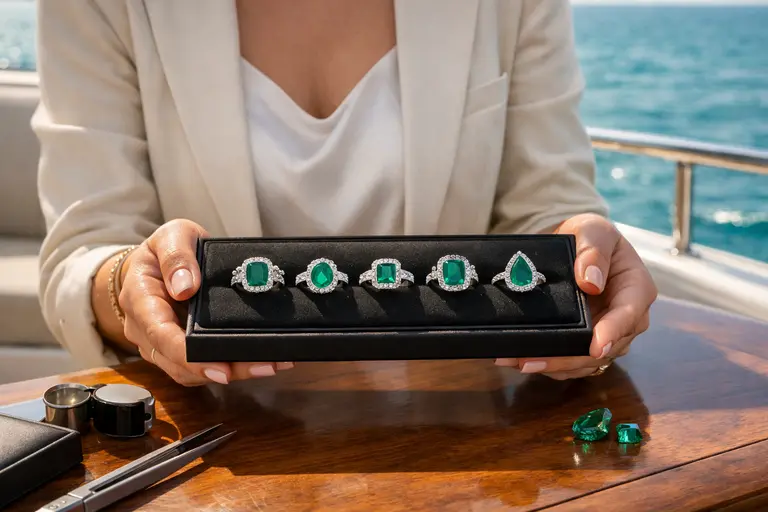
Imagine a professional jeweler stepping aboard a private vessel with a collection of rare diamonds and vibrant gemstones. The jeweler sets up an elegant display on the sun-drenched deck while the client browses in complete privacy as the ocean stretches toward the horizon. This is the Yacht Jewelry service—a sophisticated concierge model that brings high-end collections directly to the buyer. Although this concept primarily targets ultra-wealthy clients, it is quietly reshaping how jewelers in India serve everyday buyers as well. Specifically, if you have ever booked a home trial with a retailer, you have already experienced a version of this personalized model. Consequently, this article explains how the business works and why it matters to you. You should also read our guide on gemstone buying mistakes to understand how quality standards apply to both boutique and private purchases.
The Role and Responsibilities of a Yacht Jeweler
First, a professional jeweler begins the day well before boarding the vessel. The jeweler audits every piece in the collection—checking gemstone weights, metal settings, and certificates of authenticity—using secure protocols. Security, therefore, forms the absolute foundation of every visit. Once onboard, the presentation becomes deeply personal. Instead of a sterile store counter, the jeweler lays out pieces on a comfortable deck table. This matters because natural sunlight reveals a diamond’s true brilliance far better than artificial showroom lighting.
As a result, clients see exactly what they are buying in a real-world setting. Moreover, the relaxed environment encourages genuine conversation. This means the jeweler can explain the difference between gemstone cuts and ethical sourcing in a way that feels educational rather than sales-driven. Furthermore, customization often happens mid-voyage. A client might feel inspired by the color of the sea and ask the jeweler to sketch a bespoke ring on the spot. Finally, the jeweler often provides complimentary cleaning services using an ultrasonic bath to restore the luster of the client’s existing pieces. In short, the experience blends artistry and service in a way that no traditional retail environment can replicate.
Why Professionals Pivot to the Yacht Jewelry Model
Most jewelers who enter this specialized field describe it as the most fulfilling version of their craft. Specifically, they value the depth of the relationship that a private setting creates. Instead of serving dozens of walk-in customers per day, the jeweler focuses entirely on one client over several hours. This allows for “educational selling.” For instance, the jeweler can explain the complex history behind a Kashmir sapphire or the rarity of a natural pearl.
However, the role also demands extraordinary adaptability. The jeweler stays on call around the clock and coordinates with yacht captains for weather delays. Managing the logistics of transporting high-value pieces across international waters requires intense precision. Despite these challenges, the financial rewards are significant. A single session can generate six-figure sales. Additionally, jewelers gain creative inspiration from these elite environments, which directly influences the collections they design later for the general public. Overall, the trade-off between difficulty and reward strongly favors this model for experienced gemologists. To learn more about luxury service standards, visit Forbes’ luxury market analysis.
The Growing Market for Yacht Jewelry in India
India’s luxury jewelry sector is growing rapidly, and on-location services are becoming more common along the country’s coastline. Specifically, Mumbai and Goa attract the highest concentration of high-net-worth clients who own or charter private vessels. Several Indian brands already operate services that echo the Yacht Jewelry model on land.
Zoya and the High-End Concierge Experience
For example, Zoya from the House of Tata offers home trials and video-assisted consultations. They bring curated diamond collections directly to the client’s residence. Zoya operates exclusive boutiques in major cities such as Mumbai and Delhi, extending its service to ensure that clients enjoy a pressure-free experience. This approach demonstrates that the “concierge” philosophy is gaining traction in the Indian market.
Kalyan Jewellers and Consumer Assurance
Similarly, Kalyan Jewellers has built strong client trust through its 4-Level Assurance program. This program covers free lifetime maintenance and includes a global buyback guarantee. For families who regularly purchase gold and Polki jewelry, this kind of assurance provides real, practical value. You can find more details on these programs at Kalyan Jewellers’ official site. Meanwhile, India’s yacht tourism sector continues to develop. While infrastructure limits the current market, demand for onboard luxury services is expected to grow as new marinas open.
Why Everyday Buyers Should Follow Yacht Jewelry Trends
Even if a private vessel is never in your plans, this trend directly affects the jewelry market you shop in every day. When wealthy clients commission custom pieces inspired by natural settings, those design ideas eventually filter into mainstream collections. Therefore, styles that begin at sea often appear in urban boutiques within a few seasons.
For women in Kerala—traditionally India’s most dedicated gold buyers—this trend introduces a wider conversation about lightweight diamond alternatives. Additionally, the growing demand for ethically sourced gemstones is pushing retailers at every price point to be more transparent. As a result, this benefits all buyers. India’s overall jewelry market is currently valued at approximately $80 billion. Consequently, service models that begin in the luxury tier regularly trickle down to accessible formats. The home trial services that many mid-range jewelers now offer in South India draw directly from this Yacht Jewelry philosophy.
Essential Guidelines for Yacht Jewelry Consultations
Whether you are a jeweler or a client, you should follow specific guidelines to ensure a successful session. First, always respect the vessel’s “shoes off” policy and avoid using eco-unfriendly products near the water. Second, never photograph a client’s private areas without explicit permission. For security, always store each piece in an individual velvet pocket and use a biometric safe.
Furthermore, you must remove all jewelry before swimming or applying sunscreen. Chemicals like bleach or ammonia can permanently damage opals and pearls. Finally, always connect pieces to meaningful personal stories. For instance, a jeweler might compare a design to a Kerala bride honoring a family tradition. Never rely on hard-sell tactics in a private setting. This approach ensures that the Yacht Jewelry experience remains a hallmark of true luxury.
FAQ: Common Questions About Yacht Jewelry
Do Indian jewelers offer yacht-style services?
Yes. Brands like Zoya offer home trials and private consultations. As yacht tourism grows in Mumbai and Goa, more luxury brands are exploring onboard pop-up formats for elite clients.
Why do jewelers prefer this work over regular retail?
Settings like yachts allow jewelers to build deeper relationships and earn more per session. Most professionals find it more artistically stimulating than waiting for walk-in traffic in a showroom.
What security measures do yacht jewelers use?
They use armored transport cases, GPS tracking, and biometric safes. Specialist insurers set strict protocols that jewelers must follow without exception to protect the high-value inventory.
Can regular buyers access similar personalized services?
Absolutely. Many Indian luxury brands now offer home trial appointments inspired by this concierge model. You can book private consultations through major retailers to experience this firsthand.
How much does a yacht jewelry session typically cost?
These sessions carry a significant premium. Costs range from $10,000 to $50,000 depending on the exclusivity of the collection and the travel logistics involved in reaching the vessel.
Disclaimer
This article draws on publicly available sources and industry knowledge current as of April 2026. Services, brand offerings, and market conditions change frequently — always verify details directly with providers. This content is for general informational purposes only and does not constitute financial, legal, or gemological advice. Consult a certified gemologist for personalised guidance on any jewelry purchase.