Introduction
In the world of global commerce, two specific events stand as titans in their fields. In fact, the Netherlands Flower Auction (Royal FloraHolland) and the Tucson Gem, Mineral & Fossil Showcase are the premier hubs for their respective industries. Moreover, the Tucson Gem Show vs Netherlands Flower Auction represents a fascinating study in contrast. On one hand, you have the world’s most delicate and fleeting commodity: flowers. In stark contrast, the other involves the most enduring and timeless of assets: gemstones.
However, they share striking parallels. Both set global prices, draw international crowds, and rely on the physical inspection of goods. As a Gemologist who studies market dynamics, I see these two as the “Stock Markets” of the natural world. In this article, we will explore how tactile, high-stakes trade thrives in these powerhouses. Whether you are a dealer eyeing Tucson gems or fascinated by floral logistics, understanding these markets offers valuable insights into global commerce.
Similarities: Tucson Gem Show vs Netherlands Flower Auction
First, let’s look at the sheer scale. Both events dominate their industries worldwide.
The Flower Giant
Globally, the Netherlands exports more flowers than any other nation. Specifically, the Aalsmeer auction processes about 43 million blooms daily. This massive volume establishes benchmark prices that ripple across continents. If the price of Roses goes up in Aalsmeer, it goes up in New York and Dubai.
The Gem Giant
Similarly, the Tucson Gem Show reigns as the largest gem and mineral event globally. Every January and February, the desert city of Tucson, Arizona, transforms. It injects over $286 million in direct spending into the local economy. Attendees from Asia, Africa, Europe, and South America flock here, just as they do to Dutch auctions. You can read about the specific gems found here in my guide on NC Purple Honey and Four Peaks Amethyst (an Arizona native).
The Tactile Necessity
Moreover, tactile inspection remains essential. In an age of Zoom calls, you cannot buy these items digitally.
- Flowers: Buyers must check for freshness, stem strength, and bud opening.
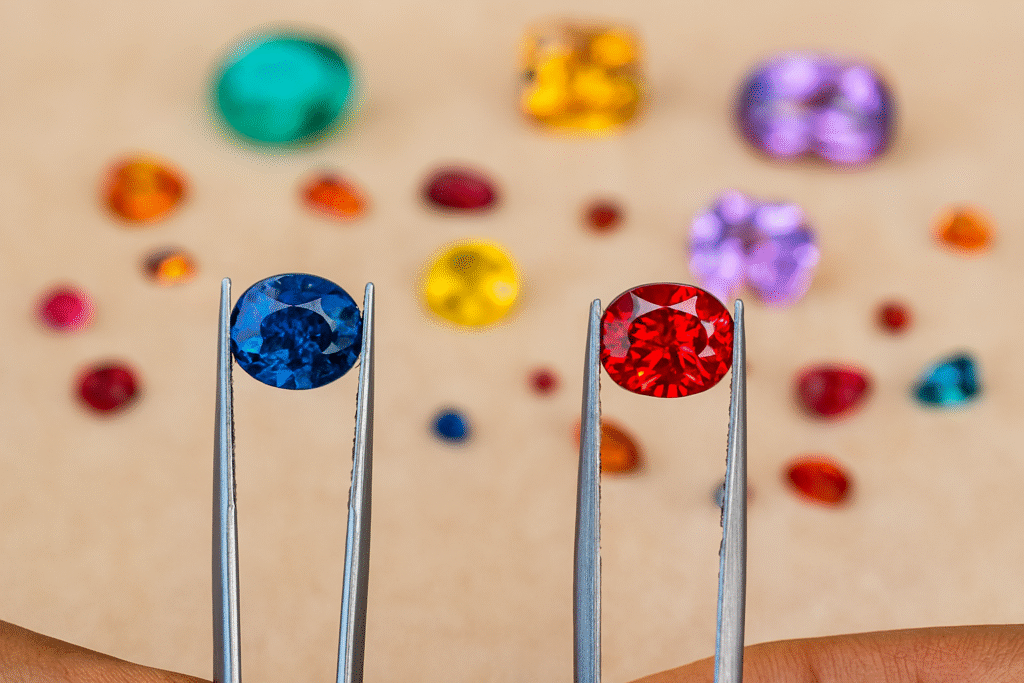
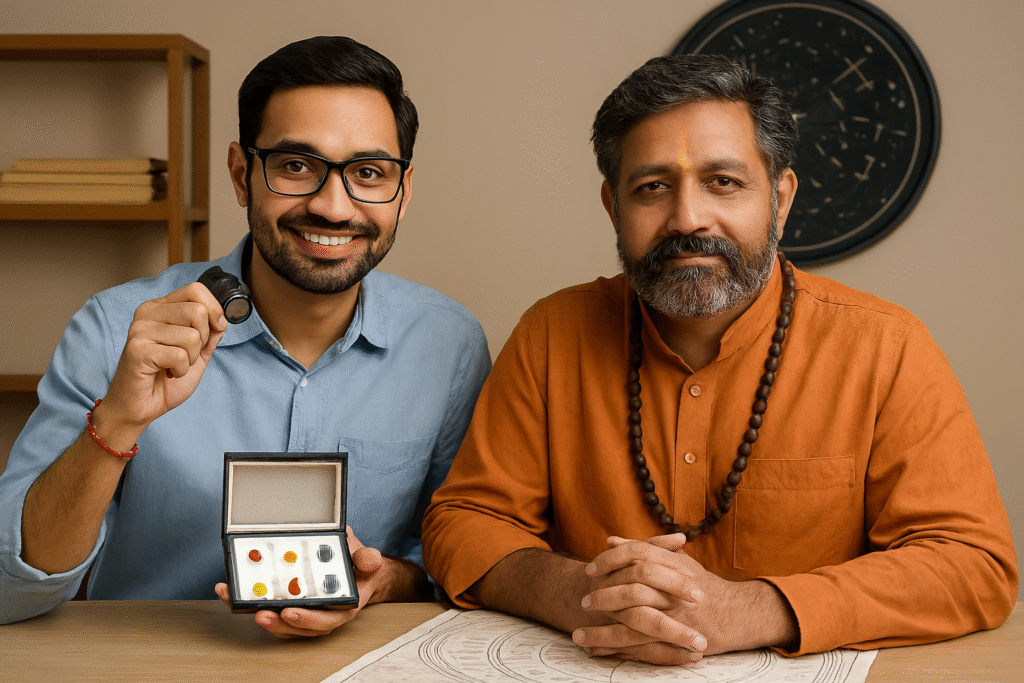
- Gems: Buyers must use a loupe to check for inclusions, color zoning, and authenticity. Thus, this hands-on ethos builds trust.
Differences: Tucson Gem Show vs Netherlands Flower Auction
Despite these overlaps, fundamental differences shape each market.
The “Clock” vs. The Negotiation
Undoubtedly, the most striking difference is Speed. In the Netherlands, flowers are perishable. They must be sold within hours of harvest. Therefore, they use the famous “Dutch Auction Clock.”
- How it works: The price starts High and drops rapidly. The first buyer to press the button wins.
- The Result: Deals are made in milliseconds. It is high-pressure and automated.
In contrast, Tucson is slow. Gemstones and fossils endure forever. A dealer can hold a stone for 10 years waiting for the right price. Consequently, Tucson fosters deliberate deal-making. Prices are negotiated over cups of coffee or dinner. It is a relationship business, not an algorithm. Read more about building relationships in Jewelry Sales Secrets.
Centralized vs. Decentralized
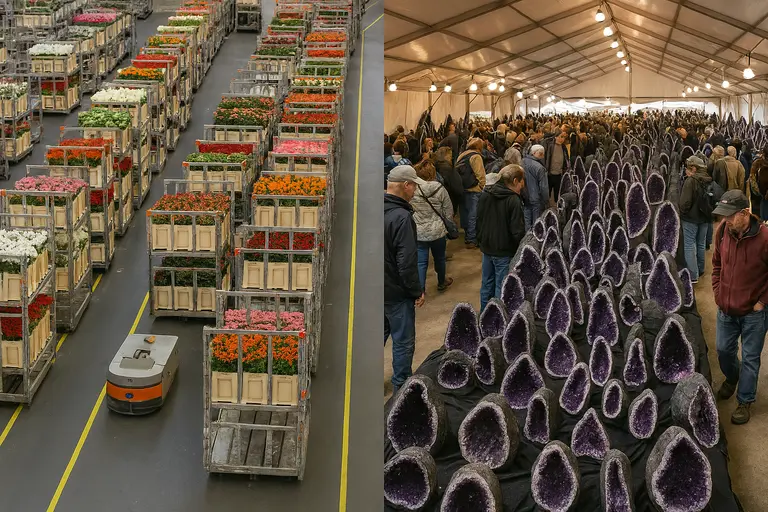
Royal FloraHolland is centralized. It happens in massive, high-tech auction halls with automated trolleys. Conversely, Tucson is decentralized. It is a dynamic network of over 50 simultaneous shows. Imagine tents in parking lots, ballrooms in hotels, and warehouses spanning the entire city. This sprawls organically, mirroring the diverse, unpredictable world of gem sourcing.
Experiences at Tucson Gem Show vs Netherlands Flower Auction
Visiting these markets immerses you in unforgettable spectacles.
The Symphony of Flowers
At Royal FloraHolland Aalsmeer, the planet’s largest flower auction unfolds like a symphony. From elevated viewing galleries, spectators watch millions in transactions as trolleys of Roses, Tulips, and Orchids parade before the clock. The energy is electric, blending cutting-edge robotics with floral abundance. For a historical twist, you can also visit the Amsterdam Bloemenmarkt (floating market), though it is now more for tourists.
The Desert Treasure Hunt
Tucson counters with its own landmarks.
- JOGS: The Tucson Gem and Jewelry Show draws international wholesalers.
- TGMS: The “Main Show” at the Convention Center features museum-quality fossils worth millions. Meanwhile, motel rooms are converted into mini showrooms where miners dump rough stones on beds for buyers to sort through. It creates a “Treasure Hunt” vibe that no other trade show matches. If you love sorting through rough, check my article on De Beers GemFair Artisanal Diamonds.
Logistics of Tucson Gem Show vs Netherlands Flower Auction
Furthermore, the logistics are opposites. Flowers require the “Cold Chain.” From the moment they are cut in Kenya or Colombia, they are kept refrigerated until they reach the florist. Any delay destroys the value.
Gems require “Security.” Tucson becomes the most heavily guarded city on earth during the show. Armored trucks (Brinks, Malca-Amit) shuttle billions of dollars of inventory. Unlike flowers, heat doesn’t hurt them, but theft does. Therefore, while the Dutch worry about temperature, the Americans worry about insurance.
Conclusion on Tucson Gem Show vs Netherlands Flower Auction
In summary, the Tucson Gem Show vs Netherlands Flower Auction comparison reveals how we trade nature. One commodity dies in a week; the other lives forever. Yet both markets are driven by the same human desire: the hunger for beauty. Ultimately, whether you are bidding on a tulip or a tourmaline, you are participating in a global dance of supply and demand.
FAQ: Tucson Gem Show vs Netherlands Flower Auction
How does the Dutch Auction Clock work?
Technically, it is a Reverse Auction. The price starts at a maximum and ticks down. The first buyer to stop the clock pays that price. This ensures the highest possible price is reached in the shortest possible time.
Why is Tucson called the ‘Gem Capital’?
For two weeks every year, it hosts the largest concentration of gem dealers, miners, and paleontologists in the world. The deals made here set the wholesale prices for the rest of the year.
Can the public attend these markets?
Yes and No. The Dutch Auction viewing gallery is open to tourists, but buying is for professionals. In Tucson, some shows (like TGMS) are open to the public, while others (like AGTA) are strictly wholesale “Trade Only.”
What is the economic impact?
Massive. Aalsmeer handles billions of Euros annually. Tucson generates over $286 million in direct spending for the city in just two weeks.
Do these markets sell online?
Increasingly, yes. FloraHolland has digitized its clock for remote bidding. Tucson vendors often sell via Instagram or WhatsApp during the show, but the physical inspection remains king.
Author Bio
P.J. Joseph, also known as Saju Elizamma, Gemstone & Gold Consultant serving Kerala, Tamil Nadu, and Karnataka.