Summary
Gem Mountain in Montana lets you wash real mine gravel and discover your own sapphires. You visit either the seasonal mine or the year-round Philipsburg store, both run by the Cooney family. Next, you wash, spot, and sort stones with staff support. Then you turn your finds into jewelry through on-site grading, heat treating, and faceting. This area has produced more than 180 million carats since 1892, which keeps treasure seekers returning. The mine sits close to the Pintler Scenic Route, so access stays simple. Families enjoy it because every bucket holds sapphires, and you leave with stones you found yourself.
Introduction to Gem Mountain Sapphire Mine
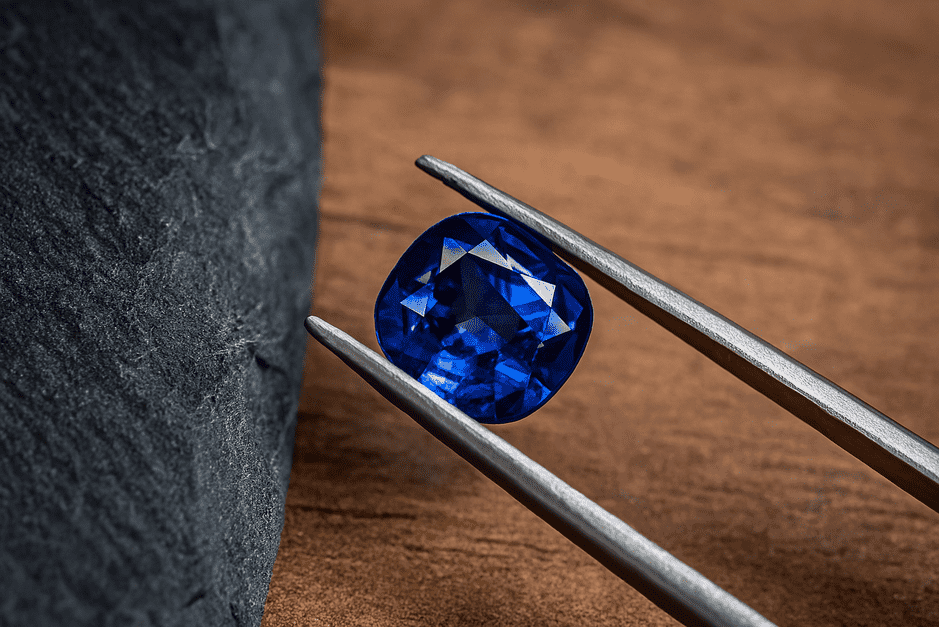
You pick up a handful of wet gravel at Gem Mountain Sapphire Mine, Montana. Next, a flash of blue catches your eye from one of the natural sapphires at the mine. Then you pull out a small Montana sapphire. The process feels direct and pure because the mine keeps the washing experience simple for every visitor. The site sits just off MT Hwy 1 near the Pintler Scenic Route, so you reach it without trouble.
The Cooney family has operated the site for generations, and the region has produced more than 180 million carats since 1892. Because of this long record, you see visitors arriving from many parts of the world. You always find stones here. Size varies. Color varies. Still, each bucket carries a mix of small pieces and potential cutters. Later, you use on-site services to grade, heat treat, and cut your stones, so you walk away with jewelry based on your own finds.
For deeper reading on Montana sapphire origins, you can check the official mine site or the GIA for a clear background on geology and mining history.
You may also want to read more on gemstone buying guides on The Rise of Gemstone Tours: Mines & Markets to understand people, places, and processes behind every gemstone.
Gem Mountain Sapphire Mine Locations
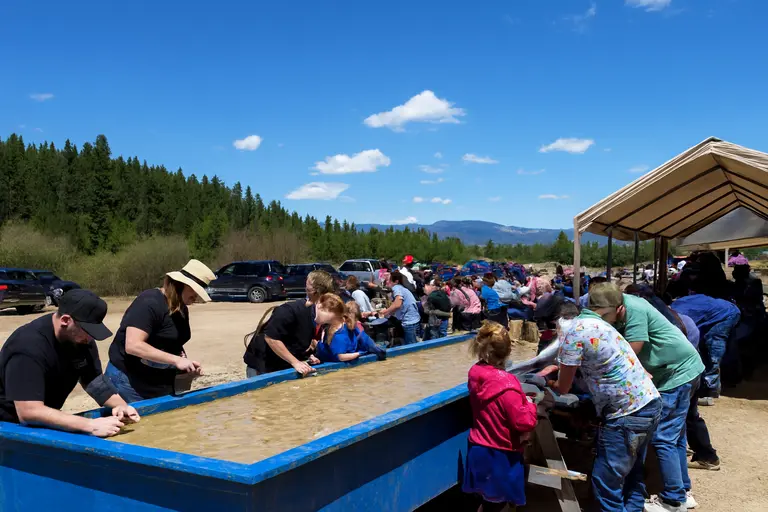
Gem Mountain gives you two ways to enjoy sapphire washing. First, the seasonal mine site on Highway 38 offers outdoor washing with strong staff support. You drive on a paved road, reach the gate without stress, and then sit in open-air wash stations facing forest views. Next, the year-round Philipsburg store gives you indoor washing from 9 am to 5 pm. You walk into a historic building at 201 W. Broadway, take a seat on a first-come basis, and start washing gravel without waiting for seasonal openings.
Besides gravel washing, the Philipsburg store displays Montana sapphire jewelry, fossils, mineral pieces, and home decor such as teak furniture and amethyst cathedrals. Meanwhile, the town offers a slow, relaxed pace that pairs well with gem hunting. For broader Montana travel details, you can visit Montana for maps, weather, and suggested routes.
You may also want to read on Mining Tourism in India: New Travel Experience for mining tourism insights.
Gem Mountain Sapphire Mine Sapphire Hunt
Your visit starts with a Natural Sapphire Gravel Bucket priced at about fifty dollars. The bucket weighs roughly twenty-five pounds and fills a wash screen three to four times. First-time washers usually take forty to forty-five minutes. Meanwhile, faster washers finish in twenty to thirty minutes. Because staff handle the lifting, you only focus on spotting stones.
Next, you wash, shake, and rotate the gravel under running water. Then you watch for sharp edges or clear flashes. The gravel comes directly from the same deposit used in the mine’s own process, so your odds remain genuine. Later, staff sort your stones into small pieces, flawed pieces, and possible cutters using strong lights that reveal internal lines.
If you want more variety, you can try the Mega Jug, Party Bags, or the “Box of Rocks” mail-order gravel. Many visitors read TripAdvisor reviews to compare washing styles, travel tips, and personal finds.
If you want to learn more about gem identification, read Gem Identification Methodology Made Simple.
Gem Mountain Sapphire Mine Jewelry Services
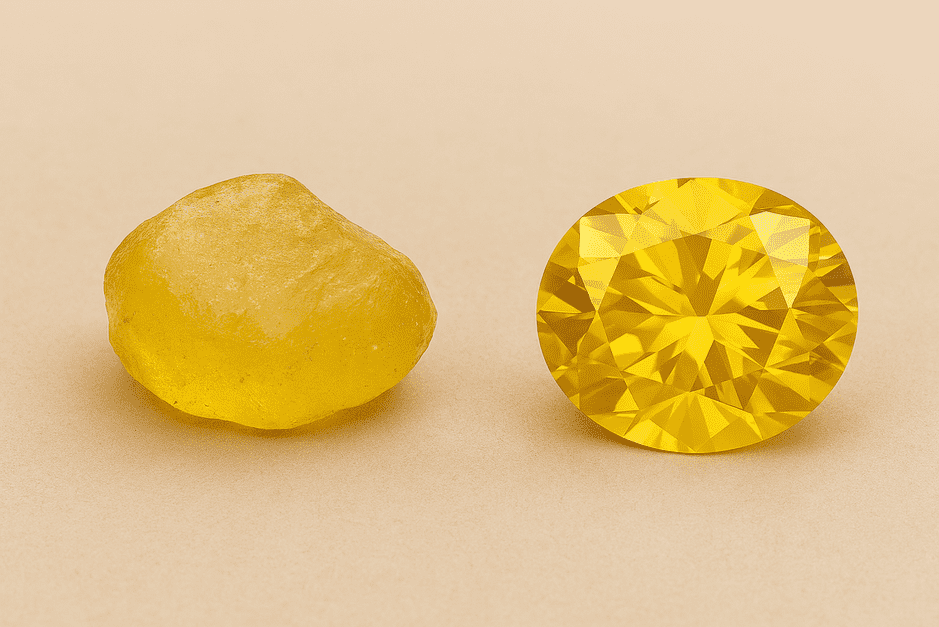
After washing your stones, you take them to the counter for treatment and cutting options. First, heat treating improves clarity and deepens the color through two processes called fancy burn and blue burn. Then, once treated, the stones move to cutting. The team cuts more than twenty-five thousand customer stones each year, including sapphires, garnets, topaz, and sunstone. Later, you choose between local cutting for larger stones or overseas cutting for cost control. Common finished sizes range from half a carat to just under one carat, and the price for these cut stones often falls near four hundred to six hundred dollars per carat.
Finally, you turn your cut stones into jewelry. The team makes rings, pendants, bracelets, and earrings. You walk out with a piece that reflects your own effort. For gem-cutting facts, you can check the GIA’s gem cutting guides, which give clear explanations of angles, proportions, and clarity effects.
Gem Mountain Sapphire Mine History
Gem Mountain has been an active source of sapphires since 1892. First, the area produced large stones used for watch bearings sent to Europe. Later, synthetic stones reduced global demand. Still, the Cooney family shifted to visitor-focused gravel screening, which kept the mine operational and accessible. Every gravel load now moves through a tracked system from mine to bucket, so you know your stones come from the same deposit used in the mine’s screening process.
Next, the drive itself becomes part of the experience. You may spot moose, elk, or bighorn sheep along MT Highway 38. You dress casually or buy an apron at the counter because the washing process gets wet and muddy. Families enjoy the setup because children can take part at every step.
For other U.S. gem hunting areas, you may check Recreation.gov, which lists public digging sites and access rules.
Plan Your Gem Mountain Sapphire Mine Visit
The mine sits at 21 Sapphire Gulch Lane near mile marker 38.4 on MT Highway 38. The Philipsburg store sits at 201 W. Broadway in the center of town. You drive slowly on the approach road, because the scenery invites steady movement and the curves remain narrow. Next, you preload your map because signal drops near the mine. Then you bring water and a pouch for your stones. Later, you head back to the jewelry counter to turn your best pieces into finished work.
Reviews praise the place for its simple layout and warm staff. Besides this, the ease of the washing process keeps visitors returning year after year. For current details, the phone number is (406) 859-4367, and the website is gemmountainmt.com. If you cannot travel, you order shipped gravel and wash it at home.
FAQ
Is Gem Mountain open year-round?
The mine operates seasonally, while the Philipsburg store stays open daily from 9 am to 5 pm.
Do I find sapphires for sure?
Yes. Every bucket carries stones, though size and color change.
Can I treat and cut my stones at the site?
Yes. You get heat treating and cutting on the same property.
How much does gravel cost, and how long does washing take?
A bucket costs fifty dollars, and washing takes twenty to forty-five minutes, depending on experience.
Where do I find the locations?
The mine sits on MT Highway 38. The store sits at 201 W. Broadway in Philipsburg. You search for Gem Mountain Sapphire Mine on Google Maps.
Credits
This article draws on reporting originally published by Gem Mountain Sapphire Mine. This article is based on the sapphire mine story on the Gem Mountain Sapphire Mine website and has been enhanced with additional SEO and contextual research by Saju Elizamma.