
Summary
India has a long history of strong ties in gemstones, textiles, food, and home crafts. This article explains how daily habits bring those tones back into modern living. It moves through jewelry, cooking, interiors, and personal choices while linking to useful guides on Sajuelizamma.com and trusted external sources. Readers should see how small decisions rebuild cultural memory. Rich tones become part of daily life through steady action, not dramatic change.
Introduction
Make Color Part of Indian Life Again by reconnecting with the tones that shaped India’s history. India holds a long bond with strong color, and this guide shows how steady choices rooted in cultural memory bring those tones back into modern living. Families still recall textiles, spices, gemstones, and crafts that shaped daily rhythm across generations.
Jewelry Helps Make Color Part of Indian Life Again
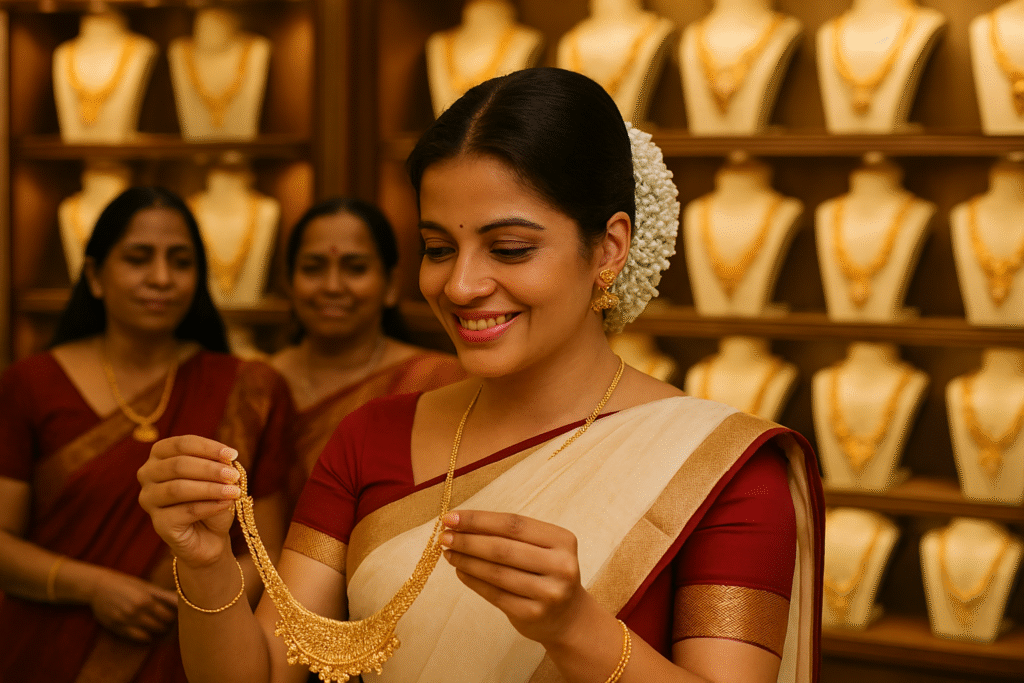
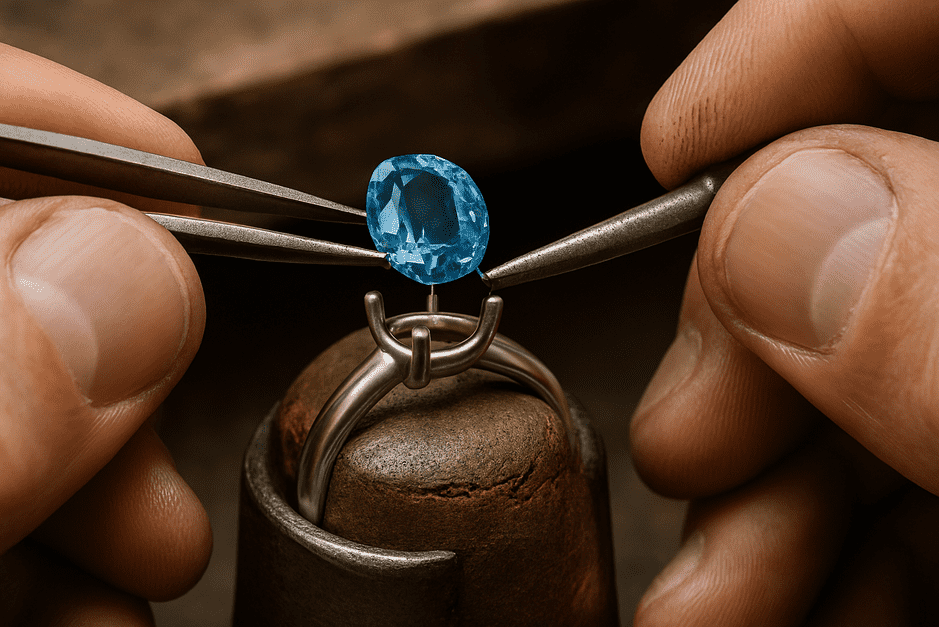
Jewelry remains the most direct path to restoring color. When people reach for gemstone pieces instead of plain metal, the shift becomes visible. Even small rings or studs change the tone of an ordinary day. Designs such as Navratna, Kundan, and Meenakari already hold centuries of skill. These crafts survived because they carried meaning, story, and structure.
Readers interested in jewelry and gemstone basics can read my article on the Museum of Meenakari Heritage Jaipur by Sunita Shekhawat, and the Chettinad Jewellery Museum – Pettagam in Karaikudi, where unique traditional jewelry designs, along with ruby, emerald, sapphire, and other colored gemstones, give clarity on color quality and traditional cutting styles. These resources help buyers choose pieces that feel connected to Indian identity rather than global minimalism.
Craft traditions grew across regions with their own style rules. North Indian studios pushed strong reds and deep greens. Western India shaped silver tribal pieces with bold silhouettes. Southern India built temple jewelry around rich gold tones and saturated stones. Though tastes now mix across regions, these earlier choices still influence modern workshops. People who invest in such pieces often say the jewelry changes how they move through the day. It adds memory and story.
Museums such as the National Museum, New Delhi, keep detailed records of stone traditions and enamel work. These archives show how India shaped world color systems long before modern gem and jewelry trade patterns formed. Moving back to these roots becomes easier when people see them in everyday objects, not only in museum glass.
Jewelry sets the first tone. Yet daily life needs more touchpoints.
Food Traditions Support the Move to Make Color Part of Indian Life Again
Cooking already carries strong tones, though people often overlook them. Deep turmeric, red chilli blends, bright coriander chutney, saffron in sweets, and greens from seasonal produce shape natural palettes on every plate. When cooks highlight these tones in plating, meals become part of a larger cultural shift.
Regular home cooking can bring this back with ease. Because vegetables, grains, and spices already carry strong hues, meals turn colourful by nature. Many chefs now blend traditional Indian plating with modern minimal design. This approach works well because the food holds its own identity without forced decoration.
As a result, food articles on the Food & Beverages guide readers who enjoy learning about spice behavior and regional recipes. These pieces show how Kerala, Rajasthan, Bengal, and the Northeast each express different storytelling methods through food. When people know these patterns, repeating them becomes simple.
Regional sources add depth. Reputable culinary institutions and long-standing Indian cookbooks show how earlier kitchens never treated color as decoration. It flowed naturally from fresh produce, seasonal habits, and slow cooking. People who follow these ideas often find their home meals look richer without any effort.
Food becomes daily art. Yet the home needs matching support.
Interiors Show How to Make Color Part of Indian Life Again
Homes influence mood. Interiors shape how people feel during long hours indoors. When families choose textiles, art, and ceramics rooted in traditional craft, spaces regain warmth without clutter. This happens through simple acts.
Handloom runners on tables bring tone and texture. Block-printed curtains shift light into gentle hues. Kalamkari spreads, Bandhani odhanis repurposed as throws, and Phulkari pieces framed as wall art turn a quiet room into a warm space. These textiles do not fight modern furniture. They soften it.
Sanskriti Museum of Indian Textiles and National Crafts Museum & Hastkala Academy give clear direction for readers who are interested in textiles and crafts. These guides explain how to choose pieces, how to confirm authenticity, and how artisans across states maintain old dye practices.
Living & Learning Design Centre in Bhuj, Gujarat, and Calico Museum in Ahmedabad, Gujarat, show readers how Indian textiles preserve natural pigments that stand apart from synthetic modern palettes. When people learn the history behind turmeric yellow, indigo blue, and madder red, choices become more meaningful.
Homes shift through steady action, not dramatic renovation. Even a small Bandhani cushion or a Madhubani print introduces enough tone to alter a room. Over time the space feels rooted again.
Daily life then becomes a field for small decisions.
Daily Habits Strengthen the Push to Make Color Part of Indian Life Again
Life becomes colorful when choices repeat. Rings worn during simple chores. Saffron rice served on weekdays. A block-printed towel in the kitchen. A hand-painted pot on a windowsill. A Warli postcard pinned above a desk. These choices unfold across hours, not special moments.
Because habits form slowly, the return of color feels natural. People often notice the shift when guests comment on a room or a dish. They sense warmth without needing an explanation.
These decisions also support artisans, growers, weavers, and small studios that keep local traditions alive. When buyers choose these goods regularly, they send a clear signal of value. It strengthens local craft and strengthens personal identity.
Though life today moves fast, color brings a pause. It links the present to the past and the home to the culture outside the door. Steady choices make this change real. This is how India becomes colorful again.
FAQ on How to Make Color Part of Indian Life Again
Why does using strong tones matter in daily life?
It shapes mood, memory, and cultural identity. India holds long traditions built on color, and repeating those choices keeps the link alive.
Where can I learn more about traditional gemstones?
Your gemstone guides on Sajuelizamma.com give clear direction for beginners and buyers who want deeper knowledge.
How can I add craft traditions to a modern home?
Start with textiles or small art pieces. Handloom, block prints, and tribal paintings blend well with modern furniture.