Summary
Discover how a gemological microscope works and why it is essential for gemstone analysis. Learn about objective and ocular lenses, magnification calculations, and how to spot inclusions, cuts, and surface features. Perfect for beginners and gem enthusiasts.
Introduction to the Gemological Microscope
A gemological microscope is one of the most important tools for studying gemstones. It lets you inspect every detail—from inclusions to growth patterns and surface features.
Using a microscope improves your ability to assess a gemstone’s quality and authenticity. Whether you are a collector, jeweler, or beginner gemologist, knowing how your microscope works makes a difference.
How the Microscope Works
The gemological microscope uses a two-lens system: the objective lens and the ocular lenses. This combination produces sharp images and accurate magnification.
The Objective Lens: Your First View
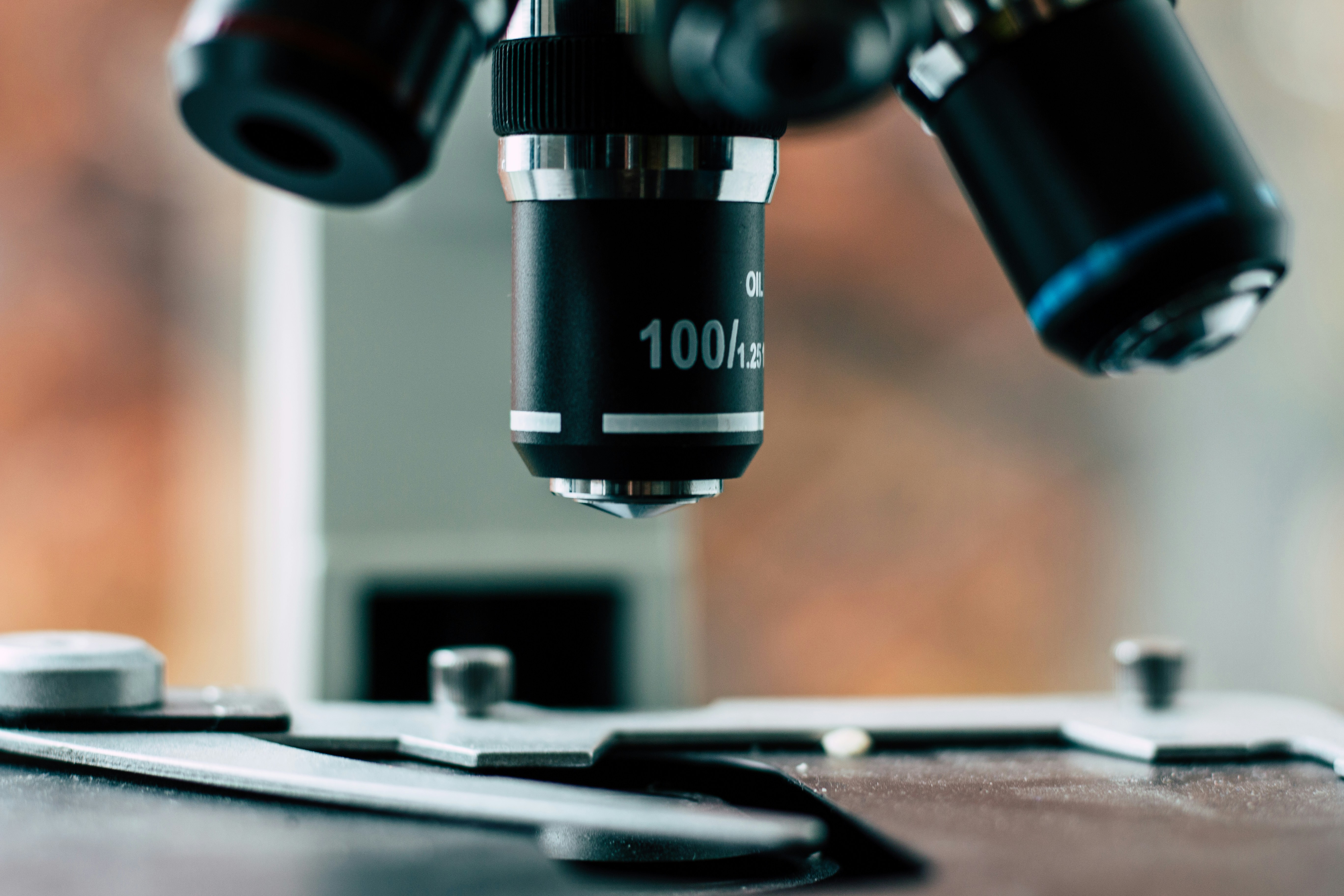
The lower lens group is called the objective.
- Adjustable between 0.7x and 3.0x
- Produces clear images of inclusions and cuts
- Helps identify small imperfections inside a stone
Adjusting the objective lens sets the foundation for clear observation. Without it, spotting minute details like feather inclusions or tiny crystals is nearly impossible.
The Ocular Lenses: Adding Power
The ocular lenses are the eyepieces you look through.
- Usually fixed at 10x or 15x magnification
- Multiply the image produced by the objective lens
- Control the final magnification you see
Example:
- 0.7 x 15 = 10.5x
- 3 x 15 = 45x
Using a 2x doubling lens can increase magnification up to 90x, revealing pinpoints, polishing marks, or hidden flaws.
Why This Matters for You
A gemological microscope helps answer crucial questions:
- Is the gemstone natural or synthetic?
- Are there fractures affecting durability?
- Does the cut enhance or hide inclusions?
Every gemologist remembers the first time they saw a fingerprint inclusion. It opens a hidden world inside the stone.
Tips for Beginners
- Start with lower magnification to get the full view.
- Increase gradually to examine inclusions or surface features.
- Use proper lighting to highlight details.
Learn More
For a deeper understanding of gem tools and techniques, check the article on BIS Hallmark Jewelry Certification or explore gemstone types. You can also learn more about professional gemological tools and their uses at GIA’s official gem tools guide, which explains industry-standard equipment for magnification and gemstone analysis.
FAQ
Q1: What is a gemological microscope used for?
A: It helps gemologists examine gemstones closely, revealing inclusions, growth patterns, and surface features.
Q2: What magnification is needed for gemstone study?
A: Objective lenses between 0.7x–3.0x combined with 10x–15x ocular lenses give 10.5x–45x magnification, which can be doubled with extra lenses.
Q3: Why are objective and ocular lenses important?
A: The objective lens creates the initial image, while ocular lenses multiply it, giving a detailed view for accurate analysis.
Q4: Can beginners use a gemological microscope?
A: Yes, with basic training, even beginners can identify inclusions, cuts, and internal features confidently.
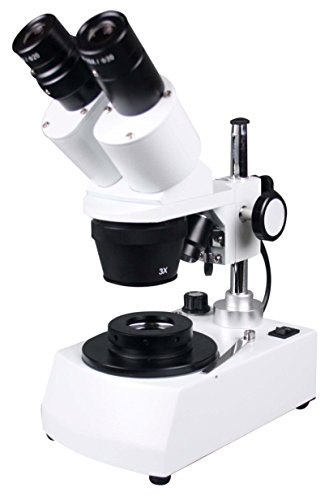
- Head: Binocular Inclined at 45 Degrees with Eyepiece adjustment
- Nosepiece: Turret Revolving
- Illumination: Bottom and Reflected. Darkfield Condenser with GEM Clamp