Summary:
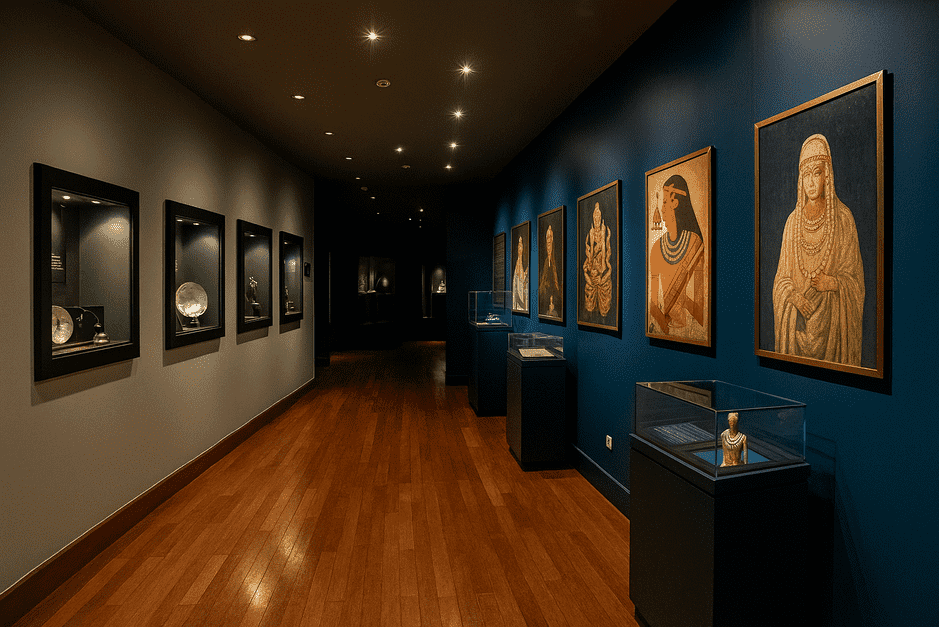
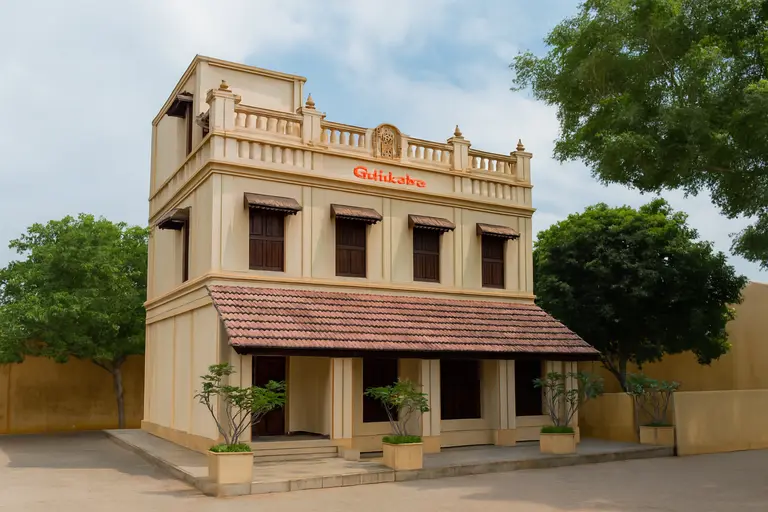
Pettagam is India’s first private Chettinad jewellery museum in Karaikudi. Here, visitors explore five generations of craftsmanship, rare close-setting techniques, and the global journey of the Nagarathars, discovering a heritage that blends local artistry with international influences.
Introduction to Chettinad Jewellery Museum
I remember a young couple who recently brought me a magnificent-looking ruby from Jaipur for my opinion. At that moment, I realized how provenance defines value. Similarly, Pettagam, the Chettinad jewellery museum in Karaikudi, preserves five generations of heritage. Upon entering, visitors see the blend of craftsmanship, trade, and design that shaped Chettinad jewellery.
Along the way, every piece tells a story. For instance, a Kandacharam necklace displays motifs inspired by temples and European design. In turn, this shows how Chettiars integrated global influences into local artistry.
Why Visit the Chettinad Jewellery Museum
First, the name Pettagam means “treasure chest,” traditionally used in every Chettiar home. Meanwhile, the Nagarathars traveled to Burma, Ceylon, and Europe in pursuit of trade. As a result, Chettinad jewellery reflects both local tradition and cosmopolitan design.
Later, Pettagam emerged to preserve these treasures. It also bridges history and education, showing how jewellery once defined cultural identity. Even so, few private collections are open to the public. For reference, you can read about heritage jewellery valuation at Sotheby’s.
Origins and Craftsmanship at the Chettinad Jewellery Museum
Initially, the journey begins with regional motifs and traditional techniques. Along the path, visitors notice temple, floral, and cultural patterns. Next, they enter a quiet theatre for a 15-minute film on artisans at work.
During the presentation, the rare close-setting method comes to life. Used in fewer than 10% of jewellery worldwide, this technique ensures stones sit tightly without visible metal. Consequently, each piece sparkles with brilliance, showcasing Chettinad craftsmanship.
Afterward, live demonstrations show gold shaping and gemstone setting. In turn, guests appreciate the dedication required to maintain this heritage. Learn more about traditional Indian jewellery techniques at the Victoria & Albert Museum.
Three Genres and Global Influences in the Chettinad Jewellery Museum
Next, the second floor features three main genres:
- Classic Chettinad pieces – Kandacharam, Poocharam, and Mullaicharam.
- Regional adaptations – Kerala’s Kasumala, Arakku temple ornaments of Chola and Pandya kings, Mughal-inspired Jali wrist adornments.
- Royal and modern pieces – Kundan necklaces from Rajasthan alongside modern designs using advanced techniques.
For example, a Kandacharam necklace with Vienna-cut diamonds shows Chettiars’ international trade influence. In turn, it highlights heritage blending with global sophistication. Cross-cultural designs are valued 10–15% higher in the market.
Founder’s Vision at the Chettinad Jewellery Museum
Meenu Subbiah, founder of Pettagam, envisioned a museum preserving both artefacts and living knowledge. Instead of only displaying jewellery, Pettagam explains how family tradition and history shaped design.
Before opening, she documented hundreds of antique pieces. As a result, the museum educates designers, collectors, and gemologists. Meanwhile, her work won the Heritage Craft Jewellery Award 2024 by the Tamil Nadu Jewellery Association.
Experience Design
Visitors book in advance for personalized attention. During the tour, multimedia, lighting, and sound create immersive storytelling. Simultaneously, rotating exhibits showcase historic and contemporary pieces.
In turn, the museum encourages exploration. For instance, seeing a 100-year-old Kandacharam next to a modern reinterpretation demonstrates how legacy inspires innovation.
Why You Should Visit
If you love jewellery, Pettagam provides rare insights into a fading art.
For gemology students, live demonstrations reveal techniques preserved over five generations.
For cultural travellers, Karaikudi rewards with architecture, cuisine, and living heritage. Before leaving, visitors understand how each ornament tells a migration story connecting distant lands to local tradition.
For more cultural insights, read about Chettinad architecture on the Tamil Nadu Tourism website.
FAQ
1. What makes Pettagam unique among Indian jewellery museums?
Pettagam is India’s first private Chettinad jewellery museum, showcasing family collections and rare artistry. Learn more about why provenance adds lasting value.
2. Where is Pettagam located?
The museum is in Karaikudi, Tamil Nadu, the cultural heart of Chettinad. Explore Chettinad craft traditions.
3. Who founded Pettagam and why?
Meenu Subbiah founded the museum to preserve ancestral legacy. See how jewellery heritage shapes modern design.
4. Can visitors buy jewellery at Pettagam?
No. Pettagam is educational only. However, collectors can use our Gold Buying Checklist for Malayalis.
Credit
Credit to Meenu Subbiah for first sharing “Pettagam, India’s 1st Private Museum on the Chettinad Jewellery.” This story is adapted from “Pettagam, India’s 1st Private Museum on the Chettinad Jewellery”, with additional SEO and contextual research by Saju Elizamma.