Summary
This guide explains the differences between natural, synthetic, and imitation gemstones. Learn how each is formed, their value, and why asking the key question before buying protects your wallet. Discover practical tips, certification advice, and how to make informed gemstone purchases.
What Are Natural, Synthetic, and Imitation Gemstones?
Every gemstone sparkles, but do you know if it’s natural, synthetic, or imitation? Asking this question can save you money and prevent mistakes. For a beginner’s guide to certified stones, check our Gemstone Certification Guide.
Natural Gemstones: Rare, Valuable, and Timeless
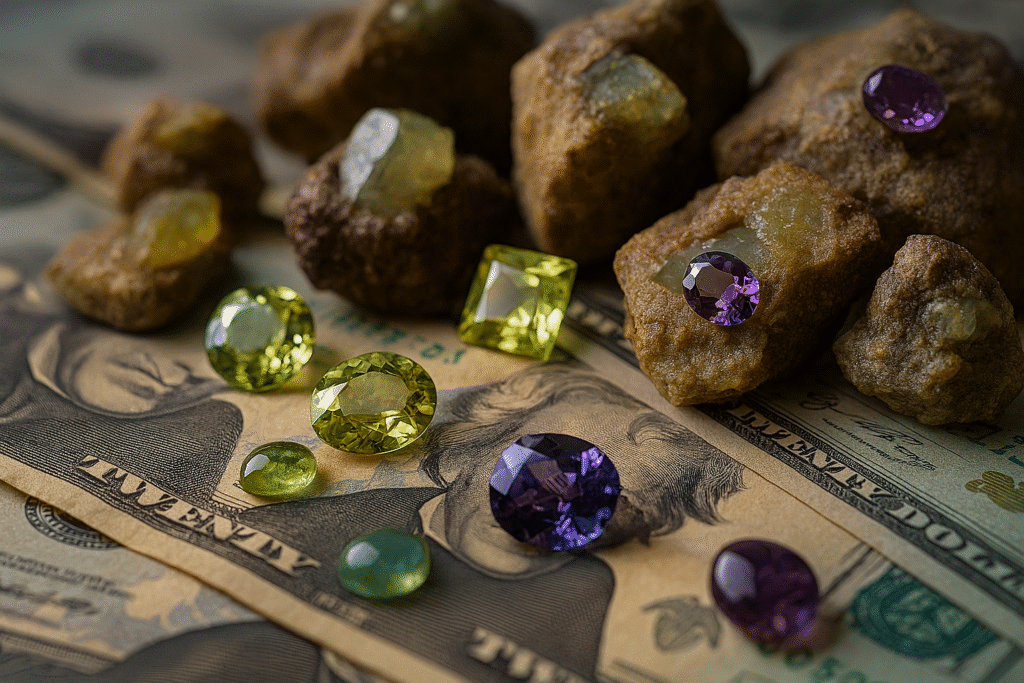
Natural gemstones form in the earth over millions of years. Their value depends on rarity, beauty, and condition. Examples include ruby, sapphire, emerald, and diamond. Buying natural stones means investing in history and scarcity. For grading details, visit GIA or read our guide on choosing certified stones.
Synthetic Gemstones: Lab-Created, Real, Affordable
Synthetic gemstones have the same chemical composition as natural stones but are created in labs. They look almost identical and usually cost less. Examples include lab-grown ruby, sapphire, and diamond. Always check lab reports from trusted sources like IGI or SSEF.
Imitation Gemstones: Looks Can Be Deceptive
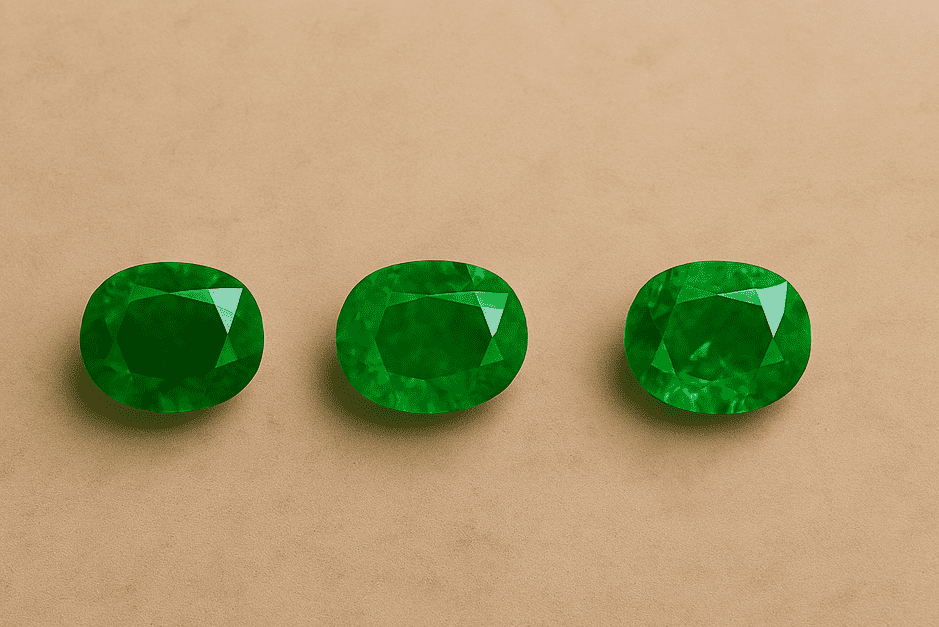
Imitation gemstones mimic real stones but lack the same chemistry or durability. Common examples include glass imitating emerald or cubic zirconia imitating diamond. While they may sparkle, they hold little long-term value. Learn how to spot imitations in our Gemstone Buying Tips.
Why Knowing the Difference Matters
A natural ruby could cost thousands, a synthetic one a fraction, and an imitation only a few dollars. Certification from labs ensures you know exactly what you are buying and protects your investment.
The Question to Always Ask
When buying, always ask the seller:
“Is this natural, synthetic, or imitation?”
This simple question ensures clarity and protects your wallet.
Practical Tips for Buying Gemstones
- Budget-friendly beauty: Synthetic gemstones work well.
- Long-term value: Choose natural stones with certification.
- Fashion or costume jewelry: Imitations are fine, but never pay natural prices.
FAQ
Q: Are synthetic gemstones real?
Yes, they have the same chemistry as natural stones but are lab-created.
Q: How can I identify imitations?
Check certifications from labs like GIA or IGI.
Q: Do natural stones always cost more?
Usually, because they are rare and mined over millions of years.