
Introduction
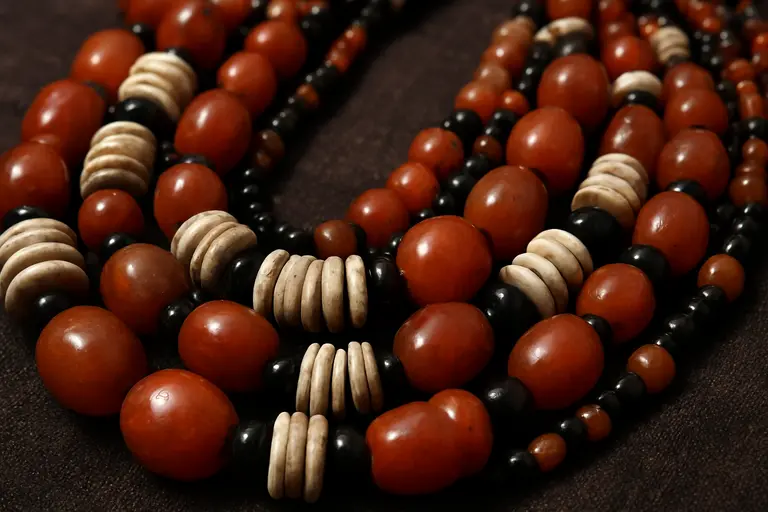
In the misty hills of Northeast India, jewelry is not just decoration; it is a language. In fact, Naga Bead Jewellery is one of the most visually striking and culturally meaningful forms of ornamentation in the world. Originating from the indigenous tribes of Nagaland and parts of Northwest Myanmar, these handcrafted pieces have adorned both men and women for centuries.
Far more than accessories, they have historically functioned as portable wealth, markers of social standing, and symbols of tribal identity. Today, they are celebrated globally for their bold aesthetics. As a Gemologist interested in heritage, I find the use of trade beads here fascinating. It connects a remote tribe to the global glass trade of the 19th century. In this guide, we will explore the origins, the symbolism of colors, and how to distinguish a genuine tribal piece from a tourist souvenir.
The Cultural Roots of Naga Bead Jewellery
To truly appreciate Naga Bead Jewellery, it is important to first understand where it comes from. Currently, Nagaland is home to more than 16 officially recognized tribes, including the Angami, Konyak, Ao, and Lotha. Crucially, each tribe has developed its own distinct style, color palette, and pattern language over generations.
As a result, a trained eye can often identify a wearer’s tribal affiliation simply by looking at their necklace. Beyond tribal identity, the beads have historically served as a kind of “Cultural Passport.” They were considered currency, talismans, and symbols of prosperity all at once.
The Language of Color
Color carries deep meaning.
- Red: Associated with blood, bravery, and danger.
- Yellow/Orange: Represents wealth and abundance (often Carnelian).
- Blue: Linked to high social status. Consequently, the combination of colors is never accidental; it tells a deliberate story about the wearer.
The Konyak Warrior
One of the most iconic examples is the Konyak Warrior Collar. Traditionally featuring brass heads and cowrie shells, this distinctive piece was once worn exclusively by headhunters as a badge of honor. Although the practice of headhunting has ended, the collar remains a powerful symbol of the North vs South Indian Jewelry divide, where the South uses gold, and the Northeast uses beads and brass.
Materials: A Global Mix
What makes Naga jewellery particularly fascinating is the diversity of materials. Historically, Naga artisans sourced materials both locally and through long-distance trade routes.
- Glass Beads: Surprisingly, many antique beads were imported from Venice (Murano) or Czechoslovakia during the colonial era. They traveled thousands of miles to reach these hills.
- Carnelian Stones: The orange beads often came from the Agates of Cambay region in Gujarat, proving an ancient trade link between West and East India.
- Natural Elements: Specifically, cowrie shells, boar tusks, and hornbill beaks.
Over time, these trade beads became deeply embedded in Naga cultural practice. Therefore, a single necklace might contain glass from Europe, stone from Gujarat, and shells from the Indian Ocean.
Craftsmanship: The Art of Stranding
In terms of technique, Naga artisans employ sophisticated methods. Stranding and weaving form the foundation. Typically, multiple strands of beads are carefully layered to create dense, eye-catching compositions. Strong, locally sourced fiber cords hold everything together.
At the ends, the threads are typically finished using Macramé Knotting. This creates secure loop or button closures without the need for modern metal hardware. Additionally, artisans often incorporate brass and copper elements using the Repoussé technique. This mirrors the techniques used in Thanjavur Art Plate crafting.
How to Identify Authentic Naga Bead Jewellery
As the global popularity of Naga Bead Jewellery has grown, so has the market for imitations. Therefore, knowing how to distinguish authentic pieces is essential.
1. The “Handmade” Feel
First and foremost, authentic Naga jewellery is entirely handmade. Natural materials such as shells, bone, and glass feel distinctly different from synthetic plastic. Naturally, genuine pieces will always display slight irregularities in bead size and stringing tension. These are not flaws; they are evidence of human craftsmanship.
2. The Closure Test
Authentic pieces typically use a knotted thread button or a Coin/Cowrie shell as a clasp. If a piece features a shiny, modern metal “Lobster Clasp,” it is a strong signal that it is a modern factory-made imitation, not a traditional tribal piece.
3. The “Skeypuk” Warning
One important warning is to watch out for “Skeypuk” constructions. These pieces, often originating from Ladakh or Nepal, are sometimes marketed as Naga. They are identifiable by their heavily padded, crescent-shaped fabric backing. While beautiful, they are not Naga. For more on identifying fakes, read my Gemstone Buying Mistakes guide.
Buying Responsibly: Ethical Sourcing
If you are looking to purchase, buying responsibly matters. Whenever possible, purchase directly from reputable sources or cooperatives that work with artisans in Nagaland. This not only guarantees authenticity but also ensures that your money supports the communities keeping this tradition alive.
Fortunately, organizations promoting fair trade crafts, such as Craftmark India or the Tribal Cooperative Marketing Development Federation (TRIFED), are worth exploring. Additionally, be cautious of extremely low prices. Authentic antique beads are rare. If it is cheap, it is likely new plastic.
Caring for Your Beads
Once you own a piece, caring for it ensures it lasts. Traditionally, these pieces were not treated with chemicals. Therefore, store your jewellery in a cool, dry place away from direct sunlight, as UV rays can fade antique dyed beads.
It is equally important to keep the pieces away from water. The cotton threads can rot if they stay wet. For cleaning, a soft, dry cloth is all you need. Crucially, avoid liquid cleaners, as they can damage delicate organic materials like bone or old shell.
Conclusion: Wearing a Story
In summary, Naga Bead Jewellery is more than fashion. It is an anthropology you can wear. It tells the story of trade, tribe, and tradition. Ultimately, by choosing authentic Naga beads, you are not just buying a necklace; you are preserving a piece of India’s diverse heritage.
FAQ: Naga Bead Jewellery
What is Naga bead jewellery made of?
It is made from a combination of glass trade beads, Carnelian stones (from Gujarat), Cowrie shells, boar tusks, bone, and brass, strung on sturdy cotton fiber.
How can I tell if Naga jewellery is authentic?
First, look for the closure. Authentic pieces use a button/knot clasp, not metal hooks. Also, look for the weight and coolness of real glass/stone beads versus warm plastic.
What do the colors in Naga jewellery mean?
Red symbolizes blood and bravery (Warrior status). Yellow/Orange represents wealth and prosperity. Blue indicates high social standing.
Where can I buy authentic Naga jewellery?
Purchase from reputable cooperatives, artisan markets in Kohima or Dimapur, or certified fair-trade platforms like Tribes India online.
Why are there European glass beads in Naga jewelry?
Historically, European merchants used glass beads as currency to trade for spices and goods in India. These beads traveled up the trade routes to Nagaland and became integrated into tribal culture over centuries.