Introduction
Are you dreaming of sourcing stunning emeralds straight from their origins? Buying gemstones in the bustling open markets of Muzo, Colombia and Bahia, Brazil delivers distinct experiences. Muzo vs Bahia Emerald Buying is a comparison between the “Rolls Royce” and the “Toyota” of the gem world.
Muzo, the legendary emerald capital, offers premium, deep-green gems in a high-stakes street scene. In contrast, Bahia provides more affordable, vibrant options in laid-back mining towns. However, beginners face pitfalls like scams, safety risks, synthetics, and imitations. As a Gemologist who has studied inclusions for 40 years, I know that the difference isn’t just price—it’s geology. In this guide, I will break down the differences, the treatments (Oil vs. Resin), and essential dos and don’ts. Whether you are an investor or a jeweler, read on to navigate these markets wisely.
Gem Quality: Muzo vs Bahia Emerald Buying
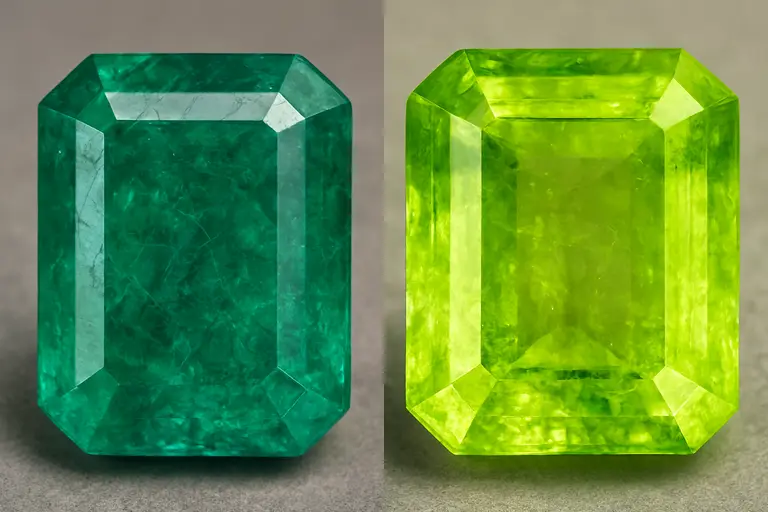
First, understand the core contrasts. Muzo Emeralds from Colombia shine with their signature deep, velvety “Bluish-Green” hue. Crucially, these stones contain rare Three-Phase Inclusions (a solid crystal, a liquid bubble, and a gas bubble trapped inside). For instance, high-end Muzo pieces rival diamonds in price, making them investment favorites. However, they are often heavily included (Jardin), requiring Cedar Oil treatment.
On the other hand, Bahia Emeralds from Brazil stand out for affordability. They display lighter, “Yellowish-Green” tones due to higher Iron content. Generally, these gems have fewer inclusions but lack the “Glow” of Colombian stones. Yet this makes them accessible for commercial jewelry makers. Therefore, Bahia suits budget buyers seeking color over perfection. You can read about inclusion types in my guide on Multiphase Gems and Maldives.
Culture of Muzo vs Bahia Emerald Buying
Next, dive into the cultural backdrop. In Muzo, emerald mining ties deeply to the region’s “Green War” history. Today, it buzzes as a lively trading hub. Traders swarm the streets, creating a somewhat lawless energy. For example, deals happen casually over coffee in the main square, but the tension is palpable.
Conversely, Bahia and Minas Gerais in Brazil offer a more relaxed vibe. Mining towns foster community sales, blending tradition with tourism. However, do not let your guard down. Safety varies—while touristy areas are friendlier, carrying cash marks you as a target in both countries. This contrast means Muzo tests your street smarts, while Bahia rewards patience.
Locations for Muzo vs Bahia Emerald Buying
Knowing exact spots prevents wandering aimlessly.
Buying in Colombia
Ideally, start with Bogotá. The Emerald Trade Center near Jimenez Avenue is safer than going to the mines. If you go to Muzo town itself, stick to the main square where vendors display stones on white paper packets. Venture no farther without a trusted local guide.
Buying in Brazil
For Bahia, target these hotspots:
- Nova Era: A mining hub for direct-from-source rough emeralds.
- Teófilo Otoni: The gem capital of Minas Gerais, where serious trading happens.
- Salvador: Touristy but vibrant; stick to reputable shops.
Always prioritize populated areas to minimize risks. For a comparison with Asian markets, read my Ratnapura vs Chanthaburi Gem Buying guide.
Pitfalls in Muzo vs Bahia Emerald Buying
As an expert, I must highlight the biggest technical pitfall in Muzo vs Bahia Emerald Buying.
- Colombia (Muzo): Specifically, Muzo traditionally uses Cedar Oil. This is a natural, reversible treatment. It dries out over time but can be re-oiled. It is accepted in high-end trade.
- Brazil (Bahia): Often uses Opticon Resin (Epoxy). This creates a permanent seal. The Trap: If you buy a Brazilian stone thinking it is oiled, but it is actually resin-filled, you have overpaid. Resin-filled stones are worth significantly less. Always ask: “Is this Oil or Resin?” Read more in my Gemstone Buying Mistakes guide.
Dos and Don’ts for Muzo vs Bahia Emerald Buying
Follow these rules to thrive.
Dos
- Research: Study the look of “Jardin” inclusions. If a stone is perfectly clean, it is likely glass.
- Demand Certification: Insist on reports from labs like GIA or CDTEC (in Colombia).
- Haggle: It is cultural. Start at 50% of the asking price and work up.
Don’ts
- Don’t buy on the street unless you are an expert. The lighting is deceptive.
- Don’t chase “Cheap” deals. A cheap emerald is usually a dyed quartz or green glass.
- Don’t flaunt cash. Use secure transfer methods or pay inside a secure office.
Conclusion: Which Origin Wins?
In summary, the choice between Muzo vs Bahia Emerald Buying depends on your budget.
- Choose Muzo if you want the “Best of the Best”—a stone with history, romance, and investment value.
- Choose Bahia if you want a beautiful, durable stone for daily wear at a fraction of the cost.
Ultimately, both are miracles of nature. Just make sure you pay the right price for the right origin.
FAQ: Muzo vs Bahia Emerald Buying
Are Muzo emeralds always better than Bahia ones?
Generally, yes. Muzo emeralds have a higher chromium content, giving them a superior, saturated green glow. Bahia stones have more iron, which can make the green look slightly duller or yellowish.
How do I verify authenticity on-site?
Check for inclusions. A natural emerald will have internal “Garden” (Jardin). Use a 10x Loupe. If you see bubbles, it might be glass. If you see “Flash Effects” (blue/orange flashes on cracks), it is fracture-filled.
Is it safe for solo beginners?
No. Especially in Muzo, it is safer to hire a reputable local broker or guide. In Brazil, stick to established trade shows or offices in Teófilo Otoni rather than remote mines.
What is the price difference?
Massive. A fine 2-carat Muzo emerald can cost US$10000. A similar-looking Bahia emerald might cost US$1000. Origin drives the price.
Can I export emeralds easily?
Yes, but you need paperwork. In Colombia, reputable dealers provide an export certificate. Do not try to smuggle stones; customs checks are strict.
Author Bio
P.J. Joseph, also known as Saju Elizamma, Gemstone & Gold Consultant serving Kerala, Tamil Nadu, and Karnataka.