
Introduction
What makes a restaurant the best in the world? Is it expensive ingredients, elaborate plating, or warm, inviting hospitality? Asador Etxebarri suggests that mastering the basics matters most. On 4 November 2026, the Spanish restaurant in Atxondo claimed the top spot on The 50 Best Restaurants list, with the ceremony held in Lima, Peru. Self-taught chef-owner Bittor Arguinzoniz earned this title through his mastery of wood-fire cooking. Moreover, his approach teaches valuable lessons to everyone, not just wealthy diners or culinary professionals. Keralam, in particular, can build a distinctive culinary identity on its rich biodiversity, deep-rooted traditions, and immense cultural variety. By prioritizing local ingredients and refined skill, the region can elevate its food scene to global standards. For more on the regional heritage that fuels such innovation, read our Keralam food guides.
Why Asador Etxebarri Inspires Keralam Food Standards
Arguinzoniz turned an ancient cooking method into a modern, world-class dining experience. Instead of using complex laboratory techniques, he places simple wood fire at the centre of his kitchen. He chooses different types of wood for different ingredients to enhance their natural flavours. In addition, he designed adjustable grills that precisely control the distance between the food and the embers. As a result, delicate ingredients keep their natural character rather than becoming overwhelmed by smoke. The restaurant also celebrates regional produce, such as Palamós prawns, and even smokes its signature milk ice cream over glowing embers. Therefore, guests taste a philosophy built on place, skill, and hospitality. However, please note that rankings reflect the judgement of specific voters and do not measure every restaurant on earth. Still, it remains a highly influential mark of achievement.
Lessons for Everyday Keralam Food Lovers
These lessons belong to everyone. Ordinary diners can apply these principles at any meal.
Value Ingredients Over Price Tags
A high price does not guarantee a great meal. In fact, a freshly caught fish or a simple, perfectly seasoned rice dish can satisfy the soul more than an expensive, multi-course menu. Therefore, diners should look for freshness, seasonality, and regional authenticity instead of overpriced menus.
Respect the Skill Behind Traditional Cooking
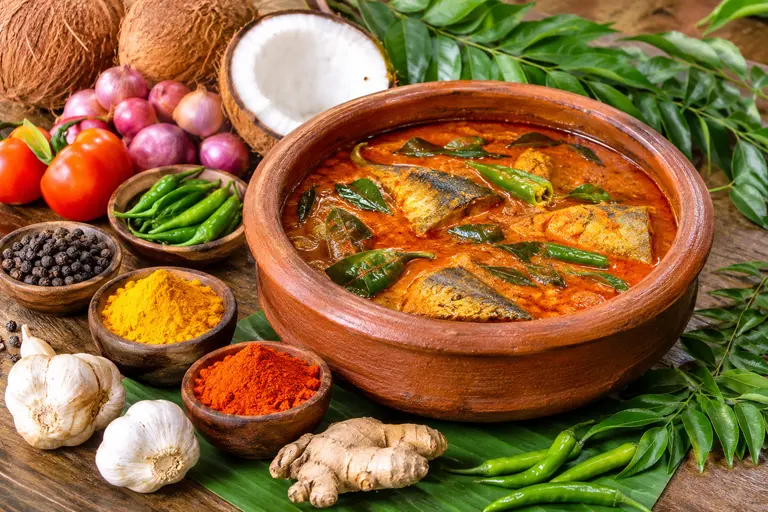
Cooks pass knowledge down through generations. For example, a good appam needs careful fermentation, the right batter consistency, and steady heat. Similarly, a traditional fish curry depends on fresh local fish and balanced spices. Consequently, diners should honour this technical skill rather than judge food by looks alone.
Support Local Food Businesses
Small eateries and family kitchens protect valuable culinary knowledge. By choosing them, diners support local jobs and keep traditional ingredients alive. Moreover, good food should always come with honest pricing, clean kitchens, and fair treatment of workers.
Craft Lessons for Gems, Jewellery, and Watches
Heritage trades can learn from the philosophy of Asador Etxebarri, too. Buyers of gemstones, jewellery, and watches also belong to the 99%, so these ideas matter deeply to them.
Choose Useful Engineering and Honest Scarcity
Arguinzoniz built special equipment because ordinary grills could not deliver the precision he wanted. Yet, the equipment never overshadows the food. Likewise, watchmakers should add features that improve accuracy and comfort rather than merely showing off. In the same way, real scarcity should come from limited craft capacity, not from marketing gimmicks. A long waiting list does not automatically create lasting value. Instead, buyers should check workmanship, provenance, material quality, and after-sales service.
Respect the Material and Share Its Origin
Etxebarri lets each ingredient keep its unique identity. Similarly, a jeweller should study an emerald, ruby, or sapphire before choosing its cut and setting. Furthermore, businesses can share the story of their artisans and materials wherever reliable evidence exists. As a result, customers connect with the people behind their purchases. Buyers can learn more about gemstone quality from the Gemological Institute of America.
What Keralam Food Must Do to Reach the Global Stage
Keralam has 14 districts, and geography, fishing, farming, and migration shape each district’s food identity. However, heritage alone does not win global recognition. Restaurants must turn that heritage into excellent food, professional service, and consistency.
Celebrating Keralam Food Micro-Regional Ingredients
Pokkali rice, Kanthari chillies, Vechur cow milk, banana stem, and local seafood deserve more research and recognition. Furthermore, chefs should build direct relationships with local farmers and fishing communities. These partnerships improve traceability and strengthen local supply chains.
Documenting Toddy-Shop and Traditional Keralam Food
Toddy shops, popularly called Shaaps, hold a major part of Keralam’s food culture. Researchers should document their seafood, meat dishes, and cooking methods, including the use of earthenware and fermentation. However, modern restaurants must still follow food safety and hygiene rules to succeed.
Building Destination Keralam Food Restaurants
Keralam should not limit its ambitions to Kochi, Kozhikode, and Thiruvananthapuram. Wayanad, Kuttanad, Kasaragod, Alappuzha, and Varkala offer distinct landscapes and food identities. Consequently, destination restaurants there could connect local ingredients, architecture, and farming communities. Nevertheless, a beautiful setting cannot replace consistent food and good management. Explore our Wayanad and Kasaragod district guides.
Raise Standards Without Losing Identity
Mumbai’s Masque and Kasauli’s NAAR ranked on the 2026 list, which shows that Indian restaurants can win global respect. Masque explores indigenous ingredients, while NAAR celebrates Himalayan traditions. In addition, NAAR won the Sustainable Restaurant Award 2026, so respect for local producers earns real attention. Keralam can learn from their research and regional pride without copying their menus. Therefore, restaurants should invest in training, traceability, and consistent service.
Frequently Asked Questions
Can a restaurant in Keralam become the World’s Best Restaurant?
Yes. No location or cuisine automatically wins or loses. However, a restaurant needs exceptional food, service, and consistency.
Do restaurants need expensive ingredients to win international recognition?
No. Skill, knowledge, and execution matter more than price. Indeed, a humble local ingredient can shine in skilled hands.
What is the biggest lesson for Keralam’s food businesses?
Build excellence from local strengths. Instead of imitating others, businesses should protect heritage, raise standards, and create memorable experiences.
Can ordinary restaurants benefit from these ideas?
Absolutely. Small restaurants can improve sourcing, hygiene, service, and price transparency without needing costly interiors.
Disclaimer
This article offers independent observations. The 50 Best Restaurants ranking reflects the collective judgement of voters, not an absolute measure of quality. The author has no financial affiliation with the brands or organizations mentioned.