
Summary
Urban Indians are turning toward diamonds and gemstones, while rural Indians treasure gold and silver. Indian jewelry preferences reveal a mix of modern and traditional choices, shaped by lifestyle, income, and heritage.
Introduction
Indian jewelry preferences differ sharply between cities and villages. Jewelry in India reflects identity, faith, and family.
Urban and rural buyers share a love for ornaments, but their choices show contrasting priorities. Therefore, let’s explore how jewelry trends in India balance gold, diamonds, and colored stones.
Urban Jewelry Preferences in India
Diamonds and Everyday Luxury
Cities are embracing diamonds as style and investment.
- Natural diamonds dominate, but lab-grown stones attract young buyers.
- Men wear diamond rings, bracelets, and pendants confidently.
- Diamonds symbolize both elegance and status.
Moreover, you’ll find minimalist diamond studs and engagement rings from CaratLane and Tanishq. As a result, according to the World Gold Council, urban jewelry trends in India are shifting toward certified diamonds and personalization. Even so, traditional diamond sets remain popular during weddings.
Colored Gemstones and Personal Expression
Urban consumers seek color and individuality.
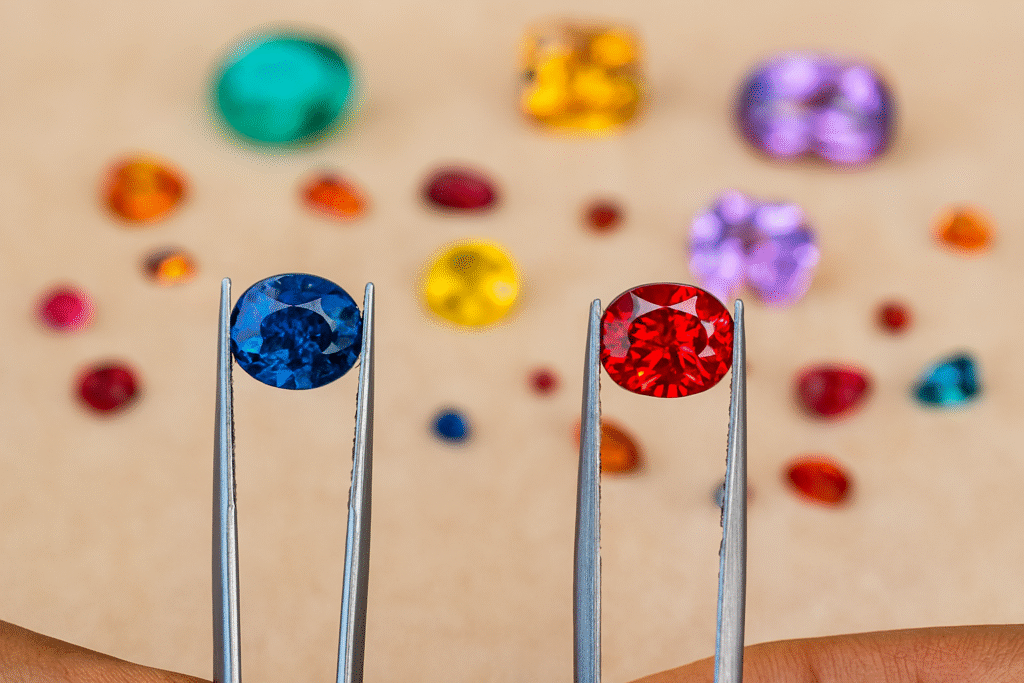
- Rubies, sapphires, and emeralds remain popular.
- Semi-precious stones like citrine, amethyst, and turquoise are rising.
- Each gem’s origin and meaning influence the buyer’s choice.
In addition, sites like Bluestone let buyers design jewelry that mirrors their personal tastes. Consequently, self-expression has become as important as investment value.
Modern Metals and Minimal Designs
Urban jewelry balances comfort and sophistication.
- Lightweight, modular designs fit daily life.
- White and rose gold bring a modern edge.
- Mixed metals and delicate chains are trending.
Furthermore, boutique studios and Tanishq lead in styles that reflect evolving Indian jewelry tastes. In the same way, urban brides prefer modern designs for everyday use.
Rural Jewelry Preferences in India
Gold: The Heart of Tradition
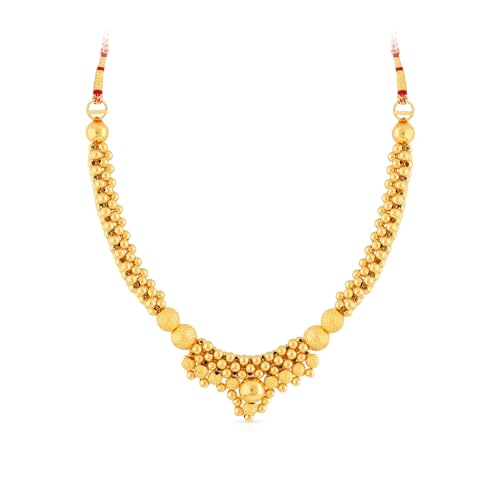
Gold anchors rural jewelry preferences. It represents wealth, purity, and emotional security.
- Families buy 22K gold jewelry for weddings and festivals.
- Jewelry doubles as savings and family legacy.
- Rural buyers favor heavy, traditional designs.
As a result, during Diwali or Akshaya Tritiya, gold buying peaks. For guidance, see Gold Buying Checklist for Malayalis.
Silver and Cultural Identity
Silver plays an essential role in rural jewelry traditions.
- Anklets, waist chains, and toe rings are common.
- Men wear silver rings for daily use.
- Silver signifies purity and status.
Meanwhile, it remains both spiritual and practical across villages.
Traditional Gemstone Jewelry
Rural artisans keep ancient crafts alive.
- Temple jewelry in South India uses rubies and pearls.
- North India’s Polki and Kundan work highlight uncut diamonds.
- Each region expresses distinct jewelry traditions of India through its motifs.
In contrast, modern jewelers combine these traditions with contemporary craftsmanship. On the other hand, younger rural buyers explore lighter designs. Read Understanding BIS Hallmark: What It Means for Your Jewellery for details on purity.
Indian Jewelry Preferences Across India
Urban and rural India are influencing each other.
- Rural youth follow city fashion through social media.
- Urban brides rediscover traditional Polki and temple jewelry.
- Lightweight gold designs connect both worlds.
Ultimately, gold remains emotionally strong, while diamonds and gemstones expand what luxury means in India.
FAQs
1. Why do rural Indians prefer gold over diamonds?
Gold is both ornament and security, central to rural jewelry preferences. Moreover, it carries emotional and spiritual value.
2. What gemstones are trending in cities?
Sapphires, rubies, and modern stones like tourmaline and citrine. Likewise, birthstones are gaining popularity.
3. Do men buy jewelry in urban areas now?
Yes. Men’s diamond bracelets and rings are part of modern Indian jewelry styles. Interestingly, this trend is spreading to smaller towns.
4. Why does silver stay popular in rural regions?
It’s affordable, traditional, and spiritually meaningful. Additionally, it’s used in rituals and daily wear.
5. Are urban jewelry designs becoming simpler?
Yes. Lightweight, minimal jewelry defines new Indian jewelry preferences. Hence, they suit both work and leisure.