Summary
Learn why context is the first clue in gem identification. The story, setting, and price often reveal more than the gem itself. Spot fakes before you buy.
Introduction
Every gemstone tells a story, but not every story is true.
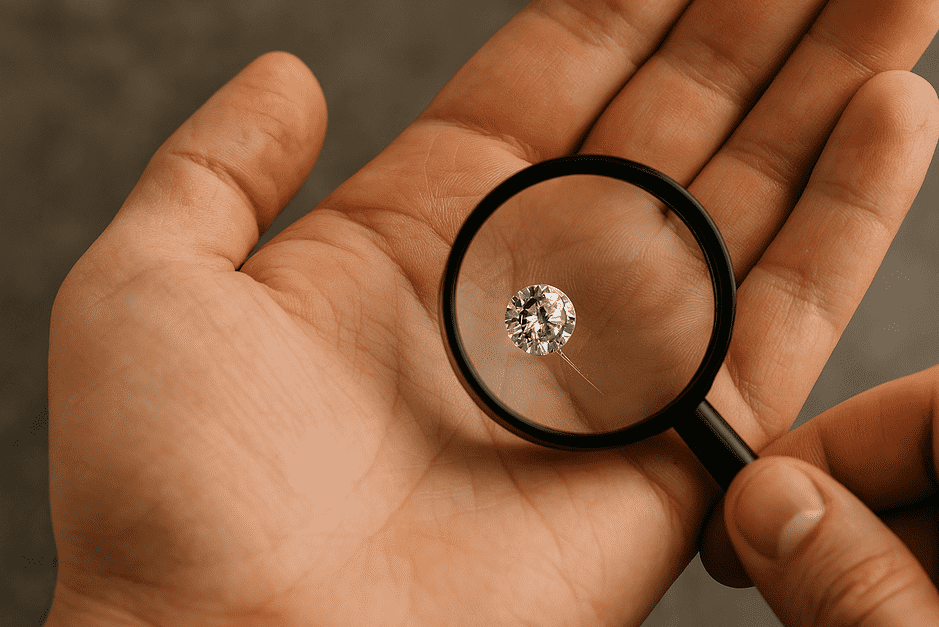
When you examine a gem, the first clues rarely come from a microscope. Instead, they come from context — the story, the setting, and the price.
Understanding these three details helps you judge authenticity long before any gemological test. As you’ll see, context often exposes what the naked eye can’t.
1. Story: Does It Make Sense?
First, consider the story. Ask yourself — does it fit the gem?
A seller calls it a Victorian diamond, yet it sits in a brand-new ring. Another claims it’s from a royal collection, but there’s no documentation.
If the story sounds inconsistent, that’s your first red flag. In most cases, genuine provenance includes records, appraisals, or certificates.
For more guidance, explore authenticity resources from GIA.edu.
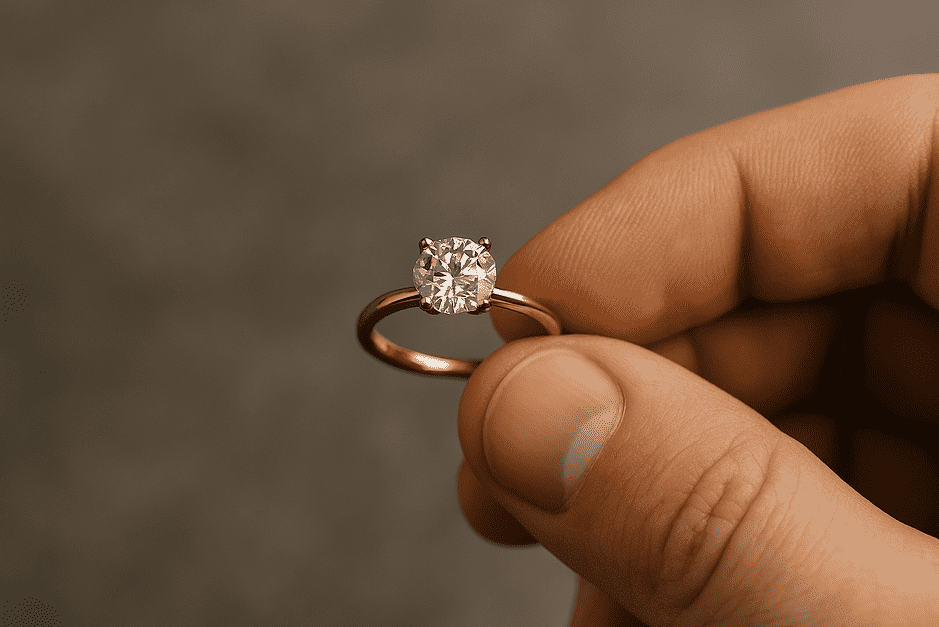
2. Setting: The Mount Tells a Story
Next, look closely at the setting. It often reveals more than the stone itself.
Genuine antique diamonds are rarely placed in factory-made settings. A Victorian jewel should display age, wear, and handmade craftsmanship.
When the mount looks too new for its claimed period, something doesn’t match. Therefore, the setting should always align with the story.
You can see real-world examples in our Gem Identification Guides.
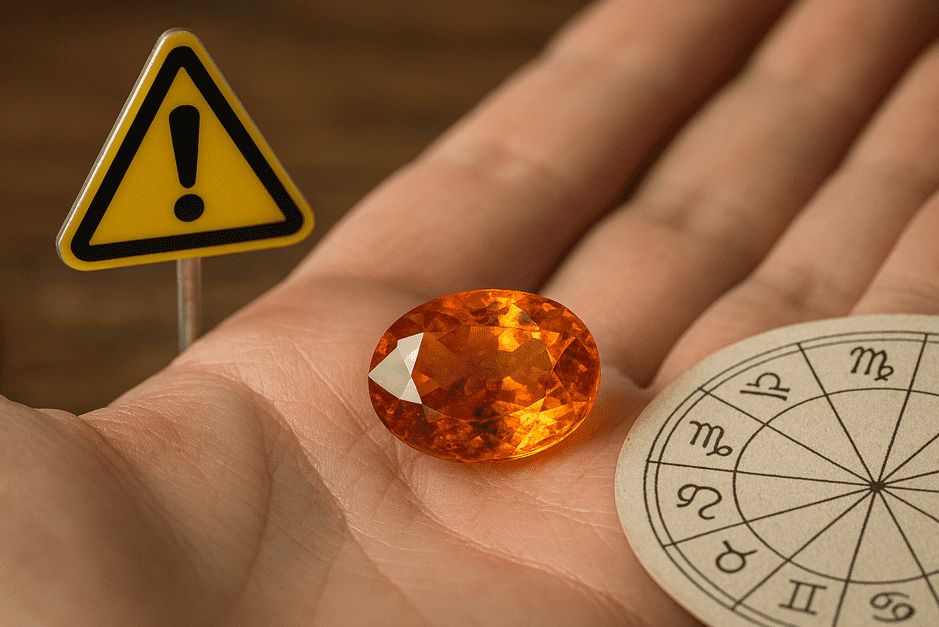
3. Price: The Ultimate Reality Check
Finally, evaluate the price. It often tells the truth faster than any loupe or lab.
A 2-carat ruby for $20 is clearly not genuine. Likewise, a natural emerald bracelet sold below the cost of silver raises instant suspicion.
If a deal feels too good to be true, it almost always is. Real dealers price gems according to rarity, origin, and quality — never impulse bargains.
Putting It Together
Your eyes can be deceived, and your emotions can be influenced. However, context rarely lies.
- The story must match the stone.
- The setting must fit the era.
- The price must reflect value.
By checking these three clues first, you save time, avoid costly mistakes, and build sharper instincts as a gem buyer.
For deeper insight, read Wishful Thinking in Gem Identification.
FAQ
Q1. Why is context important in gem identification?
Because the story, setting, and price reveal inconsistencies that expose fakes long before lab tests.
Q2. How does the setting help identify authenticity?
The mount’s craftsmanship and wear should match the claimed era of the gem.
Q3. Can price alone identify fake gems?
Although not definitive, unrealistic pricing remains one of the clearest warning signs.
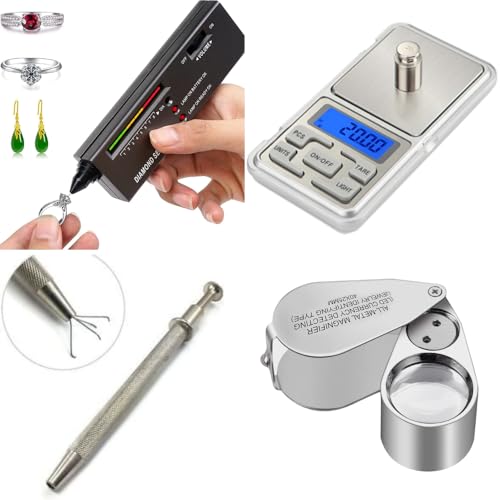
- 【ACCURATE OPERATION】 Nondestructive testing, simple and accurate operation. 【EASY TO CARRY】 tester is a portable electro…
- 【HIGHLY COMPACT DESIGN】 Highly compact design and light weight, easy to carry. 【 TESTER】 This LED tester will indicate t…
- [Bright LED&Pocket size]:This 40X magnifying glass Illuminated Jeweler Loupe is built from durable metal with an optical…