
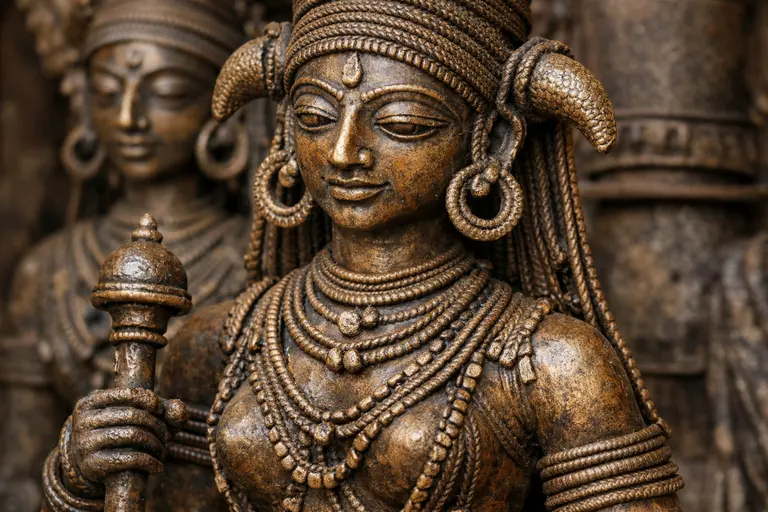
Introduction to Gadwakam Metal Art
Deep in the forests of Bastar, Chhattisgarh, a community of skilled metalworkers creates extraordinary sculptures that have survived for thousands of years. They call their craft Gadwakam Metal Art, and they use an ancient technique known as lost-wax casting to pour molten metal into hand-built clay molds. Consequently, the result is a one-of-a-kind piece of art that no machine can replicate. If you have ever seen a textured bronze figure with long limbs and an earthy feel, it likely came from the heart of Bastar. This guide breaks down the history of the craft, the people who make it, and the meanings behind its symbols. You should also read our guide on gemstone buying mistakes to understand how quality standards apply to all handcrafted luxury goods.
Where Gadwakam Metal Art Originates
The lost-wax casting method utilized in this craft is over 4,000 years old. Specifically, historians trace it back to the famous Indus Valley “Dancing Girl” figurine. Over time, this knowledge flourished in the Bastar region, where the Gadhwa metalworking community made the style their own.
The name “Gadhwa” itself is connected to the Hindi word gadhna, which means “to shape” or “to create.” These artisans shaped their craft specifically to serve the Maria and Muria tribal communities. Initially, they made sacred icons and ritual objects full of spiritual meaning. Today, the town of Kondagaon remains the beating heart of Gadwakam Metal Art. Families there still follow the same basic steps their great-grandparents used. Therefore, the tradition remains pure and unaffected by mass production. For more on the history of Indian metallurgy, visit the Indian Arts Collective official portal.
The Craftsmanship Process: Step by Step
The process of creating Gadwakam Metal Art is entirely manual, and every single stage requires immense patience.
Building the Core and Wax Model
First, the artisan builds a rough clay core using fine local clay mixed with cow dung. This mixture provides the core with both strength and the necessary porosity. After the core dries, the artisan applies a layer of beeswax over the surface. Then comes the most distinctive part of the process. The artisan rolls out thin wax threads and winds them carefully around the form. This technique creates the textured, wire-like patterns that make Gadwakam Metal Art instantly recognizable to collectors.
The Casting and Finishing
Next, the artisan covers the wax model in a smooth layer of fine clay, followed by a thicker outer coating mixed with rice husk. This outer shell must withstand intense heat. Once prepared, the artisan fires the mold, causing the wax to melt and drain away, leaving a hollow impression behind. Finally, molten bell metal flows into that cavity. Once the metal cools, the artisan breaks the clay shell open to reveal the figure. Because the mold breaks every single time, no two pieces ever look exactly alike. To explore the regional significance of this metalwork, check the Chhattisgarh Tourism website.
The Artists and Modern Recognition
A few remarkable individuals have brought Gadwakam Metal Art to the international stage. Specifically, Dr. Jaidev Baghel from Kondagaon learned bronze casting the traditional way and won the National Award in 1977. His sculptures often depict folk deities with powerful, dynamic compositions. Furthermore, contemporary sculptors like Suresh Waghmare continue to push the boundaries of the craft with elongated, modern forms. These artists often work with cooperatives to ensure that the community receives fair pay for their labor.
How to Spot a Genuine Piece of Gadwakam Metal Art
Because the craft is now popular, mass-produced imitations often flood the markets. However, these copies use industrial molds, so their surfaces look too smooth and every piece appears identical. Authentic Gadwakam Metal Art always shows slight variations and minor asymmetries because a human hand shaped every detail.
Here are a few simple tests for authenticity. First, pick the object up; genuine bell metal feels heavier than expected for its size. Second, tap it gently. A real piece rings clearly like a bell, while a fake gives a dull thud. Third, look closely at the wax-thread texture. In a genuine piece, the lines look organic and slightly imperfect. Most importantly, you should buy from trusted sources. Reputable cooperatives and government craft centers always name the artist and provide the community background.
FAQ: Gadwakam Metal Art
Is Gadwakam the same as Dhokra art?
While Gadwakam Metal Art belongs to the broader Dhokra family, it refers specifically to the style, motifs, and community-based practices found in Bastar.
Why is bell metal used in this craft?
Artisans use bell metal, an alloy of copper and tin, because it offers excellent fluidity when molten and produces a beautiful, resonant sound when struck.
How should I clean my Bastar metal sculptures?
You should dust the piece gently with a soft, dry cloth. Specifically, avoid harsh chemical cleaners, as they can damage the natural patina that develops over time.
Where can I watch the artisans work?
You can visit the artisan village of Kondagaon in Chhattisgarh. Many families welcome visitors to observe the lost-wax casting process in their home workshops.
Are these sculptures considered sacred?
Many pieces represent local deities like Raodev or Mata Devi. Therefore, families in Bastar traditionally use them as ritual icons for protection and prosperity.
Disclaimer
This article provides general cultural and consumer information about Gadwakam based on publicly available craft, tourism, and artisan sources. It does not replace expert appraisal, professional certification, or legal advice for high-value art purchases.