Summary
The Copenhagen Amber Museum in Nyhavn reveals how amber formed millions of years ago and became Denmark’s “Nordic gold.” As a result, this guide explains what to see, how to visit, and why it’s a must-stop for anyone interested in gemstones, design, or Scandinavian history.
Introduction to the Copenhagen Amber Museum
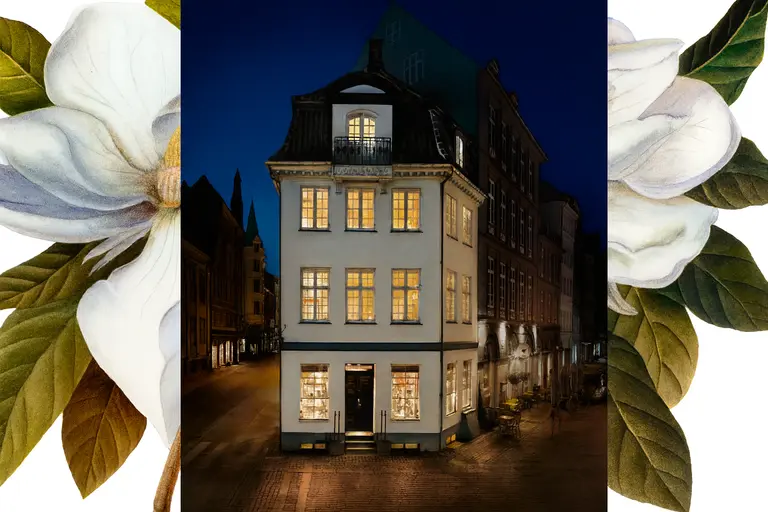
The Copenhagen Amber Museum is one of the world’s best-known amber museums. It sits inside Kanneworff’s House, a 17th-century building in Nyhavn — one of Copenhagen’s most photographed streets. Here, you’ll also discover how amber connects the story of ancient forests, geology, and Danish design.
If you’ve read the guide on How to Identify Genuine Baltic Amber, this museum brings those facts to life.
A Glimpse into Amber’s Origin at the Copenhagen Amber Museum
Amber formed 30–50 million years ago from the resin of pine trees in northern Scandinavia. When trees were damaged, resin dripped to the forest floor.
Over time, rivers and glaciers carried the resin toward the North and Baltic Seas, where it hardened into amber.
That’s why you still find amber washed up on Danish beaches — often beside driftwood and seaweed. You can also explore more about this process in the related post, How Gemstones Form in Nature.
Inside the Amber Museum in Copenhagen
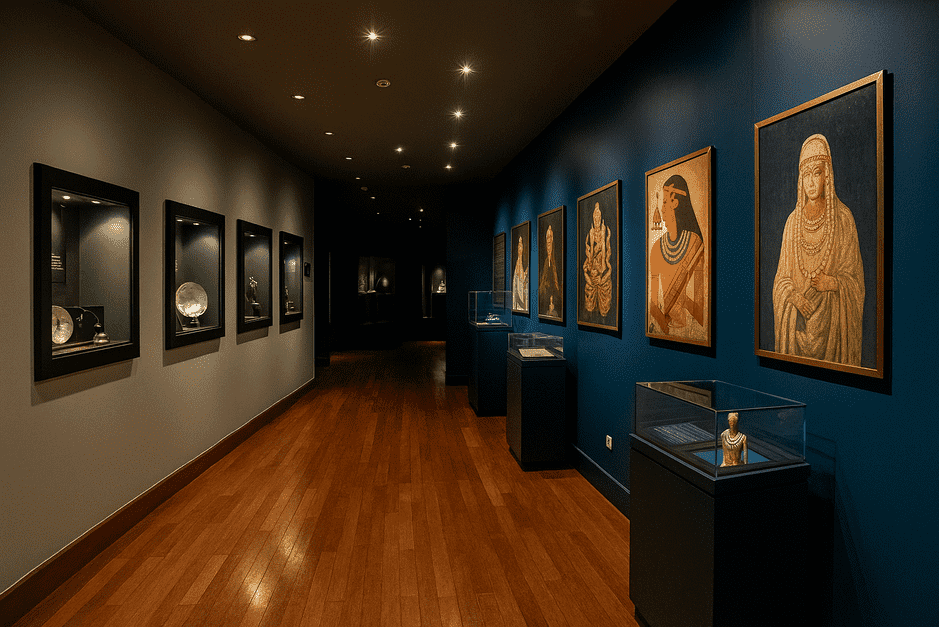
The Copenhagen Amber Museum showcases amber from scientific, artistic, and cultural angles.
First, the Formation Gallery explains how resin became stone.
Next, the Inclusions Room displays ancient insects and plants frozen in time.
Then, the Amber Trade History section traces how Vikings and early traders exchanged amber across Europe.
Finally, the Amber Art & Antiques gallery features centuries-old jewellery, carvings, and sculptures.
Each room blends storytelling with hands-on displays — so it’s ideal for both gem collectors and curious travelers.
House of Amber Legacy and Copenhagen Amber Museum Collection
The museum is operated by the House of Amber, established in 1933. For generations, its experts have turned amber into fine jewellery admired worldwide.
Today, their artisans combine craftsmanship with modern Danish aesthetics.
Every piece is:
- Made from certified Baltic amber
- Set in gold, silver, or enhanced with zirconia or diamonds
- Designed and crafted by Danish goldsmiths
If you’re curious and comparing amber craftsmanship with other heritage houses, you might enjoy our post on Paspaley Strand Craftsmanship.
Amber Jewellery Highlights at the Copenhagen Amber Museum
The museum boutique carries a wide selection of amber jewellery and art. Collectors often look for:
- Natural amber with visible inclusions
- Unheated stones with texture and depth
- Rich cognac, honey, and cherry hues
- Minimalist Danish designs with clean lines
For newcomers, the museum team can explain how to test authenticity and value. For comparison, see our guide on Understanding Gem Value and Certification.
Visiting the Amber Museum in Nyhavn
You’ll find the Copenhagen Amber Museum at Nyhavn 43, a short walk from Kongens Nytorv Metro Station. The harbor area is lined with cafés, historic ships, and pastel-colored houses.
Visitor tips:
- Plan at least one hour for the museum and shop.
- Visit early morning or late afternoon for fewer crowds.
- Photography is allowed in most sections.
- Combine your visit with a canal tour or a walk toward Amalienborg Palace.
Meanwhile, for nearby gems, see our post on the Museum of Meenakari Heritage, which explores another side of jewelry artistry.
For Gem Enthusiasts Visiting the Amber Museum Copenhagen
If you study or collect gemstones, this museum offers a rare opportunity to examine amber inclusions up close. You can:
- Compare natural amber with modern resin imitations.
- Study preserved insects and plant material under magnification.
- Learn polishing and cutting methods unique to Baltic amber.
In short, it’s a real-world lab for anyone who loves the science of gems.
Nearby Attractions Around the Copenhagen Amber Museum
Afterward, explore these landmarks — all within walking distance:
- Amalienborg Palace – Home of Denmark’s royal family.
- Rosenborg Castle – Displays the Danish crown jewels.
- Designmuseum Danmark – A showcase of Scandinavian design.
- Strøget – The main shopping street filled with Danish fashion and crafts.
Each of these complements the museum’s story of craftsmanship and cultural heritage.
Practical Information for the Copenhagen Amber Museum
- Address: Kanneworff’s House, Nyhavn 43, 1051 Copenhagen
- Opening Hours: Usually 10 AM–6 PM (check the official site for updates)
- Tickets: Affordable entry; discounts for students and families
- Accessibility: The historic building has narrow stairs, but guided help is available
- Visit the official museum website for more details.
Why You Should Visit the Copenhagen Amber Museum
Few places blend history, art, and geology as seamlessly as this one. It tells how a drop of pine resin became Denmark’s “Nordic gold” — and how Danish artisans still transform it into timeless jewellery.
Whether you’re a traveler, collector, or admirer of Scandinavian craftsmanship, this stop belongs on your Copenhagen itinerary.
FAQs
1. What makes Baltic amber special?
It’s older, harder, and clearer than amber from other regions, often with preserved inclusions.
2. Can you buy jewellery at the museum?
Yes. The House of Amber shop sells certified amber jewellery and art pieces.
3. How long does a visit take?
Plan for around one hour, or longer if you enjoy browsing.
4. Is the museum child-friendly?
Yes. Kids love spotting insects inside amber pieces.
5. What’s the best season to visit?
Spring and summer are ideal, when Nyhavn’s waterfront is lively and colorful.
Credit
This article draws on material from the official Copenhagen Amber Museum website. It has been adapted and expanded with SEO context and additional research by Saju Elizamma.