Gemstone Buying Guides

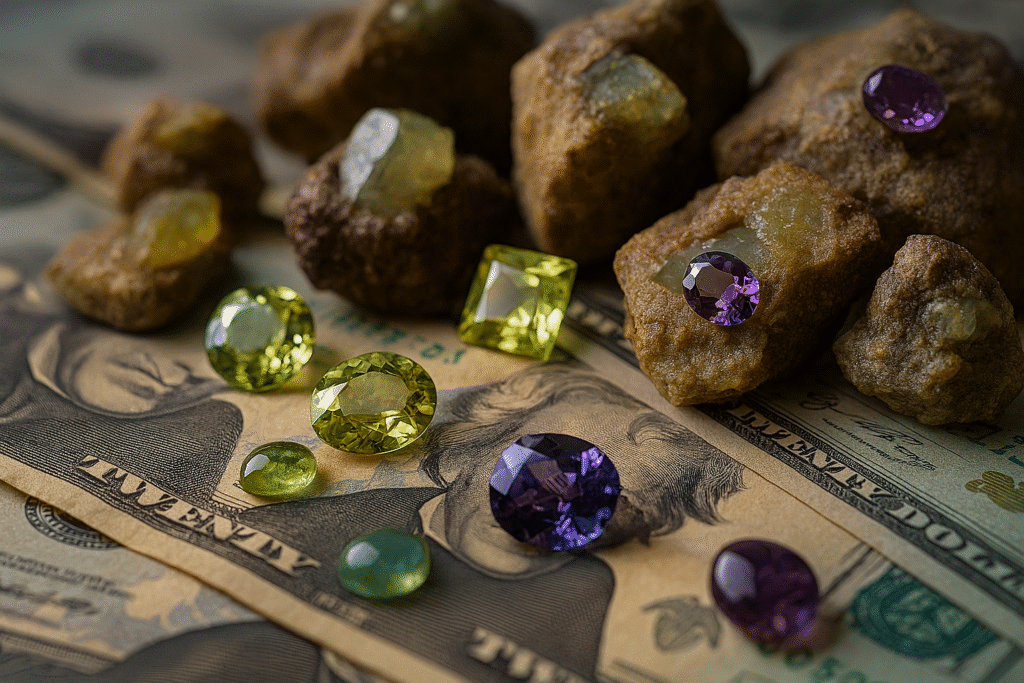
Chrysoberyl gemstones showing standard yellow-green, cat’s eye, and alexandrite color change.

Chrysoberyl vs Alexandrite: Avoid This Costly Mistake

Summary Many buyers confuse chrysoberyl with alexandrite. That’s a costly mistake. While both belong to the same gem family, chrysoberyl vs alexandrite is a story of rarity, color, and value. Alexandrite’s color change makes it unique, while standard and cat’s eye chrysoberyl are beautiful, affordable, and strong.Learn how to identify each, avoid fake claims, and […]

Chrysoberyl vs Alexandrite: Avoid This Costly Mistake Read More »
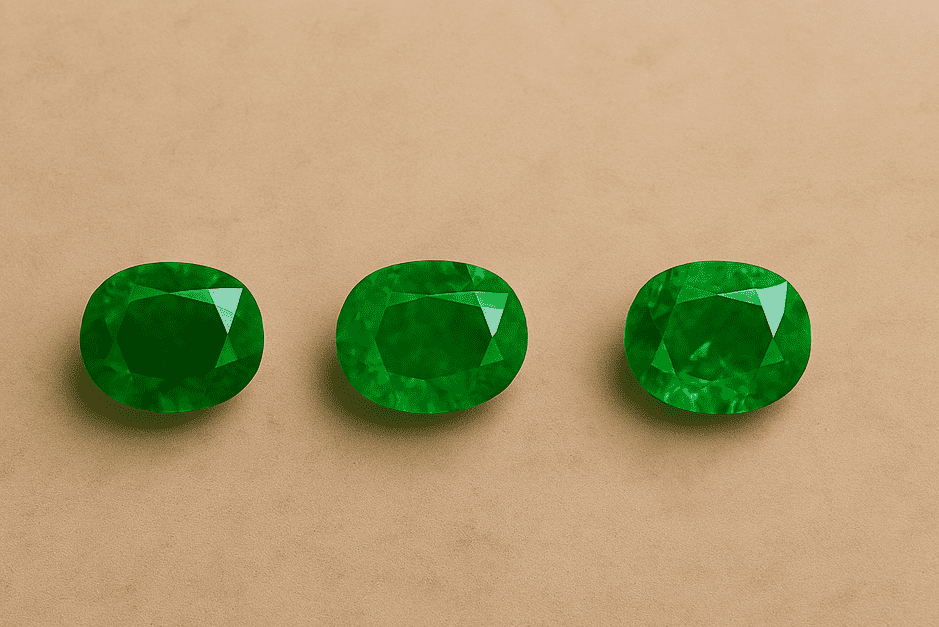
Comparison of natural, synthetic, and imitation gemstones showing different origins and appearances.

Natural, Synthetic, or Imitation Gemstones: Know Before You Buy

SummaryThis guide explains the differences between natural, synthetic, and imitation gemstones. Learn how each is formed, their value, and why asking the key question before buying protects your wallet. Discover practical tips, certification advice, and how to make informed gemstone purchases. What Are Natural, Synthetic, and Imitation Gemstones? Every gemstone sparkles, but do you know

Natural, Synthetic, or Imitation Gemstones: Know Before You Buy Read More »

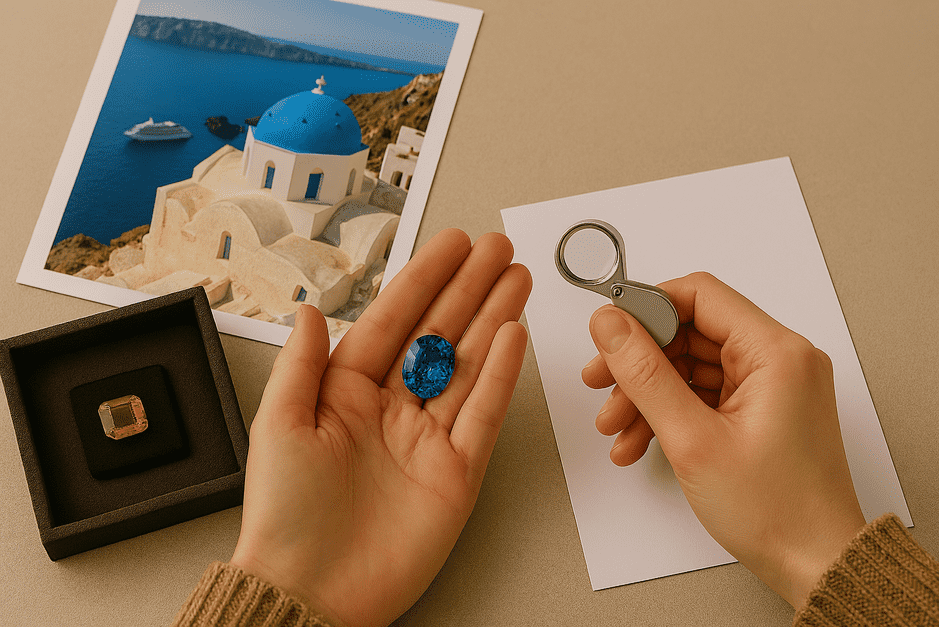
Vacation tourist examining a tanzanite gemstone in a jewelry shop with a warning about overpriced stones.

Vacation Gem Trap: How to Avoid Overpriced Stones

SummaryBuying gemstones while traveling can be risky. Tourist shops often sell treated, synthetic, or common stones as rare gems. Prices can be inflated 400–1000%, leaving buyers with major losses. This guide explains why travelers fall for the vacation gem trap, how to verify gems, and ways to protect your money. Buying Gems Abroad? Beware the

Vacation Gem Trap: How to Avoid Overpriced Stones Read More »