Gemology

An antique map illustrating the route of Tavernier’s Diamond Trade through 17th-century India.

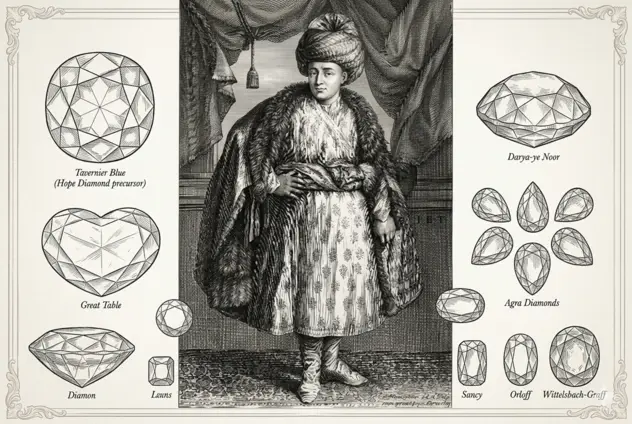
Tavernier’s Diamond Trade in 17th-Century India

Introduction to Tavernier’s Diamond Trade Jean-Baptiste Tavernier was a daring French merchant who fundamentally reshaped the modern diamond industry. Between 1630 and 1668, he completed six arduous trips to the Kingdom of Golconda in India. At that time, this region served as the world’s exclusive source of large, high-quality diamonds. Along his journey, he carefully studied
Tavernier’s Diamond Trade in 17th-Century India Read More »

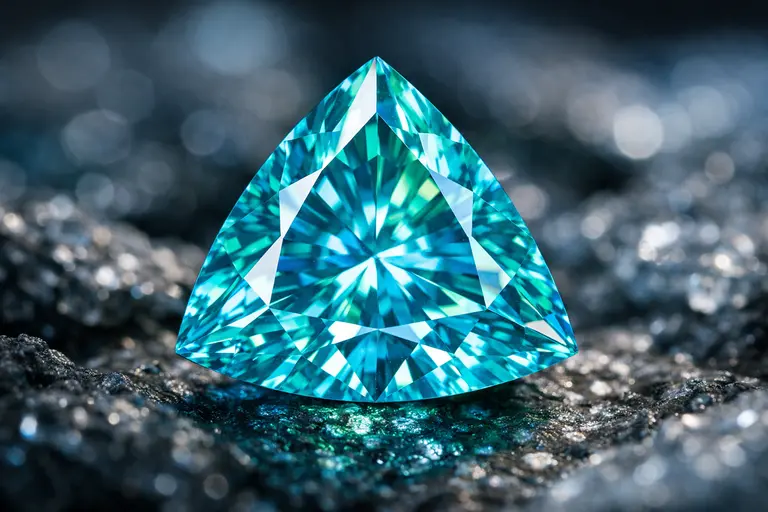
A high-resolution photograph of a vivid triangular-cut Ocean Green Diamonds specimen.

Ocean Green Diamonds Guide: Rarity, Value, and Care

Introduction Ocean Green Diamonds rank among the rarest and most mysterious gemstones on Earth. In fact, even the most experienced gemologists frequently describe them as the “unicorns” of the colored diamond world. If you have ever seen one in person—or even in a professional photograph—you already understand why they command such fascination. Their electric blue-green glow

Ocean Green Diamonds Guide: Rarity, Value, and Care Read More »

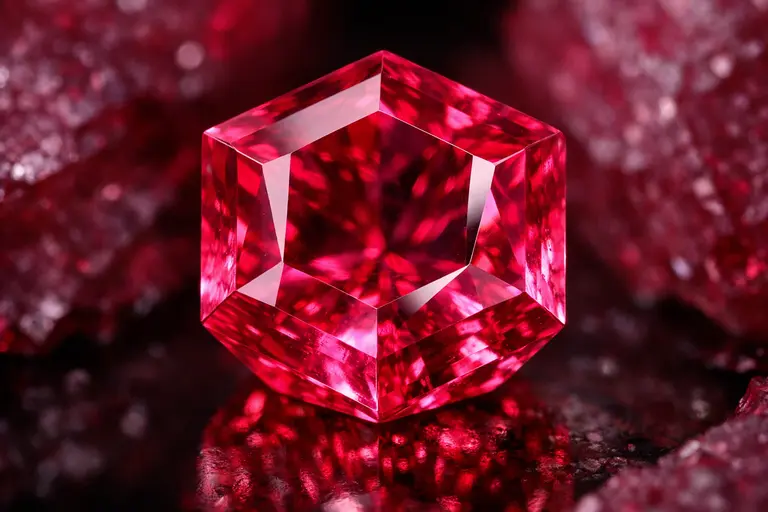
A vibrant raspberry-red faceted Red Beryl gemstone showing natural internal inclusions.

Red Beryl Guide: Earth’s Rarest Red Gemstone

Introduction to Red Beryl Most people recognize diamonds, rubies, and emeralds; however, very few individuals have ever seen a Red Beryl in person. There is a scientifically solid reason for this scarcity. Specifically, the Utah Geological Survey estimates that miners find only one Red Beryl crystal for every 150,000 gem-quality diamonds. This staggering statistic makes it one of the rarest

Red Beryl Guide: Earth’s Rarest Red Gemstone Read More »

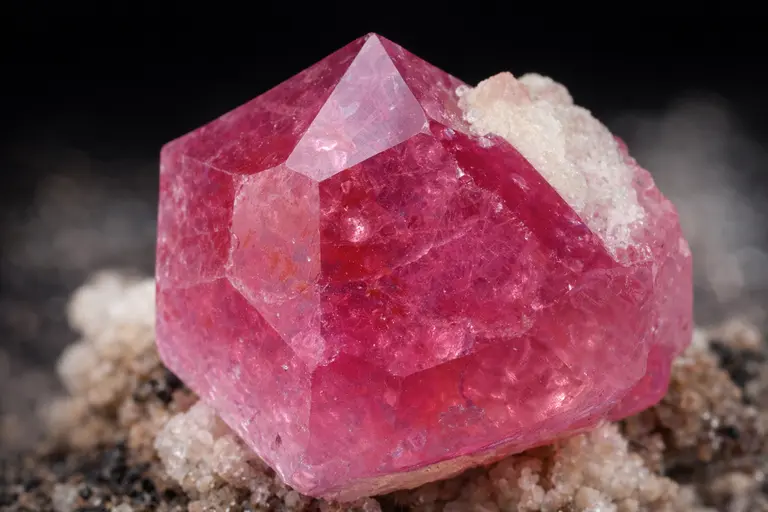
A high-clarity Pezzottaite Gemstone showing an intense raspberry-red color.

Pezzottaite Gemstone: Rare Raspberry-Red Madagascar Jewel

Introduction to the Pezzottaite Gemstone Have you ever seen a gemstone so vivid that it stops you in your tracks? The Pezzottaite Gemstone does exactly that. This rare raspberry-red to purplish-pink gem captivates collectors and jewelry lovers around the world. Although it belongs to the beryl mineral family—the same family as emerald and aquamarine—scientists classify pezzottaite as a

Pezzottaite Gemstone: Rare Raspberry-Red Madagascar Jewel Read More »

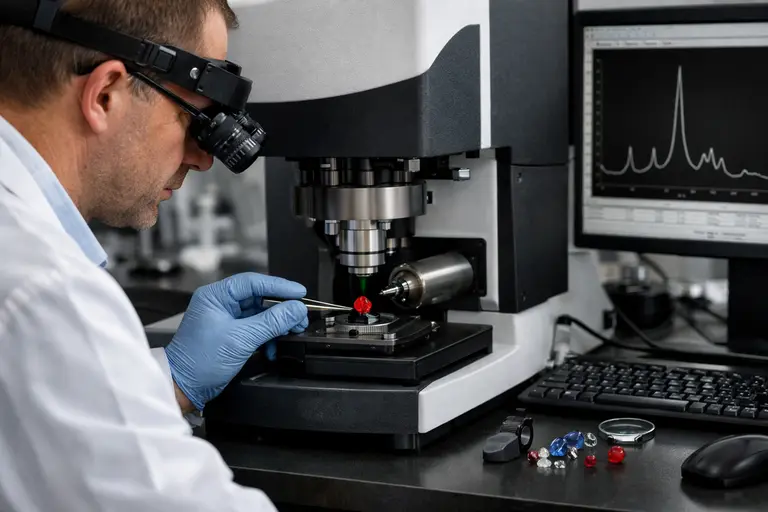
A laboratory setting showing advanced equipment used for Forensic Gemology in India.

Forensic Gemology in India: Why the System Lags

Introduction to Forensic Gemology in India India cuts, polishes, and trades more gemstones than almost any other country in the world. However, when a stolen ruby ends up in court, or an insurer questions a jewelry claim, the system often faces significant hurdles. Specifically, Forensic Gemology in India—the science of using gem testing to solve legal and

Forensic Gemology in India: Why the System Lags Read More »

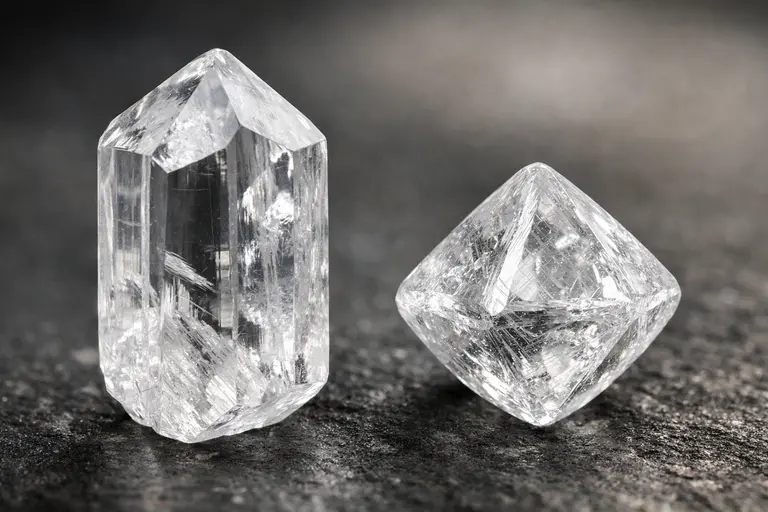
A high-clarity rough Nigerian phenakite crystal showing a diamond-like luster.

Phenakite vs Diamond: How to Identify the Deceiver

Introduction to Phenakite vs Diamond Rough Nigerian phenakite fools even the most experienced gem lovers. In fact, mineralogists originally named the stone after the Ancient Greek word phénax, meaning “deceiver.” They chose this name because the stone so closely resembles common quartz. However, modern gem dealers often use that nickname for a different reason. Specifically, rough Nigerian

Phenakite vs Diamond: How to Identify the Deceiver Read More »

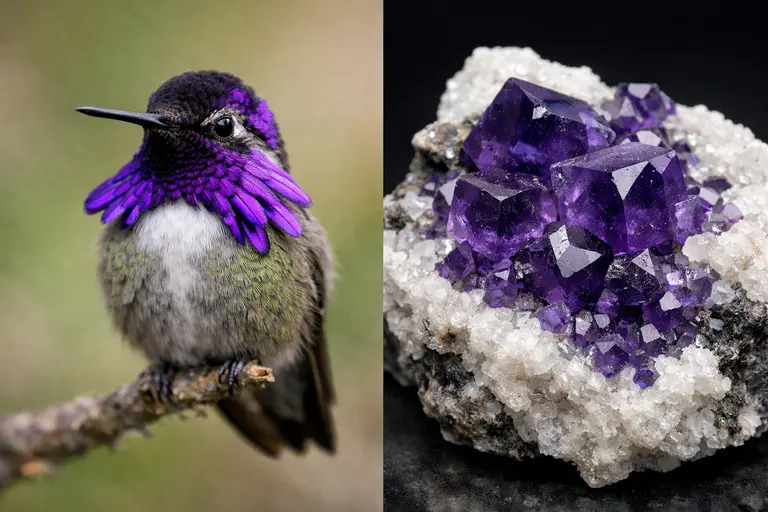
A side-by-side comparison of Purple Fluorite and Costa's Hummingbird displaying identical violet hues.

Purple Fluorite and Costa’s Hummingbird: Nature’s Match

Introduction to Purple Fluorite and Costa’s Hummingbird Have you ever spotted a color so vivid that it makes you stop and stare? The electric purple of Purple Fluorite and Costa’s Hummingbird does exactly that. Even though one soars through scorching desert skies and the other sits in a quiet collector’s display case, these two natural wonders share a

Purple Fluorite and Costa’s Hummingbird: Nature’s Match Read More »

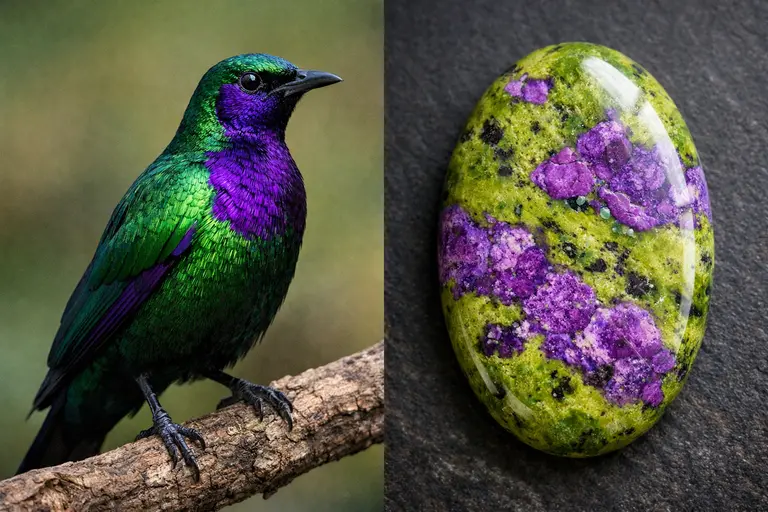
A side-by-side comparison of an emerald starling and atlantisite gemstone showing identical green and purple patterns.

Emerald Starling and Atlantisite: Nature’s Twin Colors

Introduction Nature loves to repeat its most beautiful patterns across different kingdoms. If you look closely at the emerald starling and atlantisite, you will notice something truly remarkable: they look almost identical. Both display a vivid, metallic green base covered with splashes of deep purple and violet. Whether you are a birdwatcher, a crystal lover, or

Emerald Starling and Atlantisite: Nature’s Twin Colors Read More »

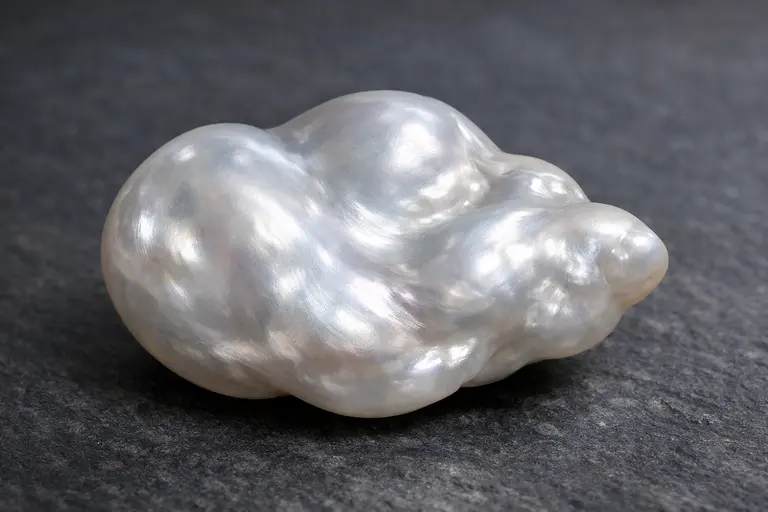
A large, white, baroque-shaped Giant Clam Pearl showing a distinct flame structure.

Giant Clam Pearls: What Every Buyer Needs to Know

Introduction Giant Clam Pearls rank among the rarest natural gems on Earth. Most people have never heard of them; yet some of the biggest pearls that explorers found came from giant clams rather than oysters. Whether you spotted one at a specialty market or found a curious listing online, you must understand what makes these gems unique. Specifically,

Giant Clam Pearls: What Every Buyer Needs to Know Read More »

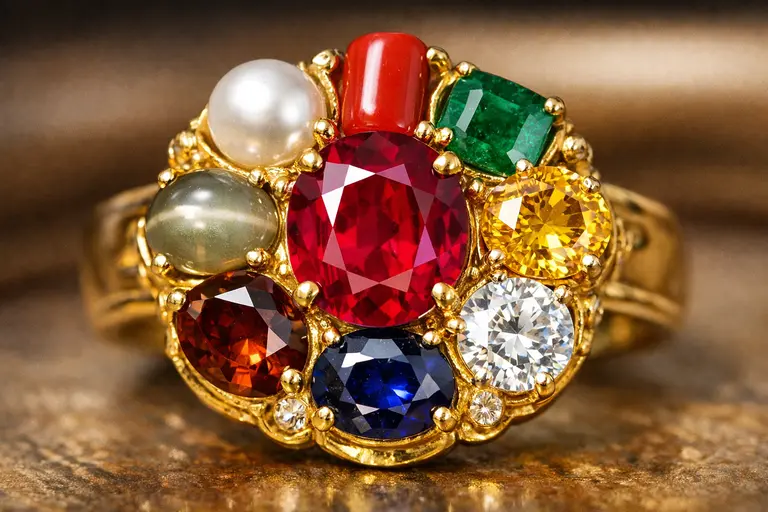
A gold Navratna ring featuring nine gems used when trusting horoscopes and numerology for spiritual guidance.

Trusting Horoscopes and Numerology: A Gemologist’s Guide

Introduction Many people wonder if trusting horoscopes and numerology is a wise decision in our modern, data-driven world. Millions of people worldwide wake up every morning and check their horoscope before making major decisions. In India, specifically, many families consult an astrologer before a wedding, a job change, or even buying a new home. But here is

Trusting Horoscopes and Numerology: A Gemologist’s Guide Read More »