Gemology

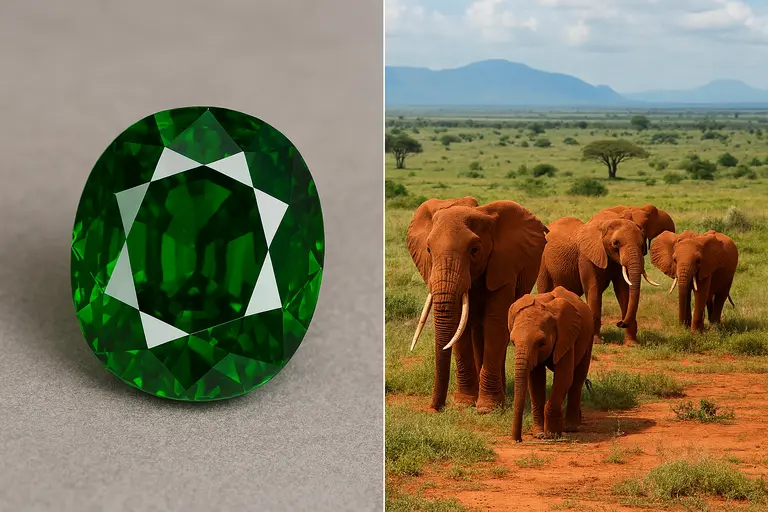
tanzanite gemstone after heat treatment showing vivid blue violet color

Why Tanzanite Is Heated — And Why It’s Perfectly Natural

Summary Almost every tanzanite on the market is heated to reveal its vivid blue-violet color. The process is permanent, stable, and globally accepted. Heating doesn’t reduce authenticity or value—instead, it it enhances the gem’s natural beauty, much like polishing perfects a diamond. Introduction When you first learn that heat treatment in tanzanite is standard, you […]

Why Tanzanite Is Heated — And Why It’s Perfectly Natural Read More »

Learn the difference between saltwater and freshwater pearls.

Saltwater vs Freshwater Pearls: Why They’re Not the Same

Most people assume all pearls are the same. However, saltwater and freshwater pearls differ significantly. Understanding these differences can save you from costly mistakes and help you choose the right pearls for your collection or jewelry. Natural Saltwater Pearls Almost all natural pearls you see today are saltwater pearls. They form in oysters along ocean

Saltwater vs Freshwater Pearls: Why They’re Not the Same Read More »

A close-up of natural pearls in various shapes—baroque, button, and drop—gleaming with subtle luster, showing their organic beauty and individuality.

Natural Pearls Shapes: Baroque, Button & Drop Explained

Summary Understanding natural pearls shapes helps buyers and collectors choose authentic, beautiful, and valuable pearls. Baroque, button, and drop pearls showcase individuality, while perfectly round pearls are rare and expensive. Introduction When buying pearls, knowing natural pearls shapes is crucial. Many buyers assume roundness equals value or beauty. However, natural pearls form organically inside mollusks,

Natural Pearls Shapes: Baroque, Button & Drop Explained Read More »

A vivid gemstone showing brilliant facets that enhance its deep color and sparkle.

Gemstone Cut Color Durability: How Cut Shapes a Gem’s Beauty

Summary:A gemstone’s color and durability depend greatly on its cut. This guide explains how gemstone cut color durability is linked through light behavior, windowing, extinction, and expert craftsmanship. Introduction When it comes to gemstones, gemstone cut color durability are inseparable. The way a gem is cut decides how it reflects light, displays color, and resists

Gemstone Cut Color Durability: How Cut Shapes a Gem’s Beauty Read More »

A rainbow-colored collection of tourmaline crystals showcasing shades of pink, green, blue, black, and brown.

Tourmaline Colours: The Full Rainbow Explained

Summary Tourmaline colours cover the full spectrum, from black Schorl and golden Dravite to rainbow Elbaite and rare colourless Achroite. Learn how to identify each type and buy wisely. Introduction Tourmaline colours are often misunderstood. Most people think of only pink or green stones. However, the tourmaline family is much more diverse, offering a full

Tourmaline Colours: The Full Rainbow Explained Read More »

A person examining a gemstone with skepticism, considering whether confirmation bias may influence their judgment.

Wishful Thinking in Gem Identification: Avoid Costly Mistakes

SummaryWishful thinking in gem identification can mislead even skilled buyers. This article explains how confirmation bias causes costly errors and offers practical steps to stay objective when testing gemstones. Introduction Wishful thinking in gem identification can quietly distort your judgment.When you want a gemstone to be valuable, your mind filters out clues that say otherwise.This

Wishful Thinking in Gem Identification: Avoid Costly Mistakes Read More »

Illustration showing common unreliable diamond tests like scratching glass, fogging, and heat, contrasted with professional diamond testers and gemologist certification.

Diamond Tests That Don’t Work: Why Common Home Methods Fail

Summary Many home diamond tests—scratching glass, fogging, or checking sparkle—don’t prove authenticity. Learn why these methods fail and discover safe, reliable ways to test your diamond. Introduction Many people rely on old diamond tests that don’t work, like scratching glass, fogging the stone, or checking sparkle. These DIY methods are misleading and can even damage

Diamond Tests That Don’t Work: Why Common Home Methods Fail Read More »

Diamond glowing blue under ultraviolet light showing fluorescence effects on color and clarity.

Diamond Fluorescence: What Buyers Need to Know

SummaryLearn about diamond fluorescence, the blue glow seen under UV light. Discover when it enhances color, reduces sparkle, and tips for buyers. IntroductionIf you’re buying a diamond, you may notice fluorescence listed on its certificate. This refers to the glow some diamonds emit under ultraviolet (UV) light. Most diamonds show a blue glow, though rare

Diamond Fluorescence: What Buyers Need to Know Read More »

Gold testing methods including touchstone acid test, XRF machine scanning gold jewelry, and hallmark verification.

The Appraiser’s Toolkit: How Your Gold is Tested

SummaryLearn how appraisers test gold purity using traditional touchstone methods and modern XRF machines. Understand hallmark verification, density checks, and how each process builds trust in the gold trade. Introduction When you buy or sell gold, you deserve full clarity.Appraisers use a combination of old and new testing methods to check purity and value.From rubbing

The Appraiser’s Toolkit: How Your Gold is Tested Read More »

The Black Prince’s “Ruby,” a large red spinel set in the British Imperial State Crown, mistaken historically for a ruby.

Red Spinel vs Ruby: Avoid Misidentification

Summary Red Spinel is often misidentified as ruby, a mistake that costs money and credibility. Learn how to distinguish them using simple tools and why honesty protects your reputation. Introduction For collectors and sellers, understanding red spinel vs ruby is crucial. Many people have mistakenly sold red spinels as rubies, including the famous Black Prince’s

Red Spinel vs Ruby: Avoid Misidentification Read More »