Introduction
Deep in the Himalayas, most people recognize Bhutan for its majestic monasteries rather than its Merlot. However, the Bhutan Wine Company is quietly changing this perception by producing world-class fine wine for the very first time. As the kingdom’s first modern producer, the Bhutan Wine Company tells a story that is unlike any other in the global industry. The founders launched this venture specifically to build a sustainable, premium industry from scratch. Consequently, they released their historic first vintage, Ser Kem, in 2024 to significant international acclaim. Before you invest in rare luxury items like these, you should also read our guide on gemstone buying mistakes to understand how quality standards apply to any high-value acquisition.
The Founding Story of the Bhutan Wine Company
The story of the Bhutan Wine Company actually began with a marathon. Specifically, in 2017, American entrepreneur Michael Juergens and brand management expert Ann Cross traveled to Bhutan to run a race. During their visit, the country’s strikingly diverse landscapes and promising soils caught their attention immediately. Remarkably, they noticed that not a single vineyard existed anywhere in the kingdom at that time.
That observation planted a creative seed. Consequently, over the next two years, Juergens and Cross developed a detailed plan to build Bhutan’s first world-class wine business. Because Bhutanese law requires foreign investors to partner with local citizens, the founders brought in Karma Choeda and Yab Dhondup Gyaltshen. Together, these four partners launched the Bhutan Wine Company with a clear mission. In addition, they intended to build a sustainable, premium wine industry rooted deeply in Bhutanese values and culture.
Exploring the Terroir of the Bhutan Wine Company
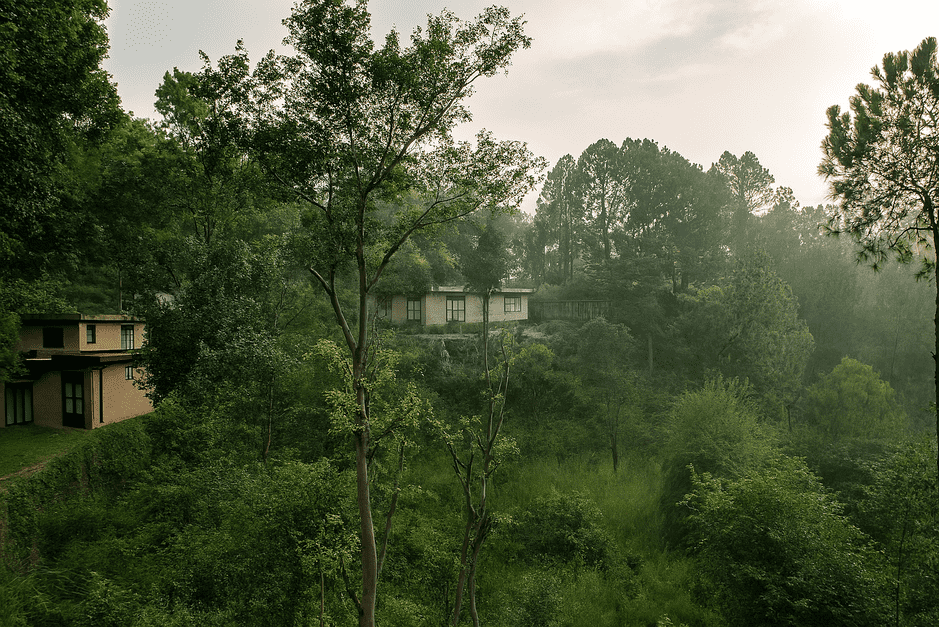
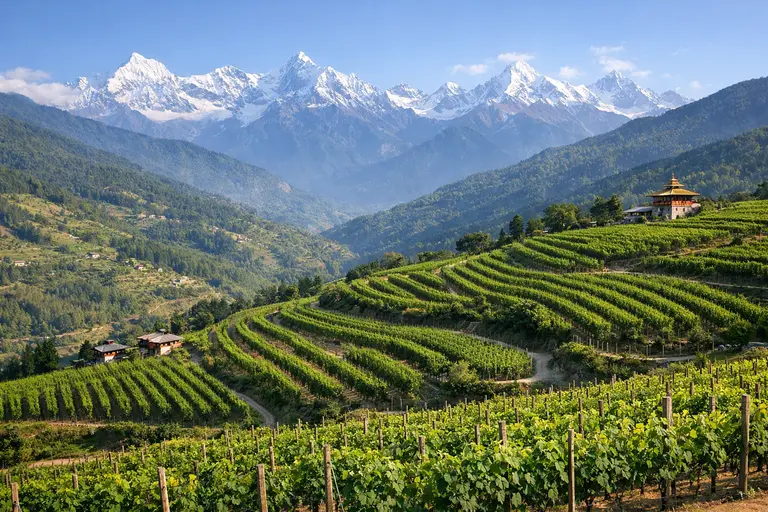
In 2019, the team planted its first vines using high-quality stock from Sunridge Nurseries in California. Today, the Bhutan Wine Company manages nine vineyards spread across roughly 200 acres of land. These sites sit at altitudes ranging dramatically from 500 feet to over 9,000 feet above sea level. Furthermore, this extreme range gives the company a radical variety of growing conditions within a single country.
Himalayan Grape Varieties
Currently, the team trials 16 different grape varieties to find the best fit for each specific altitude. On the red side, they grow Syrah, Pinot Noir, Cabernet Sauvignon, Merlot, and Malbec. On the white side, they cultivate Sauvignon Blanc, Chardonnay, Riesling, and Petit Manseng. Rather than committing early to one style, the Bhutan Wine Company actively discovers what the local terroir does best. Specifically, this trial-and-error approach represents a smart long-term strategy for any emerging wine region. Therefore, they continue to refine their selection every season.
Sustainability at the Bhutan Wine Company
Bhutan holds a remarkable global distinction because it is the world’s only carbon-negative country. This means the nation absorbs more carbon dioxide than it produces. Consequently, the Bhutan Wine Company operates entirely within this strict environmental framework. Moreover, the team follows organic farming practices that align with the national philosophy of Gross National Happiness. This guiding principle places human well-being and environmental health above pure economic growth.
However, farming in the Himalayas brings unique challenges that most winemakers never face. Beyond managing soil and water, the vineyard teams regularly deal with fascinating wildlife encounters. For example, monkeys often raid the vines, and tigers roam the surrounding hills. Bhutan’s constitution also requires the country to keep at least 60% of its land under forest cover at all times. Therefore, the company’s low-impact farming model directly supports this national commitment. By any measure, the Bhutan Wine Company runs one of the most adventurous viticulture operations on Earth.
Tasting and Visiting the Bhutan Wine Company
For travelers who want to experience these wines firsthand, the company offers two main entry points. First, Bhutan’s first dedicated wine bar sits in the Chubachhu area of Thimphu, the capital city. It provides a relaxed space where visitors can try current releases easily.
Second, the Thimphu winery sits about 50 kilometers from Paro International Airport and offers guided tours. Meanwhile, the Paro vineyard occupies a stunning location near the legendary Tiger’s Nest Monastery. This proximity makes it a natural addition to any cultural itinerary. For elite collectors, the auction house Bonhams has even offered curated trips to Bhutan hosted by the founders.
The Global Heritage of Bhutanese Wine
Every detail of the first wine, Ser Kem, reflects a deep respect for tradition. Specifically, the name translates to “alcoholic gift for the gods” in Dzongkha. Notably, the company asked Buddhist monks to bless and name the inaugural label. This decision proves that the Bhutan Wine Company is building something authentically Bhutanese rather than just importing a Western product.
Right now, the company produces extremely limited quantities for the super-premium market. Furthermore, the inaugural Ser Kem blend appeared at auction with bottles estimated between $2,000 and $4,000. In addition, a special 7.57-liter format called “The Himalayan” fetched $18,750. These record-breaking results signal serious collector interest. Consequently, the company has successfully placed Bhutan on the global fine-wine map.
FAQ: Bhutan Wine Company
What is the Bhutan Wine Company?
It is the first modern fine-wine producer in the Kingdom of Bhutan. American and Bhutanese partners founded it to create a world-class wine industry in the Himalayas.
Who are the founders?
Michael Juergens and Ann Cross co-founded the brand alongside local partners Karma Choeda and Yab Dhondup Gyaltshen after a marathon trip in 2017.
Where are the vineyards located?
The company operates nine vineyards across Bhutan. One key site sits near the famous Tiger’s Nest Monastery in Paro, while others spread across varying altitudes.
Is the wine organic?
Yes. The Bhutan Wine Company follows organic practices and operates within Bhutan’s carbon-negative environmental standards.
What does “Ser Kem” mean?
The name translates to “alcoholic gift for the gods” in the national language. Moreover, local Buddhist monks chose and blessed the name for the company.
Where can I purchase the 2024 vintage?
The Bhutan Wine Company launched its first full-scale commercial vintage (2024) in mid-2025. You can currently purchase these bottles through their official website and at selected specialty wine retailers that focus on rare Himalayan regions. Since quantities remain limited, collectors often secure their allocations early in the release cycle.
Disclaimer
This article serves general informational and educational purposes only. Wine prices, availability, and release dates may change over time. The auction estimates cited reflect historical sales and do not guarantee future pricing. Alcohol is for adults of legal drinking age only — please drink responsibly. The author and publisher have no financial relationship with the Bhutan Wine Company or any affiliated organizations.