Summary
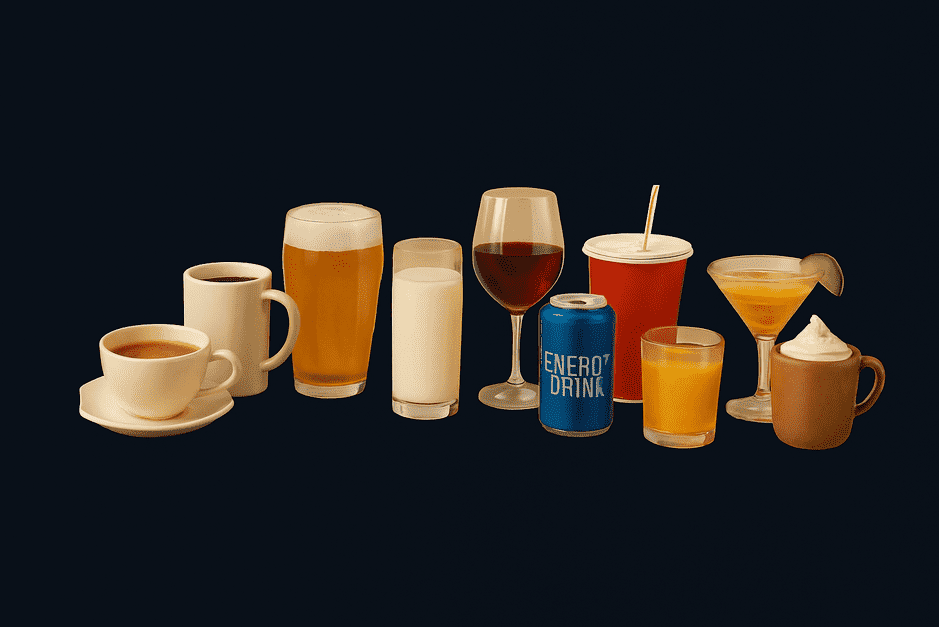
Discover the world’s most popular drinks — from tea and coffee to kombucha and bubble tea. Learn how culture, health, and sustainability shape what we drink today. Find your next favorite beverage as you explore how global tastes evolve.
Introduction
Have you ever wondered what the most popular drinks in the world are? You might be sipping one already. From a simple cup of tea to a glass of kombucha, drinks connect people, tell stories, and reflect culture. Moreover, they shape health trends and global markets.
The non-alcoholic beverage industry alone is expected to reach $2.9 trillion by 2035. Clearly, our choice of drink goes far beyond thirst—it mirrors lifestyle, wellness, and tradition.
Why Drinks Matter Globally
Drinks are more than just hydration. They bring comfort, celebrate moments, and create bonds. For instance, sharing chai in India or coffee in Italy is not just a habit—it’s a ritual.
Across cultures, beverages symbolize warmth, hospitality, and togetherness. As a result, every sip carries meaning. Additionally, they often represent a nation’s identity and way of life.
Drinks Loved Worldwide
1. Tea
The world’s most consumed drink after water. From green tea in Japan to masala chai in India, tea blends health, culture, and calm. Furthermore, tea adapts easily to regional preferences — cold, spiced, or herbal.
See Also: Understanding Beverages Culture in India
Explore More Here: Tea Association of the USA
2. Coffee
A universal favorite that fuels productivity. From Italian espresso bars to Turkish coffee houses, undoubtedly coffee sparks creativity and conversation. In addition, it represents both culture and craft.
3. Beer
Though alcoholic, beer remains among the top three global drinks. It’s deeply rooted in community, celebration, and craftsmanship. Also, it has evolved through centuries of brewing traditions.
4. Kombucha
A fermented tea once limited to health circles is now mainstream for its probiotic benefits and refreshing tang. Consequently, it attracts both wellness enthusiasts and curious newcomers.
Explore More Here: Healthline on Kombucha Benefits
5. Bubble Tea
Born in Taiwan, this sweet milk tea with chewy tapioca pearls became a global sensation. Social media helped it travel from Asia to every continent. Therefore, it symbolizes how global youth culture spreads trends quickly.
6. Juices & Smoothies
Modern consumers love nutrient-packed drinks. Therefore, natural fruit juices and green smoothies are rising stars for their energy and wellness appeal. Likewise, they fit easily into busy, health-focused lifestyles.
7. Bottled Water
Still among the largest beverage categories. Yet, sustainability is changing how people view bottled water, pushing demand for reusable options. Hence, eco-conscious brands are gaining popularity.
What Shapes Beverage Choices Today
- Health Consciousness: People prefer sugar-free, plant-based, and functional drinks.
- Sustainability: In addition, eco-friendly packaging and ethical sourcing matter more than ever.
- Premium Experience: Specialty coffee, craft beer, and artisanal teas highlight a shift toward authenticity and quality.
Explore More Here: Sustainable Packaging Trends in 2025
A Personal Takeaway for You
Next time you grab a drink, pause for a moment. Perhaps it connects you to a culture, supports your wellness, or reflects a growing global trend.
Whether it’s tea, kombucha, or a smoothie, every sip tells a story.
Ultimately, discovering new beverages means discovering yourself—one drink at a time.
FAQs
1. What is the most consumed drink in the world?
After water, tea tops the list as the most consumed beverage globally.
2. Why are functional drinks becoming popular?
Because consumers want beverages that support health goals — from gut health to immunity. Moreover, they value natural and transparent ingredients.
3. Which drink trends are growing fastest?
Sugar-free, low-calorie, and sustainable beverages lead today’s global demand. In fact, their popularity continues to rise yearly.
4. How does culture influence beverage choice?
Cultural habits often shape what people drink daily — chai in India, coffee in Italy, and matcha in Japan. Similarly, celebrations often include traditional beverages unique to each region.
Key Takeaways
- Non-alcoholic beverage market projected at $2.9 trillion by 2035.
- Functional, sugar-free, and premium drinks are reshaping global consumption.
- Tea, coffee, and beer remain the world’s favorites.