Introduction to Saree Empowerment for Women
A saree does far more than simply cover a woman’s body; it tells her personal story. Across India, millions of women wear this six-yard garment every single day to temples, offices, weddings, and even protests. Consequently, when a woman drapes a saree, she carries five thousand years of history on her shoulders. Moreover, she connects deeply with every woman who wore it before her. As a result, she walks forward with confidence, grace, and a quiet sense of authority. This article explores why the concept of Saree Empowerment for Women remains so potent in 2026, where it originated, and how today’s generation makes it their own. You should also read our guide on gemstone buying mistakes to understand how to choose the perfect jewelry to complement your traditional attire.
Historical Roots of Saree Empowerment for Women
The saree’s legacy stretches back over 5,000 years into the heart of human civilization. Specifically, archaeologists uncovered evidence of draped cloth in the Indus Valley Civilization (around 2800–1800 BCE). Figurines from sites like Mohenjo-Daro show women wrapped in long, unstitched fabric. The word “saree” itself originates from the Sanskrit word Sattika, which means a strip of cloth worn by women. Over several centuries, it evolved through Prakrit and Pali languages into “Sati” and finally “Saree.”
In those early days, women typically wore three separate pieces: a lower wrap called the antariya, a chest band called the stanapatta, and a shoulder veil called the uttariya. Later, during the Mughal era, the choli or blouse developed as modest upper-body coverage became fashionable at court. Then, during the British Raj, women integrated petticoats and structured blouses into the silhouette we recognize today. As a result, the saree did not stay frozen in time. Instead, it grew, adapted, and survived every major historical era. To explore more about the textiles of ancient India, visit the Indira Gandhi National Centre for the Arts.
Regional Styles and Saree Empowerment for Women
India’s massive diversity ensures that no two regions wear the saree in the same way. Each state brings its own unique weave, drape, and cultural meaning. Therefore, the saree becomes a living map of the subcontinent itself.
North Indian Saree Styles and Empowerment
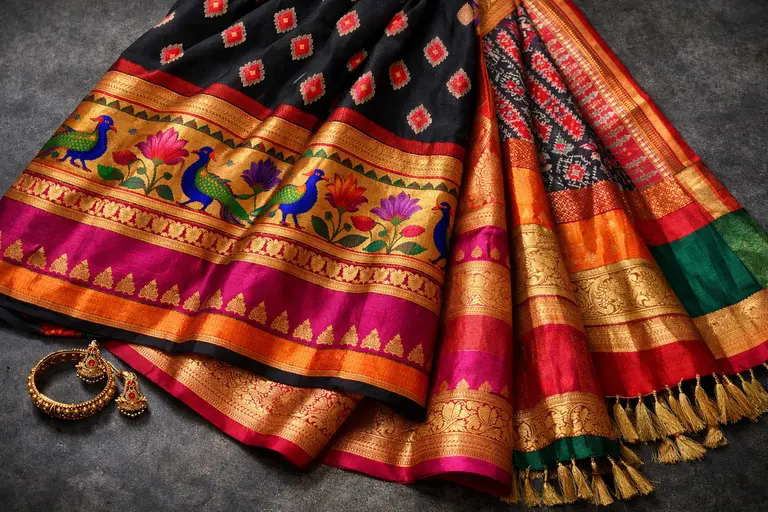
In North India, Banarasi silk sarees from Uttar Pradesh dominate wedding seasons. Weavers thread real gold and silver zari into the fabric, making every woman feel like royalty. In addition, women in Lucknow often choose Chikankari sarees, which offer a softer and more subtle elegance. Meanwhile, in Gujarat and Rajasthan, the Seedha Pallu drape keeps the fabric falling straight in front. This practical choice makes movement easier during long ceremonies and daily tasks. In this way, these styles balance beauty with functionality.
South Indian Saree Traditions for Women
South Indian women often treat the saree as sacred clothing rather than just a garment. For instance, Tamil Nadu’s Kanjeevaram silk appears at every major temple ceremony. Similarly, Karnataka’s Mysore silk offers a lighter alternative for daily use without sacrificing its characteristic shine.
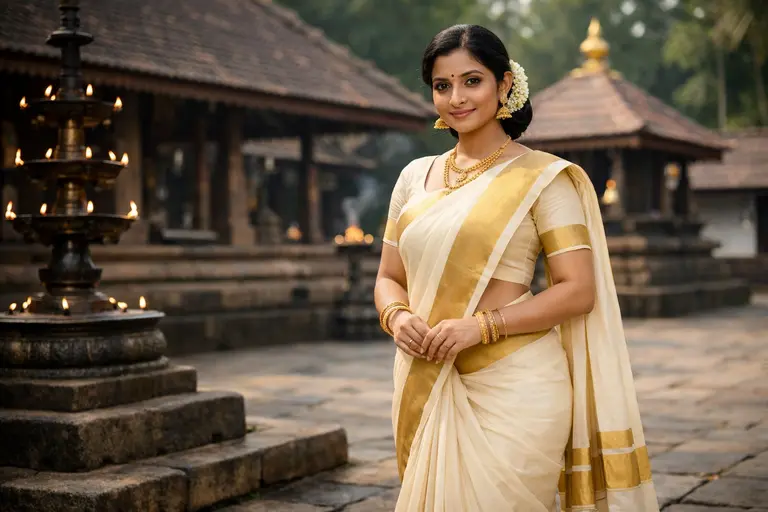
However, Kerala stands apart entirely in the world of Saree Empowerment for Women. The Kasavu saree—also called Mundu Neriyathu—consists of pure white cotton with a golden zari border. Kerala women drape the mundu low on the hips and lay the neriyathu over one shoulder, often skipping pleats entirely. As a result, this style creates a clean, flowing silhouette that moves naturally. Women wear Kasavu sarees during Onam celebrations and Thrissur Pooram festivals. Furthermore, families pass these sarees from mother to daughter for generations. You can explore authentic Kerala Kasavu sarees at Kasavu Kerala from the legendary weavers of Balaramapuram.
West and East India: Warriors and Artists
Maharashtra provides the Nauvari saree—a nine-yard drape that women tuck between their legs like a dhoti. This style originally allowed women to move freely while working in fields or fighting alongside men in battle. Even today, therefore, it represents fearlessness and strength. Furthermore, West Bengal offers the Jamdani and Tant cotton sarees that breathe well in humid weather. During Durga Puja, the red-bordered white Lal Paar Sada saree becomes a powerful symbol of the goddess’s strength.
Northeast India and Modern Saree Empowerment
Northeast women traditionally wear indigenous garments like Assam’s Mekhela Sador. However, sarees are gaining significant ground in formal settings and urban workplaces. In fact, Assam’s Muga silk, which accounts for around 90% of India’s total Muga silk production, now appears in stunning bridal sarees. Furthermore, modern designers weave tribal motifs into six-yard formats, creating something entirely new while honoring their ancestors. Consequently, the saree is becoming a proud choice for Northeast women in the professional world.
Styling Tips for Saree Empowerment for Women
Many young women love the idea of Saree Empowerment for Women, but feel unsure about the technical side of draping. Fortunately, a few simple choices make all the difference. First, you should pick lightweight fabrics like chiffon or linen. These materials work well in India’s heat and suit beginners perfectly. Second, you must prioritize handloom over machine-made fabrics. A Chanderi or Kerala Kasavu saree lasts decades and only grows more beautiful over time.
Additionally, you should experiment with modern blouses. Pairing a saree with a blazer or a structured shirt creates a sophisticated look for the office. As a result, you achieve a contemporary aesthetic without losing the saree’s classic charm. Finally, always look for Geographical Indication tags (GI). These government certifications confirm the authenticity of the weave and ensure you are supporting genuine artisans.
FAQ: Common Questions on Saree Empowerment for Women
Why do Indian women feel empowered in a saree?
It connects them to centuries of women who wore it with strength in freedom movements and in everyday life. The drape offers a unique blend of personal identity and cultural heritage.
What is the best saree for a beginner?
A lightweight cotton or a Kerala Kasavu saree works best for beginners. Specifically, these fabrics are easier to manage and feel comfortable for all-day wear.
How do I tell if a saree is authentic handloom?
You should look for the Handloom Mark or a GI tag. Authentic handloom sarees often have slight irregularities in the weave, which machines cannot replicate.
Are pre-stitched sarees a good choice?
Yes. Pre-draped sarees use real handloom fabric but make the process much faster. Consequently, they are perfect for busy professionals who want the saree look with minimal effort.
Which jewelry looks best with a saree?
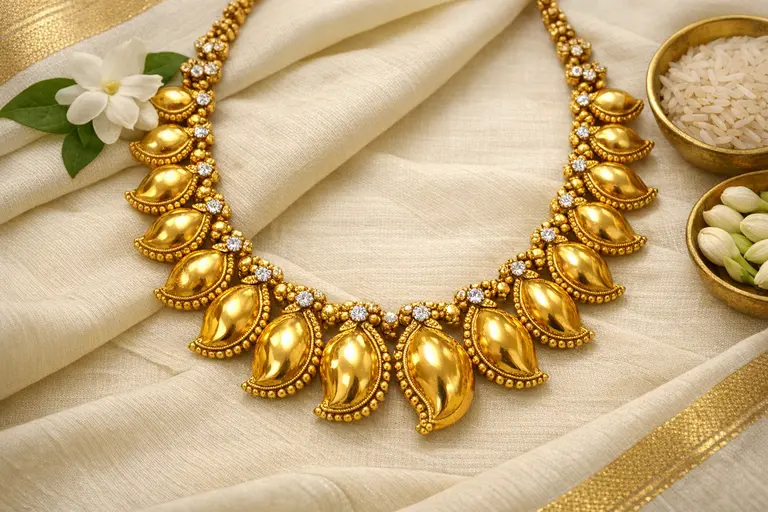
Traditional gold jewelry suits most silks, while silver or oxidized pieces complement cotton and linen sarees beautifully.
Disclaimer
This article provides general cultural information drawn from verified sources. Regional traditions vary across India. Always verify the authenticity of handloom sarees with certified sellers. We encourage readers to support ethical weavers and look for GI-tagged products. Prices and availability are subject to change.