Introduction to the Kazakhstan Jadeite Deposit
Jade has captured the hearts of jewelry lovers for thousands of years. While most people traditionally connect jadeite with Burma (Myanmar), a massive new source has emerged in Central Asia. Specifically, the Kazakhstan Jadeite Deposit at Itmurundy now ranks as one of the world’s largest known primary jadeite fields. It holds an estimated resource of over 150,000 tonnes. Furthermore, it sits strategically close to the Chinese border, making it a significant player in global trade. Whether you buy jade bangles in Kerala or shop online, this guide will help you understand this unique source. You should also read our guide on gemstone buying basics to ensure you understand how quality standards apply to large-scale mineral finds.
Ownership of the Kazakhstan Jadeite Deposit
Jade Resources Ltd currently controls the Itmurundy project and drives its industrial development. Specifically, CEO Kevin Foo leads the group’s long-term strategy to bring this material to the global stage. Additionally, the group’s trading arm, Tianshan Jade, supplies rough and processed jadeite to buyers worldwide. They provide everything from small parcels for carvers to massive blocks weighing up to 30 tonnes.
Moreover, a closely partnered blockchain platform called Jade City uses technology to tokenize these assets. Co-founded by the owners of the world’s largest jade reserve, this platform uses gamification and blockchain to make the Kazakhstan Jadeite Deposit accessible to digital investors. As a result, everyday investors can now engage with jade in digital investment spaces, not just in traditional brick-and-mortar gem markets.
Geological History of the Kazakhstan Jadeite Deposit
The Itmurundy field belongs to an ancient geological zone in central Kazakhstan. According to researchers, the jadeite formed roughly 450 to 500 million years ago during the Ordovician period. Specifically, it formed in a Pacific-type orogenic belt, which makes it one of the oldest known jadeite occurrences on Earth. To learn more about the scientific classification of these minerals, you can visit the Gemological Institute of America (GIA).
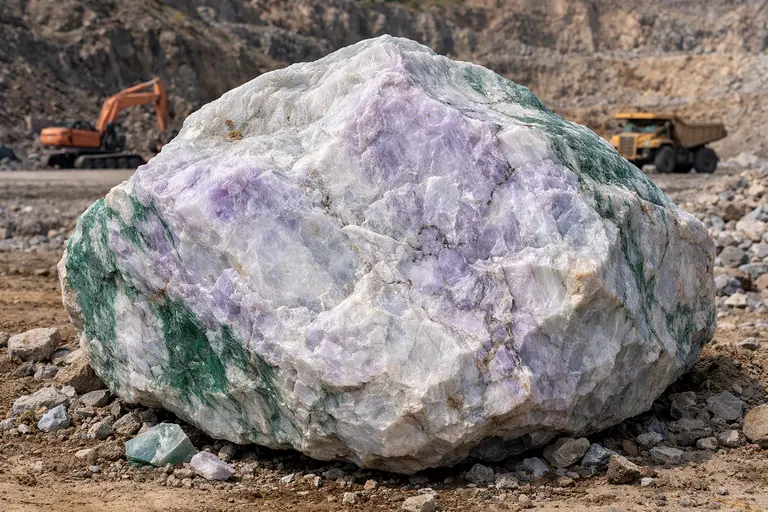
During formation, sodium- and silicon-rich fluids moved through fractures in the host rocks. As these fluids cooled, jadeite crystals grew in place—a process scientists call “P-type” precipitation. In terms of appearance, most material from the Kazakhstan Jadeite Deposit shows a coarse-grained, porcelain-like texture. It typically appears in white, gray, or lavender shades. Some green material also occurs, though it is less common than the lighter tones. This look differs from fine Burmese jadeite, which usually features smaller fibrous crystals. However, one feature makes Itmurundy material stand out: compact zones called More Transparent Domains (MTDs). These domains look clearer and more glassy than the surrounding matrix, acting as a key identifier for lab experts.
Detecting Fakes from the Kazakhstan Jadeite Deposit
Unfortunately, not all jade on the market is natural. In fact, treatments are extremely common in the modern trade. Therefore, every buyer needs to understand the specific “grades” assigned to jade.
Grading Material from the Kazakhstan Jadeite Deposit
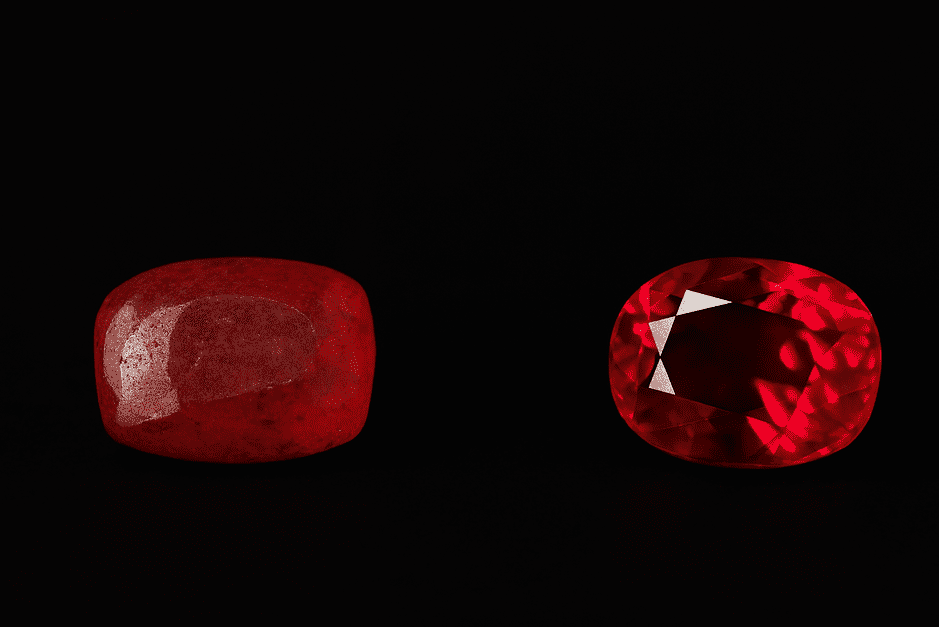
First, “A-Jade” refers to a stone that is untreated and only polished. Most material from the Kazakhstan Jadeite Deposit is marketed as A-grade. Second, “B-Jade” goes through bleaching to remove stains and polymer impregnation to fill pores. While this makes the stone look cleaner, it is no longer fully natural. Finally, “C-Jade” receives dye to create vivid green or purple colors. These dyes often fade over time and can cause durability issues. Consequently, you should never assume a piece is natural based on the seller’s word alone.
Common Imitations of the Kazakhstan Jadeite Deposit
Beyond treated jade, several imitations fill the market. For example, “Maw-sit-sit” is a green rock often sold as jadeite. Similarly, sellers often label dyed quartz as “Indian Jade” or serpentine as “Korean Jade.” None of these materials match the composition or the 6.5 to 7 Mohs hardness of true jadeite. Therefore, always request independent verification before finalizing a high-value purchase.
Jewelry Trends for the Kazakhstan Jadeite Deposit
Artisans carve Itmurundy jadeite into figurines, beads, and bangles that are suitable for everyday wear. In South Asian markets, white and lavender jade bangles pair beautifully with gold chains. Specifically, they offer a sophisticated look without reaching the extreme price points of Burmese Imperial Green stones.
Global designers also use the more translucent material from the Kazakhstan Jadeite Deposit in modern pieces. Dragon pendants and icy-style cabochons highlight the contrast between the coarse base and the glassy MTD zones. Additionally, some brands create luxury beauty tools, such as facial rollers, from this jadeite because of its naturally cool feel. As a result, Kazakhstan is positioning itself as a high-volume primary source rather than a luxury benchmark. While Myanmar still supplies the finest Imperial Green, Kazakhstan offers a more accessible and widely available option for the 99% of collectors.
FAQ: Kazakhstan Jadeite Deposit
What makes the Itmurundy deposit important?
Itmurundy holds an estimated 150,000 tonnes of jadeite. Consequently, it ranks as one of the world’s largest known primary jadeite deposits.
How does Kazakhstani jadeite differ from Burmese jadeite?
Kazakhstani jadeite is generally coarser-grained and appears in white or lavender tones. Burmese jadeite, by contrast, typically features finer crystals and higher translucency.
Is all jade from Kazakhstan natural?
While the Kazakhstan Jadeite Deposit produces high-quality natural stone, any gem can be treated. Therefore, you should always request a lab report to confirm the “A-Grade” status.
Does the “sound test” really work?
Gently tapping two jade pieces can produce a bell-like ring in natural stone. However, this test is not definitive. Modern polymers can sometimes mimic this sound, so professional testing is safer.
Where can I buy Kazakhstani jadeite?
You can find it through direct suppliers such as Tianshan Jade or specialized retailers. Furthermore, digital investors can now access it through blockchain platforms like Jade City.
Disclaimer
This article provides general educational information about the Itmurundy jadeite deposit based on publicly available scientific papers, company reports, and market descriptions as of 2026. It does not offer financial, investment, or legal advice. Because gemstone markets, mine ownership, and regulations can change at any time, always consult up-to-date sources and, when needed, seek guidance from qualified gemologists or professional advisors before making major purchases.