
Introduction
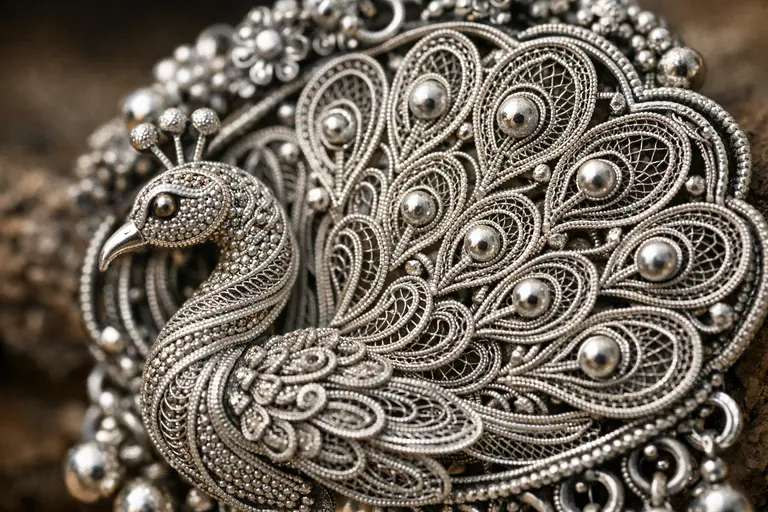
When we think of Indian jewelry, we often picture heavy gold or sparkling diamonds. However, there is a completely different aesthetic thriving on the eastern coast. Cuttack Silver Filigree from Odisha is arguably one of India’s most breathtaking traditional crafts. Locally known as Rupa Tarakasi, artisans transform pure silver into delicate, lace-like ornaments using techniques passed down through generations.
Whether you are a first-time buyer looking for a unique gift or a seasoned collector, understanding this craft helps you make smarter purchases. As a Gemologist who studies the properties of metals, I am fascinated by the “Snow Glaze” finish unique to this region. In this guide, I will walk you through the history, identification tips, common fakes, and practical buying advice for Cuttack Silver Filigree. Ultimately, by learning how to spot genuine pieces, you support the authentic artisans who keep this art alive.
Historical Roots of Cuttack Silver Filigree
To begin with, locals believe Cuttack’s silver filigree tradition stretches back to at least the 12th century. However, this date comes primarily from traditional accounts rather than independently verified historical records. What historians more confidently confirm is that the craft flourished significantly about 500 years ago. Specifically, Mughal patronage gave artisans the resources and audience to refine their skills.
Some craft historians also suggest connections between Tarakasi and similar filigree traditions found in ancient Mesopotamia and Indonesia. Ancient maritime trade routes likely carried these influences on the Odisha coastline. For centuries, the hereditary Roupyakar community (Rupa Banias) has practiced this craft. Their dedication earned Cuttack the well-deserved title of the “Silver City of India.” Most notably, in March 2024, Cuttack Rupa Tarakasi officially received a Geographical Indication (GI) Tag. This legally protects the craft’s name.
How to Identify Authentic Cuttack Silver Filigree
Because imitations flood the market, knowing how to spot the real thing is essential. Fortunately, authentic Cuttack Silver Filigree has several clear markers.
The Purity and the “Snow Glaze”
First, check the silver purity. Moreover, genuine pieces typically use 92.5% Sterling Silver, which carries a “925” stamp. Additionally, traditional pieces often use even finer silver, which gives them a distinctive “Snow Glaze” finish. As an expert, I know the secret to this finish: artisans boil the finished piece in a mixture of alum and tamarind water to remove the surface copper, leaving a brilliant, pure white silver layer.
The Structure Test
Second, examine the structure. Real filigree consists of twisted and coiled wires shaped entirely by hand—not cast or molded metal. Hold the piece up to the light. Consequently, authentic filigree has delicate negative space that allows light to pass through cleanly. If the piece looks solid, flat, or thick, factories probably machine-cast it.
The Ice Test
Finally, try a quick physical test. Genuine silver conducts heat rapidly. Place a small ice cube on the surface—it will melt noticeably fast. Compare this to the tests I outlined in my Gemstone Buying Mistakes guide.
Common Fakes of Cuttack Silver Filigree
Unfortunately, the market is full of imitations sold as “Filigree.“ Therefore, every buyer must know what to avoid.
- German Silver: Contains absolutely zero real silver. Instead, it is actually a blend of copper, zinc, and nickel.
- Silver-Plated Jewelry: Uses a base metal (brass/copper) coated with a thin silver layer. Over time, this coating flakes and peels.
- Tibetan Silver: Meanwhile, Tibetan Silver sounds exotic but is typically made from cheap alloys (tin/lead) with a matte finish.
If a price seems too good to be true for a large, intricate piece, it almost always is a fake.
Popular Cuttack Silver Filigree Designs
Cuttack Silver Filigree offers a stunning range of designs.
- Traditional Motifs: Floral patterns and geometric forms remain eternally popular. The Mayurpankhi—a peacock with open, fanned feathers—is arguably the most iconic signature of Tarakasi craftsmanship.
- Odissi Dance Jewelry: Dancers of classical Odissi use elaborate Tarakasi headpieces, necklaces, and bangles as essential costume elements.
- The Dama Chain: A uniquely Cuttack creation. Artisans weave this three-dimensional, mesh-like chain into an infinite loop. Traditionally, only women craftspeople make it. Ultimately, it represents both technical mastery and cultural heritage in a single piece.
These designs pair beautifully with other regional crafts, like the ones I discussed in Traditional Maharashtrian Jewellery.
Smart Tips for Buying Cuttack Silver Filigree
Buying authentic pieces is straightforward once you follow a few practical steps.
- Always demand the GI tag. This certification is your strongest guarantee.
- Always buy from verified sources. The Utkalika (Odisha State Co-operative Handicrafts Corporation) sources pieces directly from Cuttack artisan clusters. Brands like SilverLinings also offer authenticated products.
- Understand the price range. Genuine handcrafted bracelets typically cost between ₹2,800 and ₹15,000. Larger decorative items (like Laxmi Lotas) can range from ₹6,000 to over ₹60,000.
- Care properly. Authentic silver naturally tarnishes (turns black) when exposed to sulfur in the air. This is actually a sign of purity, not a defect. Therefore, simply clean it with a soft silver polishing cloth to restore its shine.
Conclusion: Supporting the Artisans
In summary, the 2024 GI Tag gave this 500-year-old craft a new lifeline. Ultimately, by choosing authentic Cuttack Silver Filigree over cheap factory imitations, you are keeping a community of artists employed. Whether you buy a small pendant or a large showpiece, you own a thread of Indian history.
FAQ: Cuttack Silver Filigree
Does Rupa Tarakasi mean Cuttack Silver Filigree?
“Rupa” means Silver, and “Tarakasi” refers to the wire-drawing technique used to create filigree. Thus, together, the name describes the craft perfectly.
When did Cuttack Silver Filigree receive its GI tag?
The government officially awarded the GI tag in March 2024, legally protecting the artisans of Cuttack from regional imitators.
Is German Silver a safe alternative?
No. German Silver contains no real silver and may cause skin reactions due to its high nickel content. It is a cheap industrial alloy.
How do I clean tarnished Tarakasi silver?
Use a soft, lint-free silver polishing cloth. Crucially, avoid harsh liquid chemical dips, which can get trapped in the delicate wire structures and damage the piece over time.
Where can I buy authentic Tarakasi online?
The Utkalika (Odisha State Co-operative Handicrafts Corporation) and SilverLinings are commonly referenced sources for verified GI-tagged pieces sourced directly from Cuttack artisans.
Disclaimer
I intend the information in this guide for general educational and consumer awareness purposes only. While every effort has been made to ensure accuracy, prices, vendor recommendations, and certification details are subject to change over time. Historical claims regarding the craft’s origins before the Mughal period are based on traditional accounts and craft literature, rather than independently verified academic sources. Always verify current silver market rates, GI tag status, and seller authenticity independently before making a purchase. The mention of specific brands or retailers does not constitute a formal endorsement. The author and publisher accept no liability for purchasing decisions made based on this content.