Introduction
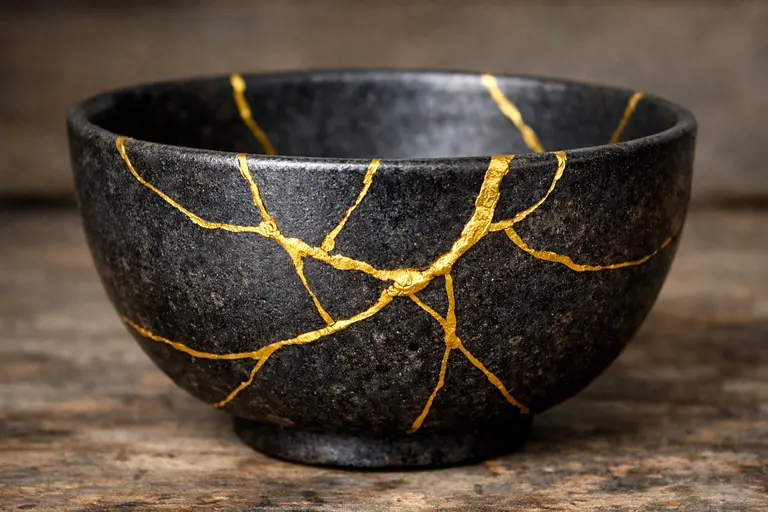
The concept of Kintsugi Art in Jewelry challenges everything we know about luxury. In the traditional gem and jewelry trade, a crack is a disaster, and we spend our lives trying to hide flaws. However, the Japanese philosophy of Wabi-Sabi—finding beauty in imperfection—flips this logic upside down. Kintsugi (金継ぎ) is a centuries-old art form that repairs broken pottery using lacquer mixed with powdered gold, silver, or platinum. Rather than hiding damage, practitioners celebrate it, transforming cracks into golden veins that tell the object’s story.
Today, this philosophy has evolved. Kintsugi Art in Jewelry is a massive trend, bridging sustainability with high-end design. As a Gemologist, I find this fascinating. It is the exact opposite of how we treat stones like Muzo vs Bahia Emeralds (where we hide cracks with oil). Kintsugi proudly displays the scar. In this guide, you will explore the origins of Kintsugi, how to identify authentic work, and its role in modern sustainable jewelry.
Origins of Kintsugi Art in Jewelry
To begin with, let’s look at history. Kintsugi traces its roots to the late 15th century during Japan’s Muromachi period. According to legend, the Japanese shogun Ashikaga Yoshimasa sent a cracked Chinese tea bowl back to China for repairs. When it returned, held together with ugly metal staples, Japanese craftsmen set out to find a more beautiful solution. Thus, Kintsugi was born.
Beyond aesthetics, the practice grew alongside the Japanese tea ceremony (Chanoyu), which prizes rustic simplicity. Furthermore, it reflects the principle of Mottainai—a deep regret over waste. This encourages people to mend cherished belongings rather than discard them. In India, we share a similar ethos. We never throw away broken gold; we melt and repair it. To explore the cultural depth of Wabi-Sabi, visit the Japan Arts Council.
Identifying Authentic Kintsugi Art in Jewelry
Not all Kintsugi repairs are equal. Understanding the difference between authentic and modern work helps buyers make informed decisions.
Authentic (Traditional) Kintsugi
Authentic work uses Urushi—a natural, highly toxic lacquer sourced from the sap of the Urushi tree. Craftsmen use it to bond broken pieces together, then apply real gold powder to finish the seams. Because Urushi requires careful curing in high humidity, the process takes several weeks to months. The result is a highly durable, food-safe repair with layered seams that carry a faint, earthy scent.
Modern (Synthetic) Kintsugi
On the other hand, modern or decorative Kintsugi uses quick-drying synthetic epoxy resin and gold-colored paint. Craftsmen can complete these repairs in just a few days. However, the result is neither food-safe nor as durable.
How to tell them apart:
- Texture: Authentic Kintsugi has raised, textured seams. Conversely, painted lines sit flat on the surface.
- Cure time: If a seller completed the repair in under ten days, it is almost certainly synthetic. For more on identifying authentic materials, read my Gemstone Buying Mistakes guide.
Kintsugi Art in Jewelry Design
Significantly, Kintsugi has evolved well beyond ceramics. Today, designers actively incorporate Kintsugi Art in Jewelry into pendants, rings, and earrings. They transform broken shards into wearable works of art.
Jewelers typically use Urushi and genuine gold leaf to repair fragments of porcelain or even precious gemstones. The contrast between the raw, broken material and the gleaming metallic seam creates a striking visual tension. More than just beautiful, these pieces carry profound symbolism. Many wearers choose this jewelry to represent personal healing and resilience—including recovery from illness. As a result, it serves as both a fashion statement and a meaningful personal narrative. You can compare this emotional connection to the spiritual use of stones in Gemstone Therapy.
Sustainability of Kintsugi Art in Jewelry
In an era of growing environmental concern, Kintsugi stands out. Many experts call it the “ultimate circular model”—a zero-waste technique that directly challenges throwaway consumer culture.
Instead of replacing a broken item, Kintsugi transforms it into something of even greater value. Additionally, many artists source their materials from kiln accidents or disaster-damaged ceramics that would otherwise end up in a landfill. By choosing Kintsugi, consumers actively invest in repair over replacement. To learn more about circular design principles, visit the Ellen MacArthur Foundation.
Brands practicing Kintsugi Art in Jewelry
Several luxury brands now integrate Kintsugi Art in Jewelry into their collections:
- Pomellato: In 2021, this luxury Italian house unveiled a collection that used Kintsugi techniques to repurpose damaged Jet (black stone) and Kogolong into finished High Jewelry.
- Milamore: This brand’s flagship collection uses 18K gold and natural diamonds, metaphorically representing the mending of the wearer’s own personal fractures.
- eclectiQuas: Specializing in upcycled China, they transform broken ceramics into pendants set in gold-plated sterling silver.
Each of these brands demonstrates that Kintsugi is not merely a craft technique—it is a design language. Read more about how brands innovate in my Cartier Business Model analysis.
Consumer Tips: Buying Kintsugi Safely
Before you purchase a piece, keep these practical tips in mind:
- Confirm the materials: Always ask the seller whether they use natural Urushi or synthetic epoxy.
- Verify food safety: If you plan to use a repaired bowl for eating, ensure that the craftsman used traditional methods. Synthetic repairs are strictly decorative.
- Examine the seams: Genuine gold powder application produces a slightly uneven, layered texture. Typically, flat, uniform lines indicate paint.
- Ask for documentation: Reputable artists provide a certificate detailing the repair date and materials used.
Conclusion: The Value of Scars
Ultimately, Kintsugi reminds us that breakage does not diminish an object’s worth. Instead, it adds a chapter to its story—one rendered in gold. In summary, whether it is a shattered tea bowl or a cracked gemstone, perfection is overrated. It is the scars that make us beautiful.
FAQ: Kintsugi Art in Jewelry
Is Kintsugi only for pottery?
No. While pottery remains the most traditional application, artists today use Kintsugi techniques on gemstones, china shards, wood, and even in modern jewelry design.
How long does authentic Kintsugi take?
Typically, a genuine repair using Urushi lacquer takes several weeks to several months, because the lacquer must cure slowly under highly controlled humidity conditions.
Is Kintsugi jewelry food-safe?
Kintsugi jewelry is not considered food-safe, regardless of materials. For bowls or cups intended for eating, only authentic Urushi-based Kintsugi is truly food-safe. Modern epoxy resins are generally not safe for ingestion.
Why is authentic Kintsugi so expensive?
The high cost reflects the skill, time, and premium materials involved. Authentic repairs require natural, toxic Urushi sap (which requires careful handling), real gold powder, and many weeks of hands-on work.
What is the difference between Kintsugi and Wabi-Sabi?
Wabi-Sabi is the broader Japanese philosophy of finding beauty in imperfection and transience. Kintsugi is one practical, physical expression of that philosophy—it applies the idea directly to the repair of broken objects.