Introduction
Weight loss drugs like Ozempic, Wegovy, and Mounjaro (known as GLP-1 agonists) are transforming lives worldwide, and India is no exception. However, when bodies change significantly, jewelry needs evolve too. In fact, this shift presents a massive GLP-1 Weight Loss Opportunity for Indian jewelers.
As we enter 2026, obesity rates are climbing, but so is the solution. According to recent pharma reports, prescriptions in India have doubled in urban hubs like Mumbai, Delhi, and Kochi over the past year. Moreover, as people shed kilos, their spending habits change dramatically. Money saved on dining out is now flowing into “Self-Reward” categories like apparel and gold. Therefore, forward-thinking jewelers can capitalize on resizing demands, milestone celebrations, and remodeling. In this article, I will explore how to turn this health trend into a thriving business strategy.
The Loose Ring and the GLP-1 Weight Loss Opportunity
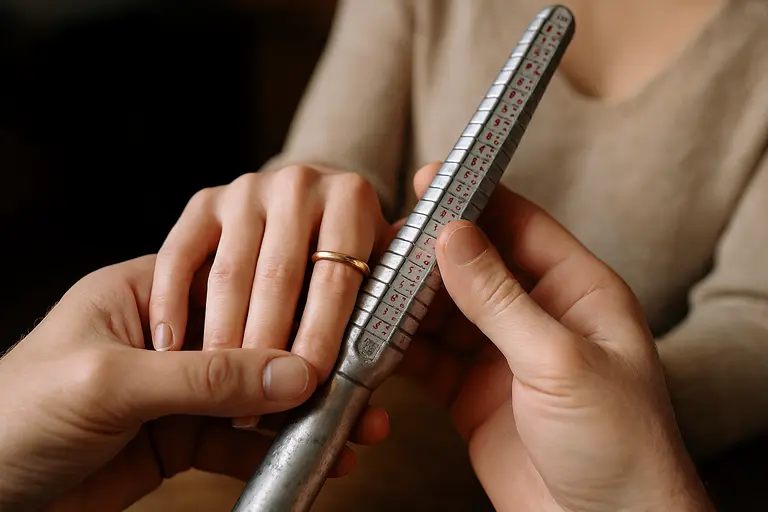
First, let’s address the immediate physical change. When a person loses 10 or 20 kilograms, their fingers shrink. For instance, a traditional heavy gold wedding band or an antique Polki Ring that once fit perfectly will now spin freely or, worse, slip off unnoticed.
As a Gem Expert, I always tell clients: “A loose ring is a lost ring.” This is particularly common with heirlooms passed down through generations. However, many customers overlook this danger until it is too late. Jewelers can bridge the gap with gentle outreach. Send a message to your database: “Has your ring size changed? Come in for a free sizing check to keep your diamond safe.” Consequently, this brings the customer back into your store. While they wait for the measurement, they browse new collections.
The Cultural Shift: From Waist Belts to Mangalsutras
In India, jewelry is not just for fingers. Significant weight loss affects how traditional Indian jewelry sits on the body.
The Mangalsutra and Chains
When the neck and collarbone become more defined, long, heavy chains often feel uncomfortable or look “too long.” Therefore, many women seek to shorten their Mangalsutra or trade in heavy chains for trendy, lightweight chokers that sit higher on the neck. This is a perfect opportunity to introduce them to Traditional Maharashtrian Jewellery styles like the Thushi, which hugs the neck.
The Oddiyanam (Waist Belt)
In the South, the Gold Waist Belt is a staple for weddings. If a bride or her mother has lost weight using GLP-1 therapy, that expensive gold belt needs drastic resizing. Unlike Western jewelry, Indian gold is an asset. We don’t throw it away; we remodel it. Thus, the remodeling bench becomes a profit center.
Milestones in the GLP-1 Weight Loss Opportunity
Next, weight loss journeys create powerful milestones—dropping 20 kg, hitting a target BMI, or completing one year of therapy. In India, where achievements are marked with rituals and gold, these moments align perfectly with purchases.
Humans instinctively commemorate success. Since GLP-1 drugs often reduce the desire for food and alcohol, consumers are no longer rewarding themselves with expensive dinners. They have “extra cash.” Therefore, position your store as a celebration partner. For example, promote “Milestone Diamond Studs” for that new, confident look. You can read about the psychology of spending in my article on Jewelry Sales Secrets.
New Styles and the GLP-1 Weight Loss Opportunity
Meanwhile, dramatic weight loss often prompts a style reckoning. That heavy, old-fashioned set from 20 years ago might feel outdated on a transformed, fitter silhouette. Suddenly, the jewelry symbolizing the “old self” no longer resonates.
Here is the strategy:
Offer complimentary “Style Consultations.” Ask: “Does your jewelry fit your new lifestyle?” Additionally, introduce trendy designs—think minimalist Rose Gold or Lab-Grown Diamond solitaires—that suit slimmer frames. As a result, customers upgrade without pressure. They trade in old gold (which you melt) for new designs (which you sell with Making Charges). It is a win-win.
Partnerships for the GLP-1 Weight Loss Opportunity
Furthermore, teaming up amplifies reach. Partner with:
- Gyms and Yoga Centers.
- Nutritionists and Dieticians.
- Med-Spas offering weight loss treatments.
Co-create “Transform & Adorn” packages: A discount on resizing for clinic members. Even simple campaigns like “Slim Body, Sparkling Baubles” work wonders in viral WhatsApp groups. Super bonus: Track these partnerships. Therefore, jewelers who integrate into these health ecosystems capture spending during peak transformation phases.
Conclusion: Seizing the GLP-1 Weight Loss Opportunity
In summary, the rise of GLP-1 Weight Loss Opportunity signals a spending shift tailor-made for Indian jewelers. From resizes to restyles, every physical change is a chance to shine. Ultimately, you are not just resizing a ring; you are validating their hard work and success. That builds loyalty that lasts a lifetime.
FAQ: GLP-1 and Jewelry Trends
Is the GLP-1 Weight Loss Opportunity growing in India?
Rapidly. Usage has doubled in metros since 2024, driven by India’s status as the “Diabetes Capital of the World” and the rising middle-class desire for fitness.
What jewelry needs resizing most after weight loss?
Rings and Bangles. Fingers and wrists lose fat quickly. A bangle that was tight might now slide off, risking loss.
Can all jewelry be resized?
No. Eternity bands (with stones all the way around) and intricate Temple Jewelry with enamel often cannot be resized. They must be remade or exchanged.
Why is the GLP-1 Weight Loss Opportunity vital?
Because Indian consumers hold their wealth in gold. When it doesn’t fit, they don’t discard it; they pay to fix it or exchange it, generating revenue for the jeweler.
Author Bio
P.J. Joseph, also known as Saju Elizamma, Gemstone & Gold Consultant serving Kerala, Tamil Nadu, and Karnataka.
Credits
This article draws on reporting originally published by Instore Magazine.
Credit to David Squires of Instore Magazine for first sharing The Great Shrink: What GLP-1 Drugs May Mean for Jewelers.
This story is adapted from Instore Magazine, a trade publication dedicated to helping America’s independent retail jewelers, with additional SEO and contextual research by Saju Elizamma.