Introduction
When exploring the jewelry map of Maharashtra, Hupari India Silver Capital stands out as a unique phenomenon. Known locally as Rajat Nagari, this vibrant town in the Kolhapur district has transformed into a global hub for exquisite silver jewelry.
For centuries, this unassuming locale has transformed into a global hub for exquisite silver jewelry. Moreover, its success stems from a unique blend of religious fervor, royal support, and innovative craftsmanship. In fact, today, approximately 75% of Hupari’s residents are engaged in the silver trade. They craft iconic items like “Seamless Payals” (anklets) and Ghungroos (dancing bells). Consequently, these products are available in markets from India to America. In this article, I will explore how this town became a legend and why its GI Tag matters for buyers.
Religious Roots: The Spark of the Silver Boom
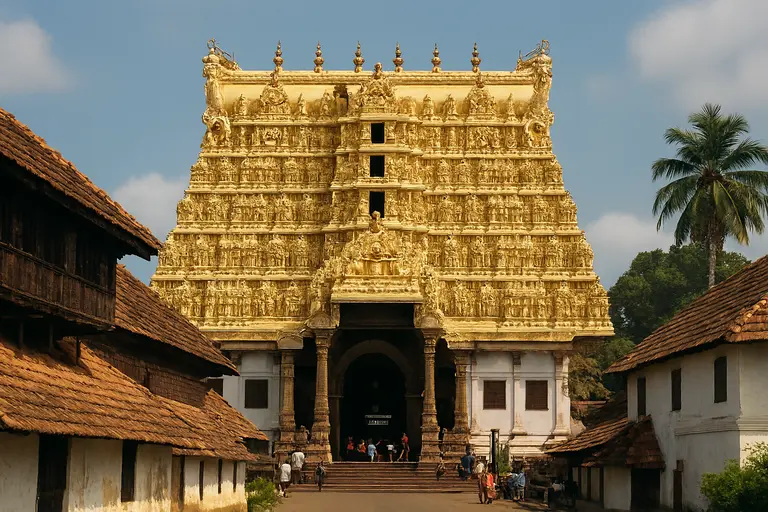
Everything began in the 1400s and 1500s with a profound religious catalyst. Specifically, the construction of the majestic Shri Aai Ambabai (Mahalaxmi) Temple in nearby Kolhapur ignited massive demand for silver ornaments. Pilgrims flocked here, seeking devotional jewelry for deities and personal adornment.
As a result, local artisans in Hupari quickly adapted. They turned their skills into a thriving economy. Furthermore, this temple’s influence extended beyond rituals. It positioned Hupari as a cultural epicenter. For instance, devotees offered intricately designed silver Thalis (plates) and Vatis (bowls). Thus, by the 16th century, Hupari had solidified its role as the silver supply chain for the region.
If you are interested in the gold traditions of this region, read my guide on Traditional Maharashtrian Jewellery.
Royal Patronage in Hupari India Silver Capital
Building on this religious base, royal patronage elevated Hupari’s industry to new heights. In particular, the legendary Chhatrapati Shahu Maharaj of Kolhapur played a pivotal role in the early 1900s. He championed local artisans, providing resources and recognition. Consequently, silver production surged.
Additionally, Shahu Maharaj’s progressive vision broke barriers. He promoted inclusive training, drawing talent from diverse backgrounds. As a result, Hupari’s workshops multiplied. This era set Hupari apart from competitors, establishing it as the “Silver Sister” to Kolhapur’s “Golden City.”
The Visionary Pivot: Gold to Silver
Fast-forward to 1904, when a strategic shift redefined the town’s trajectory. Krishnaji Ramchandra Sonar, fondly known as Potdar, led this change. Originally a goldsmith, he astutely recognized silver’s appeal to everyday Indian households. Gold, after all, remained a luxury for the elite. Therefore, Potdar pivoted to silver, crafting affordable yet elegant jewelry for the masses.
In essence, this decision democratized jewelry. It made shimmering payals accessible to the middle class. Comparing this to other regions, while Gujarati Jewellery focused on heavy tribal silver, Hupari focused on refined, delicate silver chains.
Innovation in Hupari India Silver Capital
What makes Hupari India Silver Capital truly famous today? It is the technology of the Seamless Silver Payal.
Traditionally, anklets had joints that could break or scratch the skin. However, Hupari artisans developed a technique to create silver beads and chains without visible joints. This makes the jewelry smoother, stronger, and more comfortable. Because of this uniqueness, Hupari Silver Craft received a prestigious Geographical Indication (GI) Tag on November 8, 2021.
What does this mean for you?
Just as Champagne must come from France, authentic “Hupari Silver” is now a protected brand. It authenticates the technique and protects against cheap imitations. For more on protected crafts, you can check the India GI Registry.
The Silver Zone of Hupari India Silver Capital
Organization came next. In 2001, the government allocated 200 acres for Hupari’s “Silver Zone.” This dedicated industrial park centralized operations, added infrastructure, and attracted investors. In fact, it created jobs and streamlined logistics, propelling exports to the USA and Europe.
Today, Hupari produces over 80% of India’s seamless anklets. Additionally, they are masters of Oxidized Silver. This “Antique Look” (blackened silver) is a massive fashion trend in 2026, popular among Gen Z for its bohemian vibe. You can read about the jewelry habits of the younger generation in my post on North vs South Indian Jewelry.
Shopping in Hupari India Silver Capital
If you visit the Hupari India Silver Capital, or buy online, keep these tips in mind:
- Look for the Hallmark: Even for silver, insist on BIS Hallmarking (usually 925 Sterling Silver).
- Check the GI Label: If buying a seamless Payal, ask if it is GI certified Hupari craft.
- Oxidized vs. Dirty: Real oxidized silver has a uniform, deliberate dark finish. It is not just tarnished metal.
For general advice on buying metals, check my Jewelry Sales Secrets.
Conclusion: The Silver Lining
Ultimately, Hupari is a shining example of how a small town can dominate a global niche. From the pilgrims of Ambabai to the fashionistas of Mumbai, Hupari adorns the feet of India. It proves that you don’t need Gold to sparkle; sometimes, Silver shines just as bright.
FAQ: Hupari Silver
What makes Hupari India Silver Capital unique?
Hupari silver is famous for its Seamless Payals (anklets without rough joints) and Ghungroos. It combines traditional hand-crafting with modern casting, earning a GI Tag for authenticity.
When did Hupari become India’s Silver Capital?
The title solidified post-1904, thanks to Krishnaji Potdar’s pivot from gold to silver, but the roots go back to the 16th-century Ambabai Temple demand.
Can tourists visit Hupari’s Silver Zone?
Yes. The 200-acre Silver Zone welcomes visitors. You can see the workshops and buy directly from artisans at wholesale prices.
How does Hupari silver compare to gold jewelry?
Silver is more affordable and versatile for daily wear (especially for anklets, where gold is culturally avoided). Gold is better for high-value investment.
What is “Rajat Nagari”?
“Rajat” means Silver and “Nagari” means City. It is the Marathi nickname for Hupari, honoring its status as the Hupari India Silver Capital.
Author Bio
P.J. Joseph, also known as Saju Elizamma, Gemstone & Gold Consultant serving Kerala, Tamil Nadu, and Karnataka.