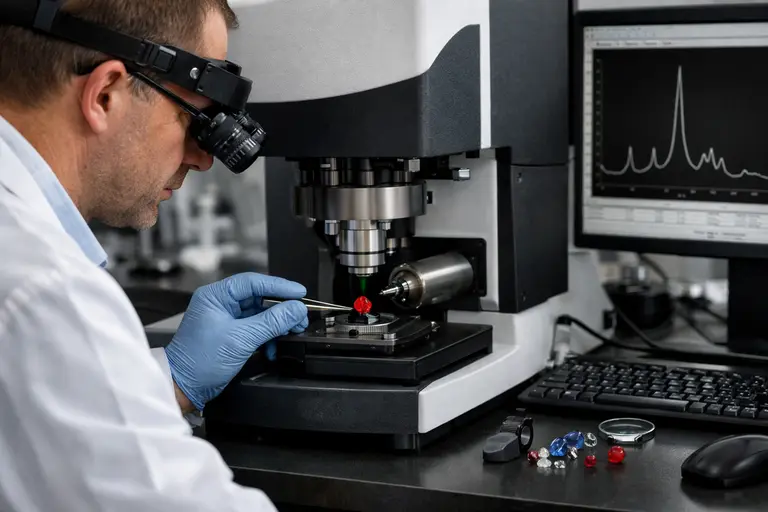
gemstone testing

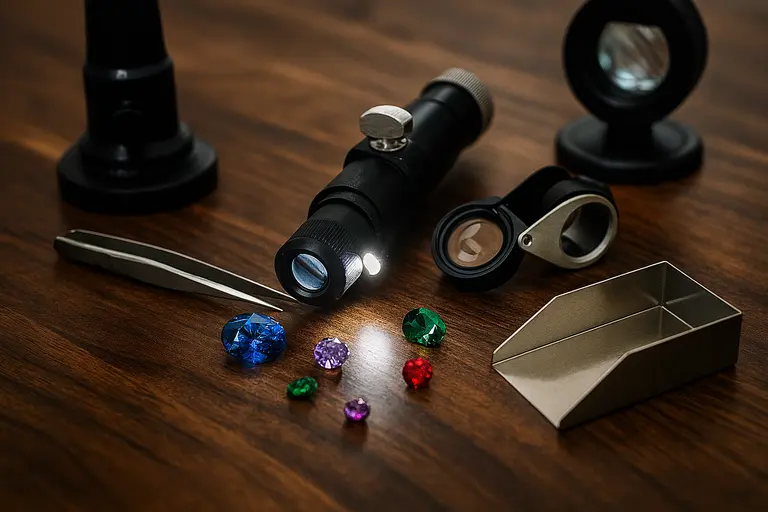
A laboratory setting showing advanced equipment used for Forensic Gemology in India.

Forensic Gemology in India: Why the System Lags

Introduction to Forensic Gemology in India India cuts, polishes, and trades more gemstones than almost any other country in the world. However, when a stolen ruby ends up in court, or an insurer questions a jewelry claim, the system often faces significant hurdles. Specifically, Forensic Gemology in India—the science of using gem testing to solve legal and […]

Forensic Gemology in India: Why the System Lags Read More »

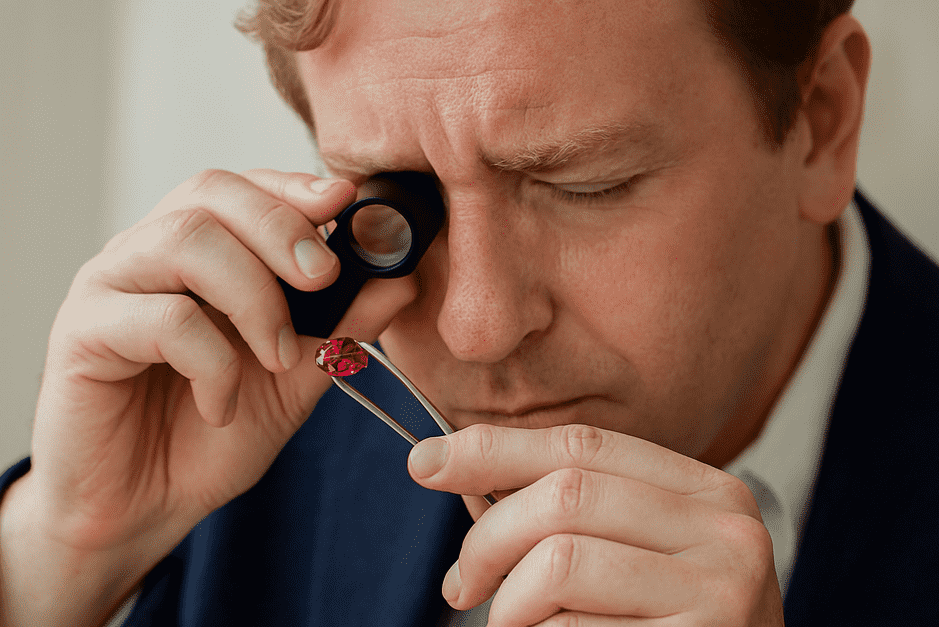
Gemology guide showing a gemologist using a loupe and tweezers to examine a colored gemstone.

Gemology Guide: A Complete Overview

Summary This gemology guide explains how to identify, grade, and value gemstones using scientific methods. You learn how gems form, how treatments affect value, and how synthetics enter the market. The guide covers essential tools, diamond and colored stone grading, and market behavior. You also explore career paths, education programs, and opportunities in labs, retail,

Gemology Guide: A Complete Overview Read More »

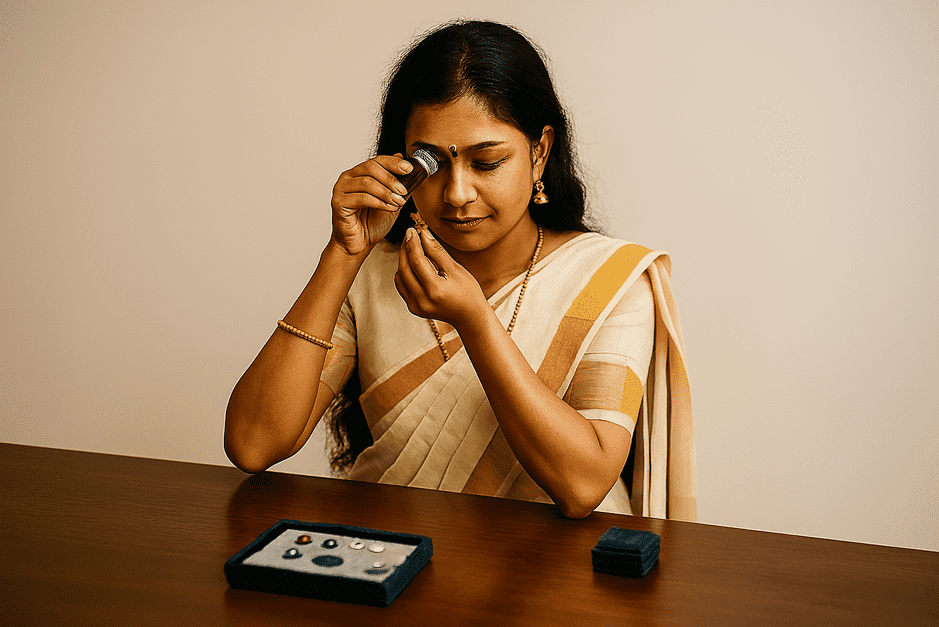
gem identification tools arranged on a gemologist’s table

Gem Identification Methodology Made Simple

Summary This guide gives you a clear gem identification methodology you can use with any gemstone. You move from visual checks to optical tools, structural tests, and density clues. Each step adds direction, supports your judgement, and leads you to a confident identity. Introduction You follow a gem identification methodology to achieve consistent results. To

Gem Identification Methodology Made Simple Read More »

Wishful thinking in gem identification leading to costly mistakes

Wishful Thinking in Gem Identification: Avoiding Costly Mistakes

Introduction Wishful thinking in gem identification is one of the most dangerous traps in gemology. When you want a stone to be valuable, confirmation bias can blind you to evidence that proves otherwise. This guide explains how to avoid the costly mistakes that come from desire overriding discipline. Is Wishful Thinking the Most Dangerous Trap

Wishful Thinking in Gem Identification: Avoiding Costly Mistakes Read More »

A gemologist examining a gemstone under a microscope, showing the importance of professional testing.

Knowing When You Don’t Know: Key Gemologist Skill

Summary In gemology, the wisest skill is humility. Knowing When You Don’t Know protects credibility, builds client trust, and keeps your science sharp. Introduction After 40 years in gemology, I’ve learned this truth: Knowing When You Don’t Know is your strongest professional skill.It’s not about memorizing data or mastering instruments—it’s about knowing your limits and

Knowing When You Don’t Know: Key Gemologist Skill Read More »

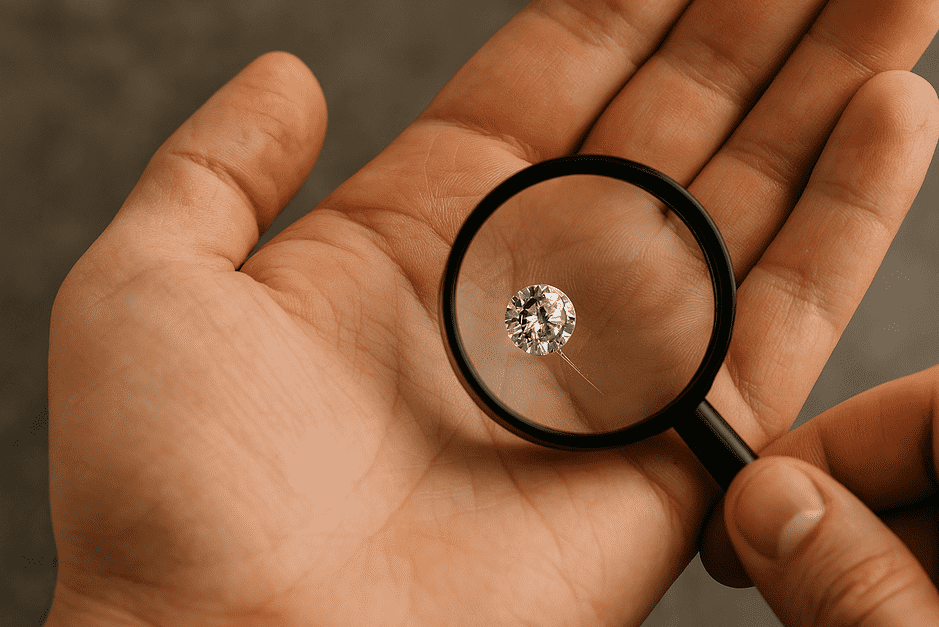
A person examining a gemstone with skepticism, considering whether confirmation bias may influence their judgment.

Wishful Thinking in Gem Identification: Avoid Costly Mistakes

SummaryWishful thinking in gem identification can mislead even skilled buyers. This article explains how confirmation bias causes costly errors and offers practical steps to stay objective when testing gemstones. Introduction Wishful thinking in gem identification can quietly distort your judgment.When you want a gemstone to be valuable, your mind filters out clues that say otherwise.This

Wishful Thinking in Gem Identification: Avoid Costly Mistakes Read More »

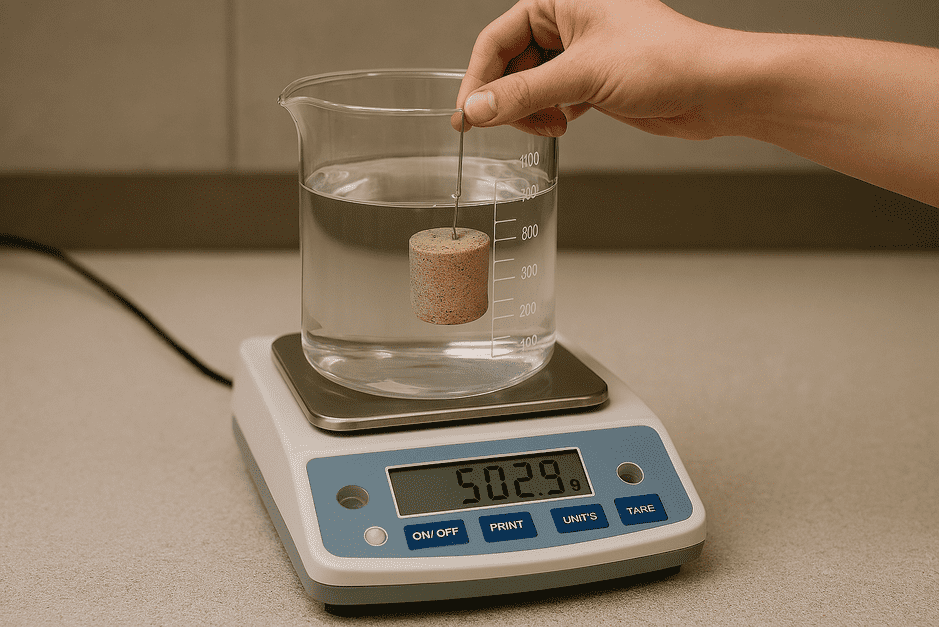
Modern single-pan electronic balance setup for hydrostatic weighing of gemstones using a wire cage and water beaker.

Hydrostatic Weighing with a Modern Electronic Balance

SummaryLearn how to measure gemstone specific gravity using a modern single-pan electronic balance. This simple hydrostatic weighing method ensures fast, accurate results for stones under 3 carats using distilled water, a wire cage, and a lightweight beaker. Introduction Hydrostatic weighing is one of the most reliable methods to measure the specific gravity (SG) of gemstones.

Hydrostatic Weighing with a Modern Electronic Balance Read More »

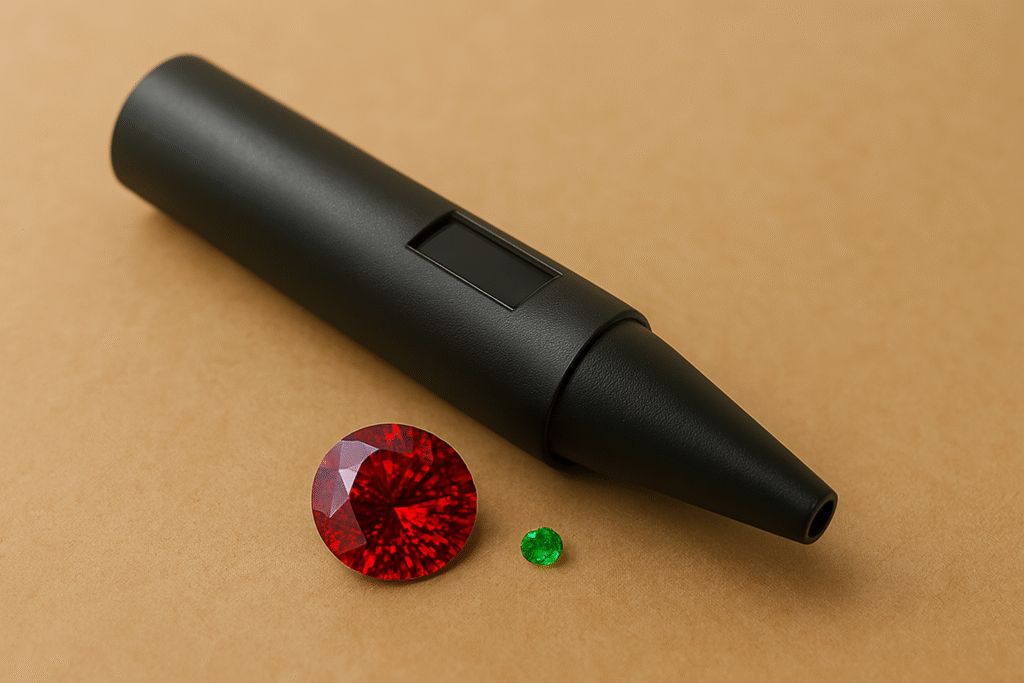
How to Use a Spectroscope in Gemology

Summary The spectroscope helps gemologists identify gemstones by analyzing how they absorb light.This tool separates stones like ruby, spinel, garnet, and jadeite through unique absorption spectra.Understanding these spectral lines makes gemstone identification faster, more reliable, and scientific. Learn how to use a spectroscope in gemology. Discover how this simple tool separates rubies, garnets, spinels, and

How to Use a Spectroscope in Gemology Read More »

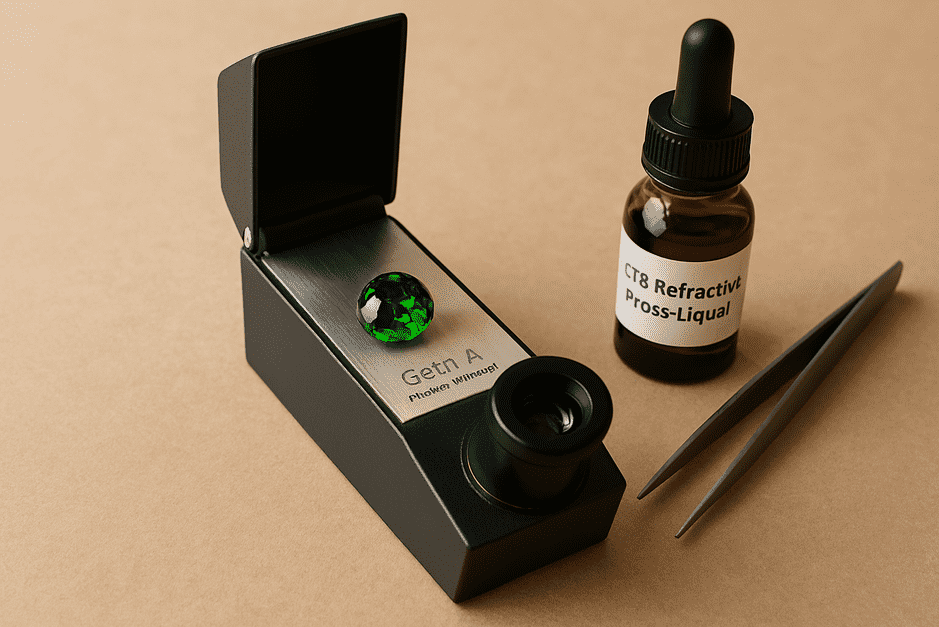
Gemologist using a refractometer to measure the refractive index of a gemstone placed table-down with contact liquid.

Refractometer in Gemology: A Simple Guide to R.I. Measurement

Summary A refractometer measures a gemstone’s refractive index using total internal reflection. It’s a quick, non-destructive, and accurate test in gemology. You’ll need a clean surface, contact liquid, and proper setup for reliable results. Flat surfaces reveal optic properties; curved surfaces provide mean R.I. values. Introduction A refractometer is one of the most important tools

Refractometer in Gemology: A Simple Guide to R.I. Measurement Read More »

Understanding the Gemological Microscope: A Closer Look

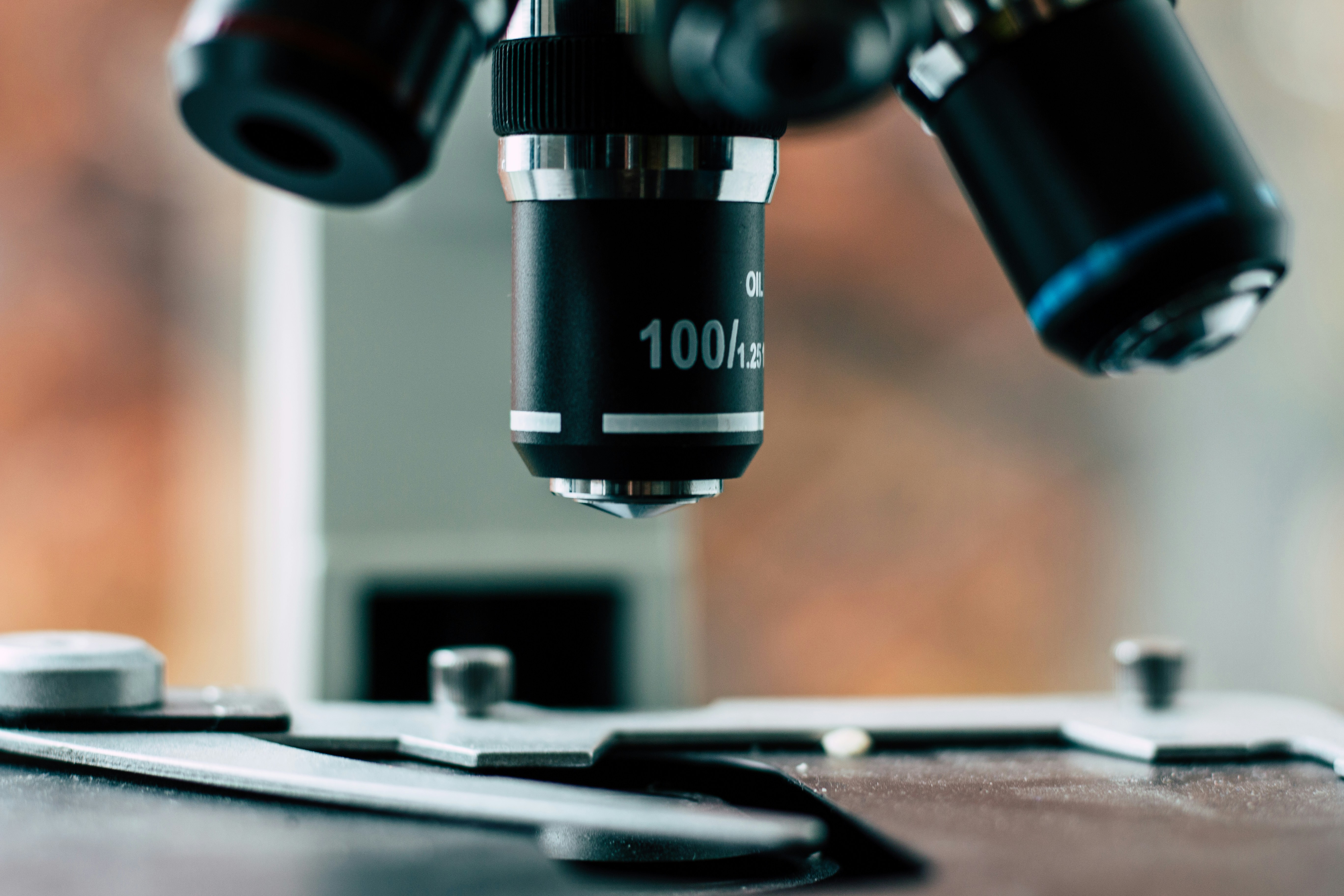
Understanding the Gemological Microscope: A Closer Look

SummaryDiscover how a gemological microscope works and why it is essential for gemstone analysis. Learn about objective and ocular lenses, magnification calculations, and how to spot inclusions, cuts, and surface features. Perfect for beginners and gem enthusiasts. Introduction to the Gemological Microscope A gemological microscope is one of the most important tools for studying gemstones.

Understanding the Gemological Microscope: A Closer Look Read More »